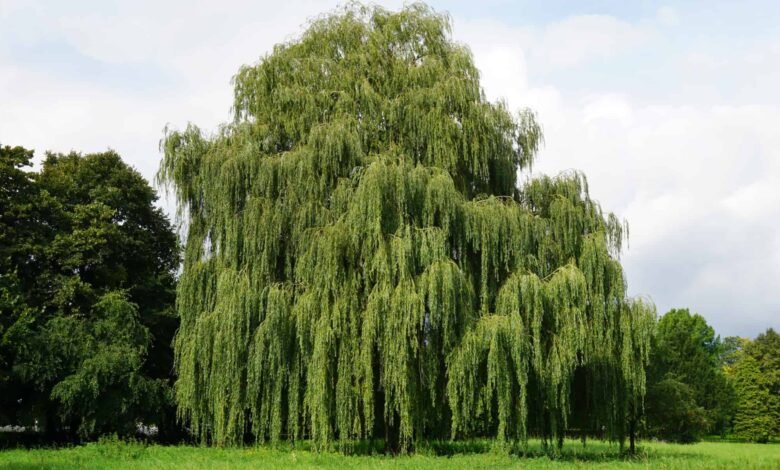
The Weeping Willow is one of the most recognizable and admired trees in the world. Known for its graceful, cascading branches and elegant appearance, this tree has captivated gardeners, landscapers, and nature enthusiasts for centuries. Its distinctive silhouette creates a dramatic visual effect that can transform ordinary outdoor spaces into breathtaking landscapes. Whether standing beside a quiet pond or serving as the centerpiece of a large garden, the Weeping Willow brings beauty, tranquility, and charm wherever it grows.
Beyond its ornamental appeal, the Weeping Willow offers numerous practical benefits. It provides cooling shade, supports local wildlife, and helps stabilize soil in areas prone to erosion. Because of its rapid growth rate, it is often chosen by homeowners and landscape designers who want to establish mature-looking landscapes in a relatively short period. Its adaptability and impressive size make it one of the most popular ornamental trees across many regions.
This comprehensive guide explores everything you need to know about the Weeping Willow. From its history and characteristics to planting techniques, maintenance requirements, landscaping uses, and common problems, this article provides valuable information for anyone interested in growing or learning about this iconic tree.
Understanding the Weeping Willow Tree
The Weeping Willow, scientifically classified within the willow family, is famous for its long, drooping branches that create a flowing, curtain-like appearance. These elegant branches sway gracefully in the wind, giving the tree a peaceful and almost magical presence. The tree can grow to impressive heights, often reaching between 30 and 50 feet tall, with a similarly broad canopy spread.
Originally native to regions of Asia, the Weeping Willow has become widely cultivated throughout Europe, North America, and many other parts of the world. Over time, it has become deeply embedded in cultural traditions, literature, and art. The tree is often associated with reflection, remembrance, and emotional depth due to its distinctive appearance and serene presence.
One of the most notable characteristics of the Weeping Willow is its rapid growth rate. Under ideal conditions, young trees can grow several feet per year. This fast development makes it an attractive option for property owners seeking quick shade and landscape enhancement. Its narrow leaves, flexible branches, and textured bark contribute to its unique aesthetic appeal throughout the year.
Seasonal changes also add to the tree’s charm. During spring and summer, the lush green foliage creates a refreshing canopy. In autumn, the leaves turn golden before falling, revealing the tree’s dramatic branch structure during winter. These seasonal transformations ensure year-round visual interest.
Benefits of Growing a Weeping Willow
The Weeping Willow offers a wide range of benefits that extend beyond its striking beauty. One of its most significant advantages is its ability to serve as a focal point within landscape designs. Few trees can match the dramatic visual impact created by its cascading branches and expansive canopy. Whether planted in residential gardens, public parks, or large estates, it instantly attracts attention and enhances the overall aesthetic value of outdoor spaces.
Environmental benefits are equally impressive. The tree provides substantial shade, helping reduce temperatures in surrounding areas during hot summer months. This cooling effect can improve outdoor comfort and even reduce energy costs for nearby buildings. Additionally, Weeping Willows play a role in supporting local ecosystems by providing shelter and nesting opportunities for birds and small wildlife.
Another important benefit is erosion control. The tree’s extensive root system helps stabilize soil, particularly near streams, ponds, and lakes. This makes it a popular choice for waterfront properties where soil movement may be a concern. In addition, its roots can help absorb excess water, contributing to improved drainage in certain environments.
The Weeping Willow also carries symbolic significance. Throughout history, it has appeared in literature, paintings, and cultural traditions around the world. Often representing reflection, resilience, peace, and remembrance, the tree holds a special place in human imagination. Its beauty and symbolism make it both a practical and emotionally meaningful addition to landscapes.
Ideal Growing Conditions for Weeping Willow
Successfully growing a Weeping Willow begins with understanding its environmental preferences. This tree thrives in temperate climates and performs best in regions that experience moderate to high moisture levels. Although it can tolerate a range of weather conditions, it generally prefers areas with adequate rainfall and access to consistent water sources.
Soil quality is another important factor. Weeping Willows adapt to various soil types, including sandy, loamy, and clay soils. However, they perform best in moist, well-drained environments. Before planting, gardeners should prepare the soil by removing weeds, improving drainage if necessary, and incorporating organic matter to support healthy root development.
Sunlight plays a critical role in the tree’s growth and appearance. Weeping Willows require full sun exposure, typically at least six hours of direct sunlight per day. Adequate sunlight encourages vigorous growth, dense foliage, and strong branch development. Trees planted in shaded locations may experience slower growth and reduced visual appeal.
Choosing the correct planting location is especially important because of the tree’s aggressive root system. It should be planted well away from foundations, underground pipes, septic systems, and paved surfaces. Providing sufficient space allows the tree to grow freely while minimizing the risk of root-related damage in the future.
How to Plant and Care for a Weeping Willow
Planting a Weeping Willow begins with selecting a healthy sapling from a reputable nursery. Look for trees with strong stems, vibrant leaves, and well-developed root systems. Avoid saplings that show signs of disease, damage, or poor growth, as these issues may affect long-term health and performance.
When planting, dig a hole approximately twice as wide as the root ball and slightly deeper than its height. Position the tree carefully, ensuring that the root flare remains slightly above ground level. Backfill the hole with soil, gently firming it around the roots to eliminate air pockets. Thorough watering immediately after planting helps establish strong root contact with the surrounding soil.
Regular watering is essential during the first few years of growth. Young trees require consistent moisture to develop healthy root systems. Applying mulch around the base helps retain soil moisture, regulate temperature, and suppress weed growth. However, mulch should not directly touch the trunk, as excessive moisture can encourage disease.
Pruning is another important aspect of maintenance. Removing damaged, dead, or crossing branches improves tree health and appearance. Annual inspections help identify potential problems before they become serious. Fertilization may also support growth, particularly in nutrient-poor soils. With proper care, a Weeping Willow can remain healthy and beautiful for decades.
Common Problems and Landscaping Uses

Despite its many advantages, the Weeping Willow can face several challenges. Common diseases include willow blight, root rot, and leaf spot infections. These issues are often linked to excessive moisture, poor air circulation, or environmental stress. Regular monitoring and proper cultural practices help reduce disease risk.
Various pests may also affect the tree, including aphids, borers, and caterpillars. While minor infestations are usually manageable, severe pest problems can weaken the tree and affect its appearance. Early detection and appropriate treatment methods are essential for maintaining tree health.
From a landscaping perspective, few trees offer as much versatility. Weeping Willows are frequently planted near ponds, lakes, and streams where their reflection enhances the beauty of the water. Their dramatic form creates stunning focal points and contributes to peaceful, naturalistic settings.
Landscape designers often pair Weeping Willows with flowering shrubs, ornamental grasses, and aquatic plants to create visually balanced environments. Whether used in large residential gardens or expansive public parks, the tree’s graceful structure adds character, depth, and timeless beauty to outdoor spaces.
Conclusion
The Weeping Willow remains one of the most beloved ornamental trees in the world. Its elegant appearance, rapid growth, environmental benefits, and rich cultural symbolism make it a valuable addition to many landscapes. Whether planted as a centerpiece, shade tree, or erosion-control solution, it offers both beauty and functionality.
Successful cultivation depends on providing suitable growing conditions, including adequate sunlight, moisture, and space for root development. Regular maintenance such as watering, pruning, and monitoring for pests ensures long-term health and vitality.
For gardeners, homeowners, and landscape professionals seeking a tree that combines dramatic beauty with practical benefits, the Weeping Willow is an outstanding choice. Its graceful branches, soothing presence, and lasting appeal continue to make it one of the most admired trees in gardens and parks around the world.
FAQs
What is a Weeping Willow tree?
A Weeping Willow is a fast-growing ornamental tree known for its long, drooping branches and graceful appearance.
How fast does a Weeping Willow grow?
Under ideal conditions, it can grow several feet per year, making it one of the fastest-growing landscape trees.
How long does a Weeping Willow live?
Most Weeping Willows live between 30 and 50 years, though some can survive longer with excellent care.
Where should a Weeping Willow be planted?
It should be planted in a sunny location with moist soil and plenty of space away from structures and underground utilities.
Does a Weeping Willow need a lot of water?
Yes, the tree prefers consistently moist soil and performs best near water sources or in areas with adequate rainfall.
Are Weeping Willow roots invasive?
The roots are aggressive and can potentially damage pipes, septic systems, and foundations if planted too close.
When should a Weeping Willow be pruned?
Late winter or early spring is generally the best time for pruning.
What are the main benefits of planting a Weeping Willow?
Benefits include rapid growth, shade production, erosion control, wildlife support, and exceptional ornamental value.
You May Also Read: Eloise Milburn