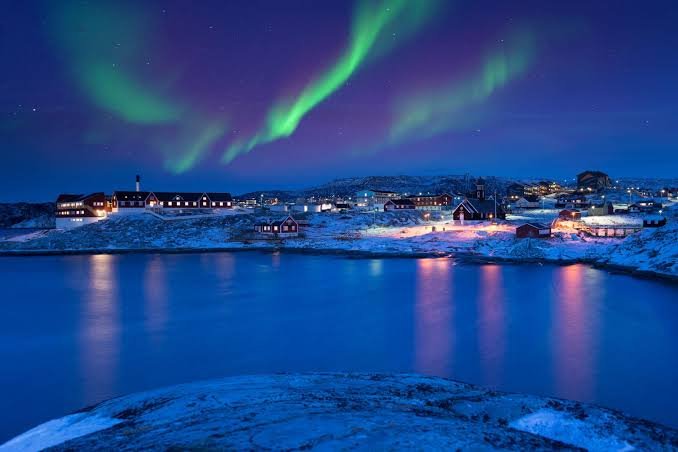
The best places to see northern lights attract millions of travellers every year, offering one of nature’s most spectacular displays. The Aurora Borealis paints the night sky with breathtaking shades of green, purple, pink, and blue, creating an unforgettable experience for anyone lucky enough to witness it. Whether you dream of exploring the Arctic wilderness or hope to catch the lights closer to home in the UK, careful planning can greatly improve your chances.
This guide explores the best places to see northern lights, the ideal seasons for viewing, and practical travel tips to help you enjoy an incredible aurora adventure. From Norway and Iceland to Canada and Scotland, you’ll discover where to go, when to travel, and how to maximise your opportunity of seeing this remarkable natural phenomenon.
What Are the Northern Lights?
The Northern Lights, also known as the Aurora Borealis, occur when charged particles from the Sun collide with gases in Earth’s upper atmosphere. These collisions release energy in the form of colourful light, creating the beautiful waves and curtains that dance across the night sky. Green is the most common colour, although pink, violet, and red displays can also appear during stronger solar activity.
Although the science behind the aurora is fascinating, the experience itself feels almost magical. Watching shimmering lights move silently above snow-covered mountains, frozen lakes, or peaceful forests creates memories that last a lifetime. This unique combination of science and beauty explains why so many travellers search for the best places to see northern lights every year.
Best Time to See the Northern Lights
Timing plays a vital role when planning an aurora holiday. The best viewing season usually runs from late September until early April, when long nights provide enough darkness for the lights to become visible. Winter months generally offer the greatest opportunities, especially in destinations located inside the Arctic Circle where nights are longest.
Clear skies are equally important because cloud cover can completely hide the aurora, even during periods of strong solar activity. Checking local weather forecasts alongside aurora prediction websites before heading out significantly improves your chances. Many experienced travellers recommend staying at least three or four nights, allowing flexibility if poor weather affects one evening.
Best Places to See Northern Lights Around the World
Norway consistently ranks among the best places to see northern lights, with Tromsø often called the gateway to the Arctic. Visitors enjoy excellent viewing conditions while also experiencing dog sledding, whale watching, snowmobiling, and traditional Sami culture. Iceland, Finland, and Sweden also offer outstanding locations featuring dramatic landscapes and comfortable winter accommodation.
Outside Europe, Canada and Alaska provide equally impressive aurora experiences. Yellowknife is famous for its exceptionally clear skies, while Fairbanks in Alaska enjoys a long viewing season with excellent success rates. Greenland also attracts adventurous travellers seeking peaceful surroundings, dramatic glaciers, and minimal light pollution, making it another outstanding destination.
Best Places to See the Northern Lights in the UK
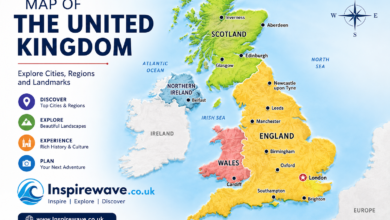
Although travelling to Scandinavia offers the highest chances, the best places to see northern lights are not always overseas. During periods of strong solar activity, parts of the UK can enjoy impressive aurora displays. Scotland remains the country’s leading destination thanks to its northern location, dark skies, and low levels of light pollution.
Excellent viewing spots include the Cairngorms National Park, the Isle of Skye, Shetland, and Orkney. Northumberland International Dark Sky Park also provides superb conditions in northern England, while Snowdonia in Wales occasionally rewards patient skywatchers. Success depends heavily on weather conditions and solar activity, making planning essential.
How to Plan the Perfect Northern Lights Trip
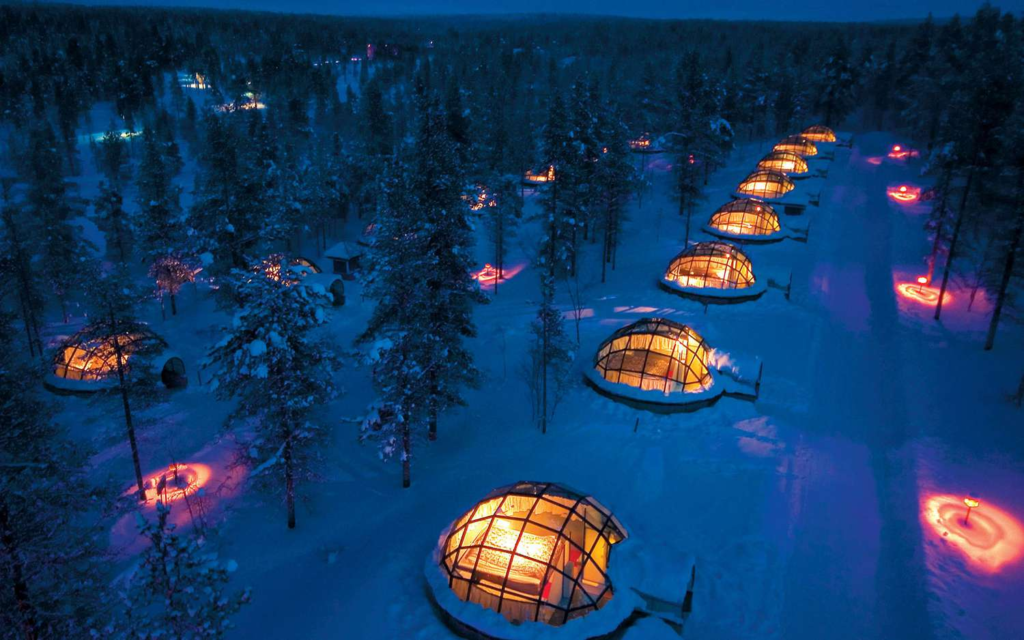
Choosing the right destination depends on your budget, travel style, and available holiday time. Norway and Finland offer luxurious Arctic experiences with glass igloos, while Iceland combines volcanic landscapes, waterfalls, and geothermal lagoons with excellent aurora opportunities. Canada and Alaska provide outstanding value for travellers seeking longer adventures in North America.
Booking accommodation outside busy city centres reduces light pollution and improves visibility considerably. Guided aurora tours also increase success because experienced local guides monitor weather patterns and drive visitors towards clearer skies when conditions change. Flexible travel dates often produce much better results than short weekend breaks.
Essential Tips for Seeing the Northern Lights
Preparation can make the difference between an unforgettable experience and a disappointing evening. Dress in several warm layers, wear insulated boots, gloves, and hats, and carry hot drinks if spending several hours outdoors. Arctic temperatures frequently fall well below freezing, especially during the clearest nights when aurora viewing is often at its best.
Photography enthusiasts should bring a sturdy tripod and use manual camera settings to capture vibrant aurora images. Even modern smartphones now include night modes capable of producing impressive results. Downloading aurora forecast apps before travelling also helps you monitor changing conditions and choose the most promising viewing times.
Why Northern Lights Tours Are Worth Considering
Many visitors wonder whether organised tours justify the extra expense. Professional guides possess extensive local knowledge and understand how changing weather patterns affect visibility. They regularly monitor cloud cover, road conditions, and solar forecasts throughout the evening, significantly increasing the chances of finding clear skies.
Tours often include transport, warm clothing, photography assistance, and fascinating information about local culture and Arctic wildlife. Some packages even combine aurora hunting with activities such as husky sledding, reindeer encounters, or snowmobile adventures, creating a more memorable holiday than simply searching independently.
Conclusion
Finding the best places to see northern lights begins with choosing the right destination and travelling during the peak viewing season. Norway, Finland, Iceland, Sweden, Canada, Alaska, and Greenland all provide exceptional opportunities, while Scotland and northern England occasionally offer spectacular displays during strong geomagnetic activity. Careful planning, flexible travel dates, and monitoring weather forecasts greatly improve your chances.
Whether you dream of photographing colourful skies above snowy mountains or simply witnessing one of nature’s greatest spectacles, an aurora adventure is an experience unlike any other. By selecting one of the best places to see northern lights and preparing carefully, you can create unforgettable memories that will last a lifetime.
Frequently Asked Questions
Where are the best places to see northern lights?
Norway, Finland, Iceland, Sweden, Canada, Alaska, and Greenland are widely considered the best destinations because they lie beneath the auroral oval.
When is the best time to see the Northern Lights?
The ideal season is from late September to early April, with winter providing the longest and darkest nights.
Can you see the Northern Lights in the UK?
Yes. Scotland, Northumberland, and other dark-sky areas occasionally experience visible aurora displays during periods of high solar activity.
How many nights should I stay?
A stay of three to four nights provides a much better chance of seeing clear skies and favourable aurora conditions.
Are Northern Lights tours worth it?
Yes. Experienced guides know where to find the clearest skies and often improve your chances of witnessing the Aurora Borealis.
Can I photograph the Northern Lights?
Absolutely. A DSLR or mirrorless camera with a tripod offers the best results, although many modern smartphones also capture impressive aurora images using night mode.
You May Also Read: Stephanie Thirkill