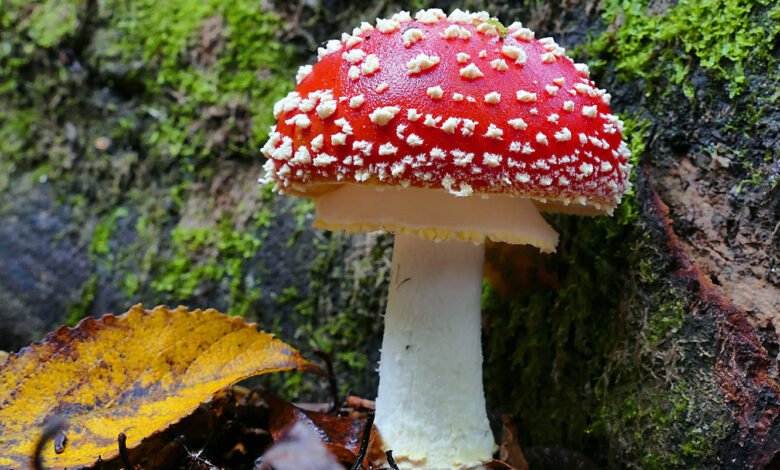
Fungi are a diverse and essential biological kingdom that includes mushrooms, molds, and yeasts, all playing critical roles in ecosystems across the planet. Unlike plants, fungi do not rely on sunlight for energy. Instead, they obtain nutrients by breaking down organic material, making them one of nature’s most important decomposer groups in maintaining ecological balance.
The importance of fungi extends far beyond forests and soil. They are deeply connected to human life through food production, medicine, and environmental cycles. From fermentation in baking to antibiotic discovery, fungi influence everyday life in powerful ways. Studying fungi helps us understand biodiversity, sustainability, and the hidden networks that support life on Earth.
What Are Fungi?
Fungi are eukaryotic organisms classified in their own kingdom, separate from plants, animals, and bacteria. They include a wide variety of species such as edible mushrooms, microscopic yeasts, and mold organisms. Their unique biology sets them apart because they absorb nutrients from organic matter rather than producing food through photosynthesis.
Structurally, fungi are made up of thread-like filaments called hyphae, which form a network known as mycelium. This hidden underground system allows fungi to spread efficiently and absorb nutrients from their surroundings. Their cell walls contain chitin, a strong structural compound also found in insect shells, giving fungi durability and adaptability.
Types of Fungi
Fungi are broadly classified into several major types based on their structure and function. Yeasts are single-celled fungi commonly used in baking, brewing, and fermentation industries. Molds are multicellular fungi that grow in filaments and often appear on decaying organic matter, food, or damp environments.
Mushrooms are the visible fruiting bodies of certain fungi species and can be edible or toxic depending on the type. Lichens are unique organisms formed through a symbiotic relationship between fungi and algae. Each type of fungi plays a different ecological role, contributing to nutrient cycling and environmental stability in natural ecosystems.
Characteristics of Fungi
One of the defining characteristics of fungi is their mode of nutrition. They are heterotrophic organisms, meaning they cannot produce their own food. Instead, they secrete enzymes that break down organic material externally and absorb the nutrients, allowing them to survive in a wide range of environments.
Fungi reproduce through spores, which are microscopic reproductive units capable of traveling long distances through air or water. They can reproduce both sexually and asexually depending on environmental conditions. This flexibility in reproduction allows fungi to adapt quickly, colonize new habitats, and survive in changing ecological conditions.
Importance of Fungi in Ecosystems
Fungi are essential decomposers in ecosystems, breaking down dead plants, animals, and organic waste materials. This decomposition process releases vital nutrients back into the soil, supporting plant growth and maintaining the natural nutrient cycle. Without fungi, ecosystems would become overloaded with organic waste and lose fertility.
Many fungi also form mutualistic relationships with plants through structures called mycorrhizae. In this relationship, fungi help plants absorb water and essential minerals from the soil, while plants provide fungi with carbohydrates. This partnership strengthens plant health, improves soil quality, and enhances overall ecosystem productivity.
Economic and Medical Importance of Fungi
Fungi have major economic importance, especially in the food and biotechnology industries. Yeast is widely used in baking, brewing, and fermentation processes, making it essential for bread, beer, and wine production. Other fungi are used in producing cheeses and various fermented foods around the world.
In medicine, fungi have contributed to life-saving discoveries such as antibiotics, most notably penicillin. Many modern pharmaceuticals are derived from fungal compounds that help treat bacterial infections and other diseases. Fungi are also used in biotechnology for producing enzymes, organic acids, and industrial chemicals.
Harmful Effects of Fungi
Despite their benefits, fungi can also have harmful effects on humans, animals, and plants. Some fungi are responsible for crop diseases that can destroy agricultural production and cause significant economic losses. These plant infections spread quickly under favorable conditions and are often difficult to control.
Fungi can also cause health problems in humans, including skin infections, allergies, and respiratory conditions. Mold growth in food can lead to spoilage and food poisoning. These harmful effects highlight the importance of monitoring fungal growth and developing effective control methods in agriculture and healthcare systems.
Examples of Common Fungi
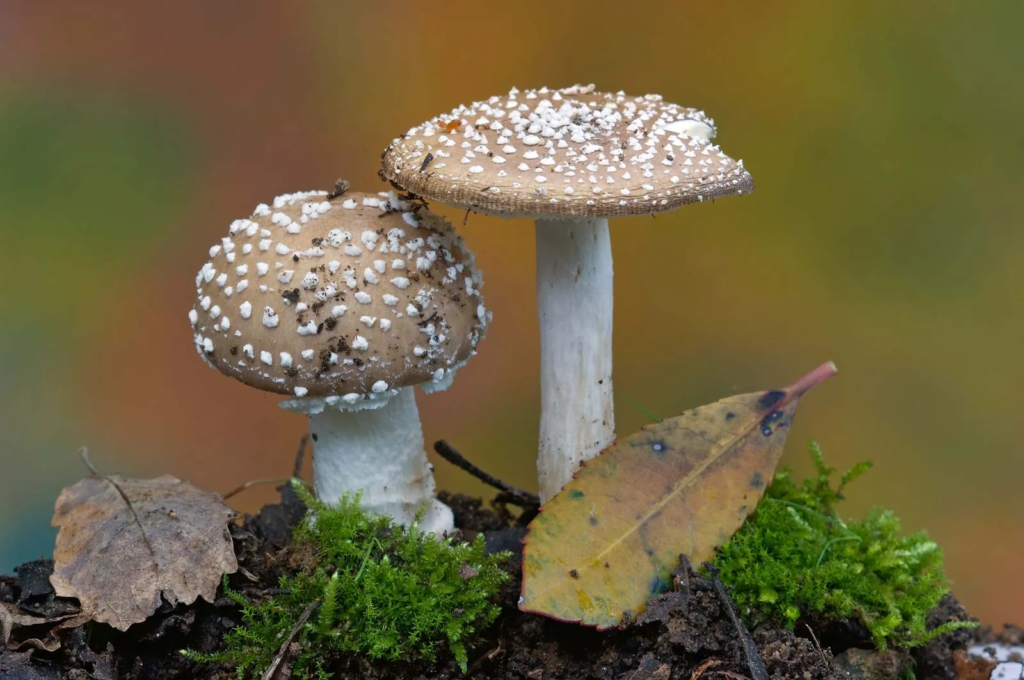
There are many examples of fungi found in nature, ranging from beneficial to harmful species. Edible fungi such as button mushrooms, oyster mushrooms, and shiitake mushrooms are widely consumed and cultivated for their nutritional value and culinary uses. These fungi are an important part of global food systems.
On the other hand, some fungi are toxic and dangerous, such as certain species of Amanita, which can cause severe poisoning if consumed. Yeasts and penicillium fungi are also common examples, playing essential roles in fermentation and antibiotic production. These examples demonstrate the wide diversity within the fungal kingdom.
Fungi in Science and Research
Fungi are widely used in scientific research due to their simple structure and genetic similarities to more complex organisms. Scientists use fungi as model organisms to study cell biology, genetics, and evolutionary processes. Their rapid growth makes them ideal for laboratory experiments and biological studies.
In biotechnology, fungi are used for environmental cleanup, enzyme production, and genetic engineering applications. They are also being studied for their ability to break down pollutants and waste materials. This makes fungi an important resource for developing sustainable technologies and environmental solutions.
Future Importance of Fungi
The future of fungi research is promising, especially in medicine and environmental science. Scientists are exploring fungi for new antibiotics, anti-cancer drugs, and immune-boosting compounds. Their unique biochemical properties make them valuable for discovering new treatments for diseases.
Fungi also have potential in solving environmental challenges. They can help in waste decomposition, soil restoration, and sustainable agriculture practices. As global environmental concerns grow, fungi are expected to play a key role in building eco-friendly solutions for a more sustainable future.
Conclusion
Fungi are one of the most important biological kingdoms on Earth, playing vital roles in ecosystems, industry, medicine, and environmental balance. Their ability to decompose organic matter and form symbiotic relationships makes them essential for life on the planet.
Understanding fungi helps us appreciate their hidden but powerful influence on nature and human society. As research continues, fungi will likely become even more important in addressing global challenges in health, food production, and environmental sustainability.
FAQs
What are fungi?
Fungi are a group of eukaryotic organisms that include mushrooms, molds, and yeasts, belonging to their own biological kingdom.
Are fungi plants or animals?
Fungi are neither plants nor animals; they belong to a separate kingdom of life.
How do fungi reproduce?
Fungi reproduce through spores using both sexual and asexual methods.
Why are fungi important?
They play a key role in decomposition, nutrient cycling, and industrial applications.
Can fungi be harmful?
Yes, some fungi cause diseases in humans, animals, and plants.
What are examples of fungi?
Examples include mushrooms, yeast, molds, and penicillium species.
You May Also Read: Cruise Ship Crashes