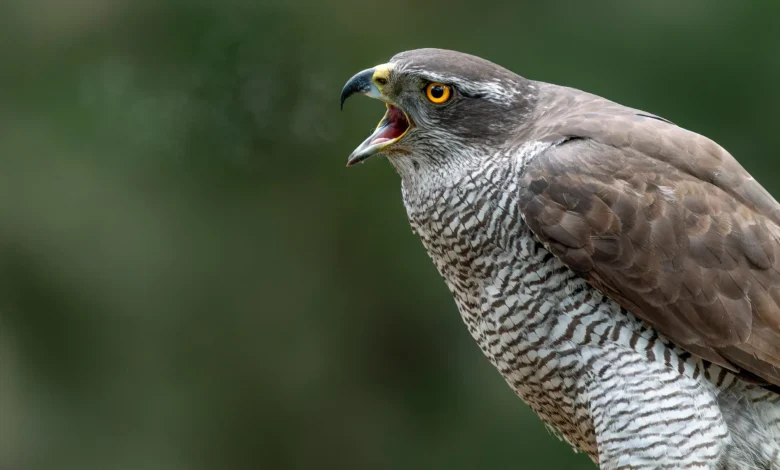
The goshawk is one of the most remarkable birds of prey found across Europe, Asia, and parts of North America. Renowned for its incredible speed, sharp eyesight, and exceptional hunting skills, this woodland hunter has fascinated birdwatchers, photographers, and wildlife enthusiasts for generations. Although it often remains hidden deep within forests, the goshawk plays a vital role in maintaining the balance of healthy woodland ecosystems.
Interest in the goshawk has grown steadily as more people explore nature reserves and forests throughout the United Kingdom. Whether you are an experienced birdwatcher or simply curious about wildlife, learning about the goshawk provides valuable insight into one of Britain’s most powerful and mysterious birds. This guide explains everything from identification and habitat to diet, breeding, and fascinating facts.
Goshawk Identification
Identifying a goshawk becomes easier once you understand its distinctive appearance. Adult birds have broad rounded wings, a long tail, strong yellow legs, and powerful black talons designed for catching prey. Their grey upperparts contrast with pale underparts covered in fine horizontal bars, while the prominent white eyebrow gives the bird an intense and unmistakable expression.
Male goshawks are generally smaller than females, although both share similar markings. Adults develop striking orange to deep red eyes as they mature, whereas younger birds display yellow eyes and brown streaked plumage. Their confident flight, consisting of rapid wingbeats followed by short glides, also helps distinguish them from other birds of prey seen across the United Kingdom.
Goshawk Habitat
The goshawk thrives in large, mature woodlands where tall trees provide excellent nesting sites and cover for hunting. Mixed forests containing both coniferous and deciduous trees create the ideal environment because they offer shelter alongside abundant prey. Dense woodland allows these birds to fly at remarkable speeds while remaining hidden from both predators and potential prey.
Across Britain, the goshawk is found mainly in England, Scotland, and Wales, although sightings remain relatively uncommon due to its secretive behaviour. Outside the United Kingdom, the species occupies forests throughout Europe and much of Asia. Its preference for remote woodland habitats explains why many people spend years birdwatching before seeing a goshawk in the wild.
Goshawk Diet
The goshawk is an exceptionally skilled predator with a varied diet that changes depending on the available prey within its territory. Birds such as pigeons, pheasants, crows, and woodpigeons make up a significant part of its food supply, while rabbits, squirrels, and other small mammals are also regularly hunted throughout the year.
Unlike birds of prey that circle high above open countryside, the goshawk hunts by flying swiftly through woodland using trees as cover. It relies on surprise, speed, and powerful talons to capture prey before it has time to escape. This stealthy hunting technique has earned the bird its famous nickname, the “Phantom of the Forest.”
Goshawk Behaviour
One of the most fascinating characteristics of the goshawk is its confidence and agility while flying through dense woodland. The bird can weave effortlessly between branches at impressive speeds, changing direction almost instantly while pursuing prey. Its exceptional manoeuvrability makes it one of the finest aerial hunters found anywhere in the natural world.
Although highly skilled predators, goshawks are naturally shy and prefer to avoid human activity whenever possible. They usually remain hidden within forests, becoming most visible during the breeding season when spectacular display flights occur above nesting territories. Even experienced birdwatchers often consider a goshawk sighting to be a memorable wildlife experience.
Goshawk Life Cycle and Breeding
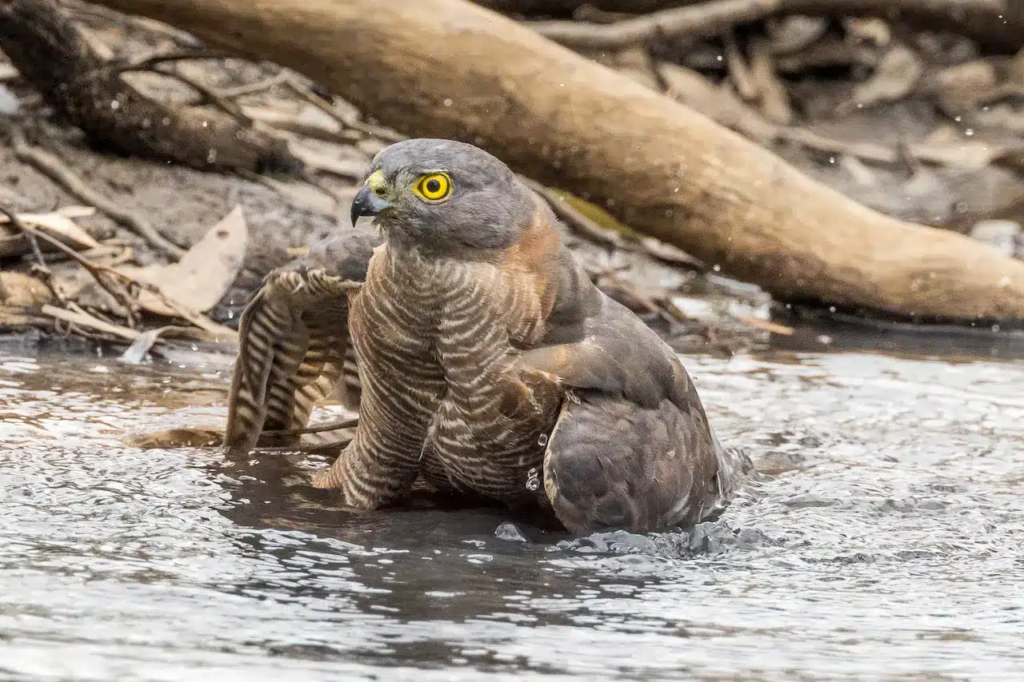
The breeding season begins in early spring when adult pairs perform dramatic aerial displays to strengthen their pair bond and defend their territory. Large stick nests are built high in mature trees, often reused and improved over several breeding seasons. Fresh green leaves are frequently added to line the nest before eggs are laid.
Female goshawks normally lay several eggs, which are incubated for just over a month while the male provides food. After hatching, both parents work together to feed and protect their young until they are strong enough to leave the nest. Juvenile birds continue developing their hunting abilities before becoming completely independent.
Goshawk Conservation
Historically, the goshawk suffered severe population declines because of habitat destruction and illegal persecution. During previous centuries, the species disappeared from several parts of Britain before conservation efforts gradually helped restore breeding populations. Today, woodland management and legal protection have contributed significantly to the recovery of this impressive bird of prey.
Despite these improvements, the goshawk still faces challenges from habitat loss, disturbance around nesting sites, and environmental pressures. Responsible woodland management and public awareness remain essential for ensuring healthy populations. Birdwatchers are encouraged to observe these magnificent birds from a respectful distance to minimise unnecessary disturbance during the breeding season.
Fascinating Goshawk Facts
The goshawk is capable of flying through forests at remarkable speeds while avoiding branches with extraordinary precision. Its combination of powerful wings, long tail, and exceptional eyesight allows it to pursue fast-moving prey where many other birds of prey would struggle. These adaptations have made it one of nature’s most efficient woodland hunters.
Another interesting fact is that the goshawk has inspired myths, stories, and falconry traditions for centuries. In many cultures, it symbolises courage, strength, and determination. Because sightings remain relatively rare, every encounter with a goshawk creates lasting memories for birdwatchers who appreciate Britain’s rich wildlife heritage.
Conclusion
The goshawk remains one of the most impressive and mysterious birds of prey found within the United Kingdom. Its powerful appearance, remarkable hunting ability, and preference for secluded woodland habitats have earned it admiration from wildlife enthusiasts across the country. Learning about this extraordinary bird encourages greater appreciation for Britain’s natural environment.
Protecting forests and supporting conservation initiatives will help ensure future generations continue to enjoy the presence of the goshawk in the wild. Whether admired for its beauty, speed, or hunting skills, this magnificent raptor remains a powerful symbol of healthy woodland ecosystems and one of Britain’s most fascinating birds of prey.
Frequently Asked Questions
What is a goshawk?
A goshawk is a large woodland bird of prey belonging to the Accipitridae family. It is recognised for its strength, speed, and excellent hunting ability.
Where does the goshawk live?
The goshawk mainly inhabits mature forests across the United Kingdom, Europe, Asia, and parts of North America.
What does a goshawk eat?
Its diet includes pigeons, pheasants, squirrels, rabbits, crows, and many other medium-sized birds and mammals.
How do you identify a goshawk?
A goshawk has broad wings, a long tail, yellow legs, sharp talons, and a distinctive white eyebrow above bright orange or red eyes.
Is the goshawk rare in Britain?
The species is still considered relatively uncommon, although conservation work has helped increase its population in suitable woodland habitats.
Why is the goshawk called the Phantom of the Forest?
It receives this nickname because of its secretive behaviour and incredible ability to hunt silently through dense woodland.
Are goshawks dangerous to humans?
No. Goshawks naturally avoid people and rarely become aggressive unless their nesting sites are disturbed during the breeding season.
You May Also Read: Flights to Antalya Turkey