
A daith piercing has become one of the most talked-about ear piercings in modern body art, combining aesthetic appeal with wellness curiosity. Positioned deep inside the ear’s cartilage fold, it stands out as a subtle yet distinctive form of self-expression. Unlike standard lobe piercings, the daith piercing requires careful placement and healing due to its location in thicker cartilage tissue. Its unique appearance has made it popular among people who want something stylish but less common than traditional piercings.
Part of the daith piercing fame also comes from its association with migraine relief claims. Many people believe it may help reduce headache frequency due to its connection with acupuncture pressure points. While this idea has contributed to its popularity, medical evidence remains limited, making it a mix of fashion trend and wellness curiosity. Regardless of the reason people choose it, the piercing has established itself as a modern body modification trend.
This complete guide explores everything about daith piercing, including procedure, pain level, healing time, jewelry options, risks, cost, and migraine theories. Whether you are considering getting one or simply researching, understanding the full picture will help you make an informed decision.
What Is a Daith Piercing?
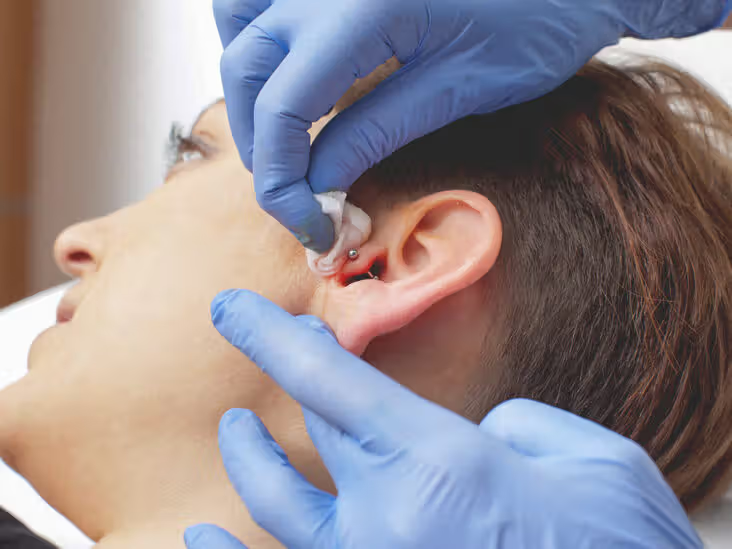
A daith piercing is located in the innermost fold of the ear’s cartilage, just above the ear canal. It passes through thick cartilage tissue, making it more complex than standard ear lobe piercings. Because of its hidden placement, it creates a unique and subtle look that is visible only from certain angles.
It is often confused with other cartilage piercings like the rook or helix, but its position is distinct. The daith sits in a central fold, forming a small ring-like appearance that hugs the inner ear. This placement makes it both visually interesting and slightly more challenging to pierce correctly.
Historically, daith piercing is part of the modern body modification movement rather than an ancient tradition. However, its connection to acupuncture points has led to theories that it may influence nerve pathways associated with headaches and migraines. While this idea has contributed to its popularity, it remains largely anecdotal rather than scientifically proven.
People choose daith piercings for several reasons. Some are drawn to its stylish and unconventional look, while others are intrigued by potential wellness benefits. For many, it represents individuality and personal expression in a subtle yet meaningful way.
Daith Piercing Procedure: Step-by-Step Guide
Getting a daith piercing should always be done by a professional piercer with experience in cartilage work. The process begins with a consultation where the piercer examines your ear anatomy to determine if placement is suitable. Not every ear structure is ideal for this piercing, so professional assessment is important.
Once placement is marked, sterilized tools and a hollow needle are used to perform the piercing. Unlike piercing guns, which are unsuitable for cartilage, needles provide cleaner and safer penetration. The piercer carefully pushes the needle through the thick cartilage fold, followed by immediate insertion of jewelry.
The procedure is usually quick but can feel intense due to cartilage density. Many people describe the pain as a sharp pressure followed by brief soreness rather than prolonged discomfort. Tears or dizziness may occur temporarily due to nerve response, but this is normal and short-lived.
After the piercing is complete, the area may feel swollen or warm. The piercer will provide aftercare instructions and recommend initial jewelry, usually a captive bead ring or curved barbell made of safe materials. Proper aftercare begins immediately to prevent complications and support healing.
Healing Time and Aftercare
A daith piercing typically takes between 6 to 12 months to fully heal, though initial healing may be noticeable within a few weeks. Because it passes through thick cartilage, healing is significantly slower than lobe piercings.
Proper aftercare is essential for avoiding infection and irritation. Cleaning the area with sterile saline solution once or twice daily helps remove buildup and keep the piercing clean. It is important not to twist or rotate the jewelry, as this can damage healing tissue and delay recovery.
Avoid sleeping directly on the pierced ear, as pressure can cause swelling or irritation bumps. Using a travel pillow or sleeping on the opposite side can help reduce discomfort during the healing phase. Hair products, makeup, and dirty hands should also be kept away from the piercing.
Common healing issues include mild swelling, tenderness, and small irritation bumps. These are usually temporary and improve with consistent care. However, severe pain, persistent redness, or discharge may indicate infection and should be evaluated by a professional piercer or healthcare provider.
Daith Piercing Jewelry Guide
Choosing the right jewelry is crucial for a successful daith piercing experience. The most common types include captive bead rings, seamless rings, and curved barbells. These designs fit comfortably within the ear’s inner fold and allow for natural movement without excessive pressure.
Material choice is equally important. Implant-grade titanium is widely recommended for new piercings because it is lightweight, durable, and hypoallergenic. Surgical steel is another option, although it may not be suitable for those with metal sensitivities. Gold jewelry should only be used after full healing and must be high-quality and nickel-free.
Sizing also plays a key role in comfort and healing. Jewelry that is too tight can cause pressure and irritation, while overly loose rings may shift and delay healing. A professional piercer will help determine the correct diameter based on your ear anatomy.
Daith Piercing for Migraine Relief: Myth or Reality?
One of the most popular claims surrounding daith piercing is its supposed ability to reduce migraines. This belief comes from its location near an acupuncture pressure point linked to headache relief in traditional Chinese medicine.
However, scientific evidence supporting this claim is limited. While some individuals report reduced migraine frequency after getting the piercing, researchers suggest that these effects may be related to placebo response rather than direct physiological change.
Despite the lack of medical confirmation, personal experiences vary widely. Some people strongly believe in its benefits, while others notice no change in symptoms. Because of this inconsistency, medical professionals generally do not recommend daith piercing as a treatment for migraines.
Cost, Risks, and Safety Considerations
The cost of a daith piercing typically depends on studio quality, location, and jewelry selection. Prices generally include both the procedure and starter jewelry. Higher-quality studios may charge more but provide better safety and expertise.
Like all cartilage piercings, there are risks involved. These include infection, improper placement, allergic reactions, and development of irritation bumps. Poor aftercare or low-quality jewelry can increase these risks significantly.
In rare cases, keloids or prolonged swelling may occur, especially in individuals prone to scar tissue formation. Seeking professional help early can prevent complications and ensure proper healing.
Styling and Lifestyle Tips
A daith piercing offers both style and subtlety. It can be worn as a delicate ring for minimal aesthetics or a decorative piece for bold expression. Many people also pair it with other ear piercings for a layered look.
During healing, lifestyle adjustments may be needed. Sleeping carefully, avoiding pressure, and being cautious with headphones or earphones can prevent irritation. Once healed, it becomes easier to manage in daily life.
Jewelry changes should only be done after full healing, ideally with professional assistance for the first swap.
Conclusion
A daith piercing is a unique combination of fashion, individuality, and curiosity-driven wellness belief. While its migraine-relief reputation remains unproven scientifically, its aesthetic appeal and symbolic meaning continue to attract many people.
When done by a skilled professional and cared for properly, it can heal successfully and become a long-term style statement. Understanding the procedure, risks, and aftercare is essential for a safe and satisfying experience.
FAQs
Does a daith piercing hurt?
Yes, it causes a sharp but brief pain due to cartilage thickness.
How long does it take to heal?
Usually 6 to 12 months for full healing.
Can it help with migraines?
There is no strong scientific evidence, only anecdotal reports.
What jewelry is best for beginners?
Implant-grade titanium captive rings are recommended.
Is a daith piercing safe?
Yes, when performed by a professional with proper aftercare.
Can I sleep on it?
It is best to avoid pressure during healing.
When can I change jewelry?
Only after full healing, ideally after professional advice.
You May Also Read: K Pop Demon Hunters Toys