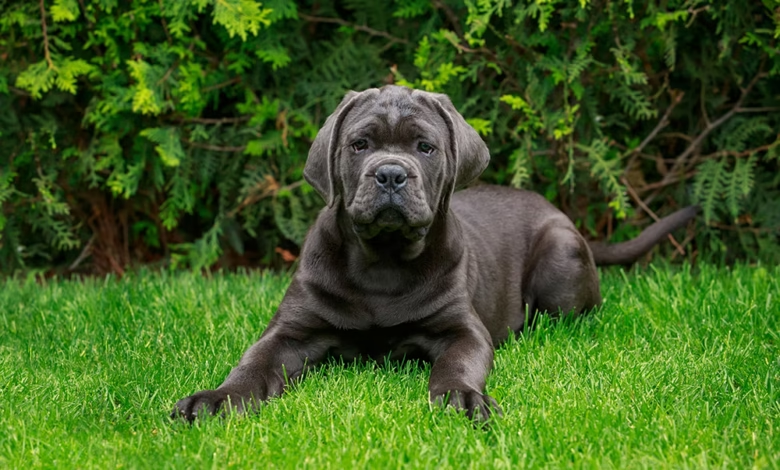
A Cane Corso puppy is not just an adorable companion—it is the beginning of a powerful, intelligent, and deeply loyal guardian dog that will grow into one of the most impressive large breeds in the canine world. Known for their muscular build, confident personality, and protective instincts, Cane Corso puppies require owners who understand responsibility, structure, and long-term commitment. Many first-time dog owners are drawn to their striking appearance, but their upbringing demands patience and proper training from day one.
Before bringing home a Cane Corso puppy, it is essential to understand that this breed is not an average household pet. They thrive under leadership, consistency, and early socialization. Without proper guidance, their natural guarding instincts can become overwhelming. However, when raised correctly, they become affectionate, loyal, and highly obedient family protectors. This guide explores everything from temperament and training to nutrition and health care, helping future owners make informed decisions.
Cane Corso Puppy Breed Overview
The Cane Corso originates from Italy, where it was historically used as a working dog for guarding property, hunting large game, and protecting livestock. This strong working background has shaped the breed into a confident and highly intelligent guardian. Cane Corso puppies are born with natural alertness, and even at a young age, they often show signs of territorial behavior. Their physical growth is rapid, and within a few months, they begin developing the muscular structure that defines the breed.
In terms of appearance, Cane Corso puppies grow into large, powerful dogs with broad heads, deep chests, and strong limbs. Their coat is short and dense, requiring minimal grooming but regular maintenance. Despite their intimidating size as adults, puppies are playful and curious during early development stages. However, this playfulness must be carefully guided, as their strength increases quickly and can become difficult to manage without training.
Temperament-wise, Cane Corso puppies are loyal, intelligent, and naturally protective. They tend to bond closely with their owners and can be reserved around strangers. This makes early socialization extremely important. When exposed to different environments, people, and animals during puppyhood, they develop into balanced and well-mannered adults.
Cane Corso Puppy Temperament and Behavior
Cane Corso puppies are known for their strong personalities even at a young age. They are confident, observant, and naturally protective of their surroundings. This breed often forms deep emotional bonds with their family members, showing affection and loyalty that grows stronger over time. However, they are not overly social dogs and may take time to warm up to strangers.
One of the most important aspects of raising a Cane Corso puppy is managing their natural guarding instinct. Without proper socialization, they may become overly protective or territorial. Introducing them to different people, environments, and animals during early months helps reduce fear-based behavior and builds confidence. Puppy classes and controlled exposure are highly recommended.
Behavioral challenges can arise if the puppy is not properly guided. These may include stubbornness, dominance testing, or excessive barking. However, these behaviors are not flaws—they are natural traits of an intelligent working breed. With consistent training and firm leadership, Cane Corso puppies respond exceptionally well and develop into calm, well-balanced adult dogs.
Cane Corso Puppy Training Essentials
Training a Cane Corso puppy should begin as early as possible. Because of their intelligence and strength, they require structured guidance to understand boundaries. Basic obedience commands such as sit, stay, come, and heel should be introduced during the first few months. Consistency is key, as inconsistent training can lead to confusion and behavioral issues.
Crate training and housebreaking are also essential parts of early development. A crate provides a safe space for the puppy and helps establish routine discipline. Positive reinforcement methods work best with this breed. Reward-based training encourages cooperation and builds trust between the dog and owner.
Socialization training is equally important. Cane Corso puppies should be exposed to different environments, sounds, and people to reduce anxiety and aggression in adulthood. However, training should always be calm and controlled. Harsh methods or punishment can damage trust and lead to resistance.
Cane Corso Puppy Diet and Nutrition
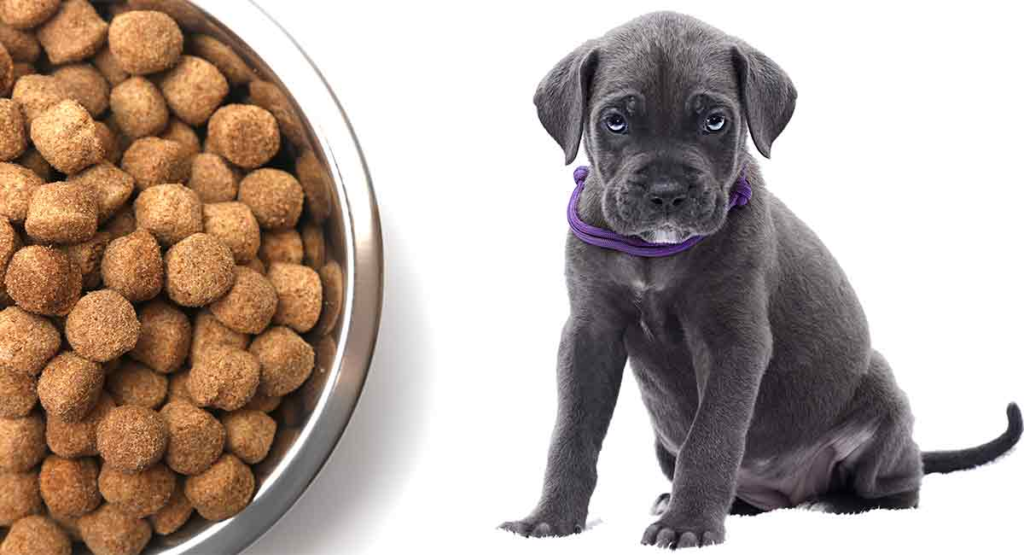
Proper nutrition is vital for Cane Corso puppies due to their rapid growth rate and large body structure. A balanced diet rich in protein supports muscle development, while calcium and phosphorus help strengthen bones. Large-breed puppy formulas are specifically designed to support healthy growth without causing joint stress.
Feeding schedules should be consistent. Younger puppies require multiple small meals per day, gradually transitioning to fewer meals as they grow. Overfeeding should be avoided, as rapid weight gain can lead to joint problems later in life. Fresh water should always be available to keep the puppy hydrated and healthy.
Owners should also avoid harmful foods such as chocolate, processed snacks, and foods high in fat or sugar. A structured diet not only supports physical health but also contributes to stable energy levels and better behavior.
Health Care and Exercise Needs
Cane Corso puppies require regular veterinary care to ensure healthy development. Vaccinations, deworming, and routine check-ups are essential during the first year. Large breeds are prone to certain health issues such as hip dysplasia and joint problems, making preventive care extremely important.
Exercise is also a key part of their development. While puppies should not be over-exercised due to growing bones and joints, they still need daily physical activity. Short walks, light play sessions, and mental stimulation games help maintain balance. As they grow, their exercise needs increase significantly.
Grooming is relatively simple due to their short coat, but regular brushing, nail trimming, and ear cleaning should not be ignored. A healthy Cane Corso puppy is a combination of proper diet, exercise, and preventive medical care.
Buying or Adopting a Cane Corso Puppy
When considering bringing home a Cane Corso puppy, choosing a responsible breeder is extremely important. A good breeder will provide health records, vaccination history, and information about the puppy’s lineage. Avoid purchasing from unreliable sources, as poor breeding practices can lead to long-term health and behavioral issues.
Adoption is also a great option for those willing to provide a loving home. Many Cane Corso puppies and adults are available through rescue organizations. Regardless of the source, the focus should always be on health, temperament, and ethical breeding practices.
The cost of a Cane Corso puppy varies depending on pedigree, breeder reputation, and location. However, price should never be the only deciding factor. A healthy and well-bred puppy will save future medical and behavioral costs.
Conclusion
A Cane Corso puppy is a remarkable blend of strength, intelligence, and loyalty. When raised with proper care, training, and socialization, they become one of the most devoted companion dogs in the world. However, they are not suitable for inexperienced owners or those unwilling to invest time in training and structure.
Understanding their needs—from diet and exercise to behavior and health care—is essential for successful ownership. With the right approach, a Cane Corso puppy grows into a confident, stable, and protective adult dog that becomes a lifelong guardian and family member.
FAQs
Are Cane Corso puppies good for beginners?
They are better suited for experienced dog owners due to their strength and training needs.
How big do Cane Corso puppies get?
They grow into large, muscular dogs that require space and exercise.
Are Cane Corso puppies aggressive?
Not naturally, but poor training can lead to behavioral issues.
How much exercise does a Cane Corso puppy need?
Moderate daily exercise with controlled activity during growth stages.
What should I feed a Cane Corso puppy?
High-quality large-breed puppy food with balanced nutrients.
Do Cane Corso puppies need socialization?
Yes, early socialization is essential for balanced behavior.
How long do Cane Corso dogs live?
Typically around 9–12 years with proper care.
Are Cane Corso puppies easy to train?
They are intelligent but require consistent and firm training.
You May Also Read: Sheridan Smith