Ben Nevis Weather, the highest mountain in the United Kingdom, is famous not only for its impressive height but also for its extremely unpredictable weather conditions. Ben Nevis weather is often described as harsh, fast-changing, and potentially dangerous for unprepared hikers. Located in the Scottish Highlands, the mountain rises to 1,345 meters (4,413 feet), and this elevation plays a major role in creating rapidly shifting climatic conditions. Even when the weather at the base is calm and clear, the summit can be covered in cloud, strong winds, or freezing temperatures.
One of the most important things to understand about Ben Nevis Weather conditions can change dramatically within minutes. A clear sky at the start of a hike does not guarantee safe conditions at higher altitudes. As climbers ascend, temperature drops significantly, wind speed increases, and visibility can quickly reduce due to fog or cloud cover. This makes preparation and awareness essential for anyone planning to climb the mountain.
Because of its challenging environment, Ben Nevis Weather attracts both experienced mountaineers and casual hikers, but all must respect its unpredictable nature. The mountain’s weather is not just a background detail—it is the most important factor determining safety, visibility, and overall climbing success. Understanding these conditions is the first step toward a safe and enjoyable experience.
Climate Overview of Ben Nevis Weather
The climate of Ben Nevis Weather is classified as subarctic maritime, heavily influenced by Atlantic weather systems. This means the mountain experiences frequent rainfall, strong winds, and consistently cool temperatures throughout the year. Unlike many other hiking destinations, there is no truly “safe” season where weather risks disappear completely. Instead, conditions remain challenging in every month, requiring constant caution and preparation.
Rainfall is one of the most defining characteristics of Ben Nevis weather. The western Highlands are among the wettest regions in the UK, and the mountain itself receives a significant amount of precipitation annually. This leads to slippery trails, wet rock surfaces, and rapidly forming streams along hiking routes. Fog and cloud cover are also extremely common, often reducing visibility to just a few meters, especially near the summit.
Temperature differences between the base and the top of the mountain are also significant. While the lower slopes may feel mild, the summit is often close to freezing, even during summer months. Wind chill further reduces the perceived temperature, making conditions feel much colder than expected. These combined factors create a challenging environment that demands proper gear and careful planning for every ascent.
Seasonal Breakdown of Ben Nevis Weather
Winter (December – February)
Winter on Ben Nevis Weather is extremely harsh and is considered suitable only for experienced climbers. Snow covers much of the upper mountain, and ice formations are common on both trails and cliffs. Temperatures often drop well below freezing, and strong winds can create blizzard-like conditions. Avalanche risk also increases in certain areas, making route selection critical. During this season, climbing without proper equipment such as crampons and ice axes is highly dangerous.
Spring (March – May)
Spring brings slowly improving conditions, but the weather remains highly unstable. Melting snow creates wet and muddy trails, increasing the risk of slips and falls. Sudden weather changes are common, with clear skies quickly turning into storms. However, longer daylight hours make hiking more manageable, and many climbers begin preparing for summer ascents during this period.
Summer (June – August)
Summer is the most popular time for climbing Ben Nevis Weather, but it is still far from predictable. Lower slopes may be mild and pleasant, but the summit remains cold, windy, and often covered in cloud. Fog can roll in quickly, making navigation difficult even in good weather seasons. Despite these challenges, summer offers the best overall chance for safe climbing conditions.
Autumn (September – November)
Autumn marks a return to colder and wetter conditions. Rainfall increases, winds strengthen, and early snowfall is possible at higher elevations. Visibility often decreases due to cloud cover, and trails become increasingly slippery. This transitional season requires careful planning and awareness of rapidly changing conditions.
Common Weather Hazards on Ben Nevis Weather
Ben Nevis Weather is known for its challenging and sometimes dangerous weather conditions. One of the most common hazards is sudden fog, which can reduce visibility to near zero within minutes. This makes navigation extremely difficult, even for experienced hikers. Many accidents occur when climbers lose their sense of direction due to thick cloud cover.
Strong winds are another major risk factor. At higher elevations, wind speeds can become powerful enough to knock hikers off balance. When combined with cold temperatures, wind chill can quickly lead to hypothermia if proper clothing is not worn. Slippery surfaces caused by rain, snow, or ice further increase the risk of falls.
Another significant hazard is the rapid change in weather conditions. A calm and sunny base can quickly transform into a stormy summit environment. This unpredictability makes it essential for climbers to continuously monitor conditions and be prepared to turn back if necessary. Respecting these hazards is key to staying safe on the mountain.
Best Time to Visit Ben Nevis Weather
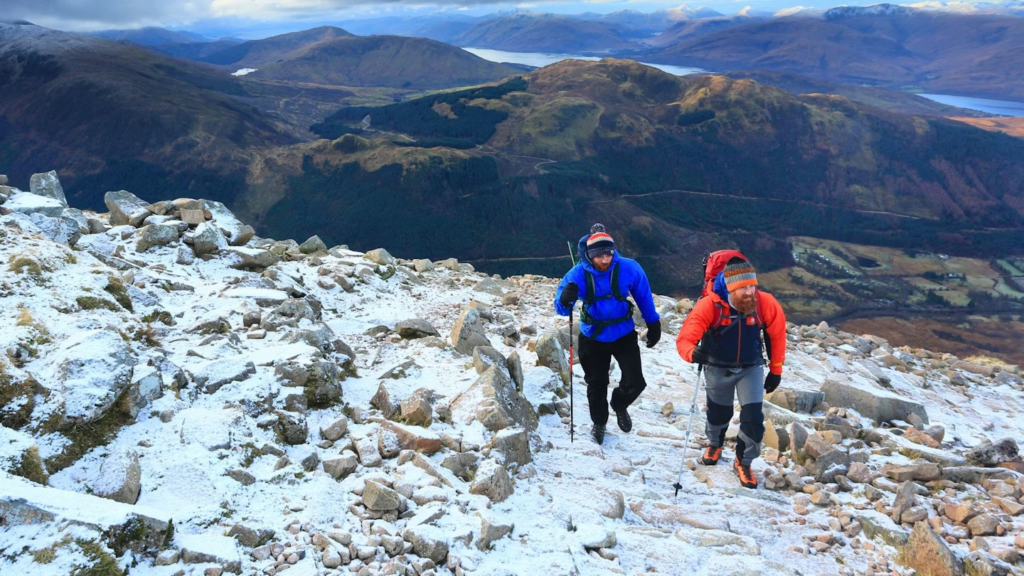
The best time to climb Ben Nevis is generally between late spring and early autumn, when weather conditions are relatively more stable. During these months, temperatures are milder, and daylight hours are longer, allowing for safer and more comfortable hiking experiences. However, even during this period, conditions can change unexpectedly.
Early morning climbs are often recommended, as weather tends to be more stable earlier in the day. Additionally, checking detailed weather forecasts before starting the ascent is essential. Many experienced hikers also choose to avoid peak winter months unless they have advanced mountaineering skills and equipment.
Despite seasonal recommendations, it is important to remember that Ben Nevis weather can never be fully predictable. Even in the “best” season, climbers must be prepared for sudden shifts in conditions.
Preparing for Ben Nevis Weather Conditions
Proper preparation is essential for anyone attempting to climb Ben Nevis. Layered clothing is highly recommended, as it allows hikers to adjust to changing temperatures. Waterproof jackets and trousers are essential due to frequent rain and mist. Windproof outer layers also help protect against strong summit winds.
Footwear plays a crucial role in safety. Hiking boots with strong grip are necessary to handle wet and slippery terrain. In winter conditions, additional equipment such as crampons may be required. Navigation tools like maps, compasses, or GPS devices are also essential, especially when visibility is low.
Carrying emergency supplies such as food, water, and warm clothing can make a significant difference in case of unexpected delays. Many hikers also choose to consult local guides or experienced climbers for safer navigation. Preparation is not just recommended on Ben Nevis—it is essential for survival and safety.
Impact of Weather on Climbing Routes
Weather conditions significantly affect the safety and accessibility of climbing routes on Ben Nevis. The Mountain Track, also known as the Pony Track, is the most commonly used route, but even this can become dangerous in poor weather. Heavy rain or snow can make paths slippery and difficult to follow.
More technical climbing routes are even more sensitive to weather changes. Ice formation on rocks and ridges can create serious hazards, while strong winds can make certain sections nearly impossible to cross safely. Reduced visibility also makes route-finding extremely challenging, increasing the risk of getting lost or off-track.
Because of these factors, climbers must always evaluate weather conditions before choosing a route and be prepared to change plans if conditions worsen.
Conclusion
Ben Nevis weather is one of the most important factors influencing any climbing experience on the UK’s highest mountain. Its unpredictable nature, combined with strong winds, fog, and rapid temperature changes, makes it both fascinating and dangerous. Understanding these conditions is essential for safety and successful ascent.
Proper preparation, awareness, and respect for the mountain environment are key to enjoying Ben Nevis safely. Whether in summer or winter, the weather should always be treated as the primary consideration before any climb. Those who prepare well are rewarded with one of the most memorable hiking experiences in Scotland.
FAQs
What is Ben Nevis weather like?
It is cold, wet, windy, and highly unpredictable.
When is the best time to climb Ben Nevis?
Late spring to early autumn offers the safest conditions.
Does weather change quickly on Ben Nevis?
Yes, it can change within minutes, especially at higher altitudes.
Is snow common on Ben Nevis?
Yes, snow can be present even during summer at higher elevations.
Why is Ben Nevis weather dangerous?
Due to fog, wind, cold temperatures, and sudden weather shifts.
What should I wear when climbing?
Waterproof, windproof, layered clothing with strong hiking boots is essential.
You May Also Read: Freya Mavor