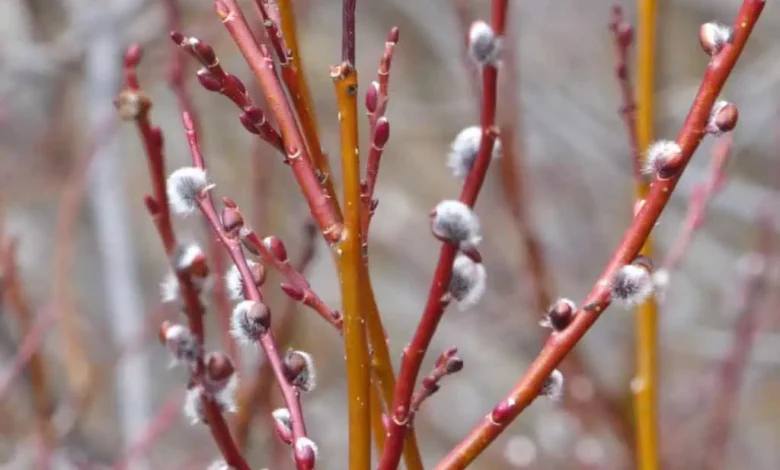
Pussy willow is one of the most charming and recognizable plants of the spring season. Famous for its soft, silky catkins that appear before the leaves bloom, this elegant plant has become a favorite among gardeners, decorators, and nature lovers worldwide. The fuzzy buds of the pussy willow symbolize the arrival of warmer weather and create a peaceful natural beauty that stands out in gardens and floral arrangements alike.
Unlike many ornamental plants, Pussy Willow combines visual appeal with practical benefits. It grows quickly, adapts to different climates, and provides important support for pollinators such as bees during early spring. Because of its graceful branches and decorative texture, the plant is widely used in landscaping, home décor, and seasonal celebrations. Whether planted near ponds, along pathways, or inside decorative vases, pussy willow brings elegance and freshness to any environment.
Another reason for the popularity of pussy’willow is its easy maintenance. Even beginner gardeners can successfully grow and care for this attractive shrub or small tree. With proper sunlight, watering, and pruning, pussy willow can thrive for many years while adding beauty to outdoor and indoor spaces. The plant’s versatility makes it suitable for both modern and rustic garden designs.
In this complete guide, you will learn everything about pussy’willow, including its origins, popular varieties, growing methods, care tips, landscaping uses, and seasonal maintenance. Whether you are planning to decorate your garden or simply enjoy nature’s beauty, pussy willow is a wonderful plant worth exploring.
What Is Pussy Willow?
Pussy willow is a common name used for several species of willow trees and shrubs belonging to the Salix genus. These plants are especially known for their soft, furry catkins that appear in late winter or early spring. The catkins often resemble tiny silver-gray paws, which is why the plant earned the unique name “pussy willow.” Found in Europe, Asia, and North America, pussy’willow naturally grows near rivers, wetlands, and moist soil areas.
One of the most distinctive features of pussy willow is the timing of its bloom. Unlike many plants that first develop leaves, pussy willow produces its silky catkins before foliage appears. This early blooming cycle makes it one of the first signs of spring. Gardeners appreciate the plant because it adds texture and visual interest during a season when many landscapes still look dull after winter.
Different species of pussy’willow vary in size, color, and growth habits. Some grow as compact shrubs ideal for small gardens, while others develop into taller ornamental trees. Popular varieties include the American pussy willow, goat willow, and Japanese pink pussy willow. Each variety offers unique beauty and can suit different landscaping styles.
Beyond its physical appearance, pussy’willow also holds symbolic meaning in many cultures. It is often associated with renewal, hope, growth, and new beginnings. In some traditions, pussy willow branches are used during spring festivals and religious celebrations, making the plant both culturally meaningful and visually appealing.
Types of Pussy Willow Plants
There are several beautiful types of pussy willow plants available for gardeners and landscapers. One of the most common is the American pussy’willow, known for its silver catkins and strong adaptability. This variety grows naturally in moist environments and is popular in North American gardens due to its fast growth and easy care requirements.
Another highly admired variety is the goat willow, often found in Europe and parts of Asia. Goat willow produces larger catkins and can grow into a medium-sized ornamental tree. Its dramatic branches make it an attractive option for larger landscapes and decorative outdoor designs. Gardeners often choose this type for creating natural privacy borders or adding vertical beauty to gardens.
The Japanese pink pussy willow has gained popularity because of its colorful stems and soft pink catkins. Unlike traditional gray catkins, this variety adds vibrant visual contrast to gardens and floral arrangements. The pink stems become especially striking during winter and early spring, making the plant valuable even before blooming begins.
Choosing the right pussy’willow depends on garden size, climate, and personal preference. Smaller varieties work well in compact urban gardens, while taller species suit larger outdoor spaces. Regardless of the type selected, pussy willow remains a versatile and elegant addition to nearly any landscape.
How to Grow Pussy Willow
Growing pussy willow is relatively simple, which makes it an excellent choice for beginner gardeners. The plant thrives best in areas with full sunlight or partial shade. Although pussy’willow can adapt to different soil types, it grows most successfully in moist, well-drained soil. Locations near ponds, streams, or rain gardens are especially suitable because the plant naturally prefers damp conditions.
The best time to plant pussy willow is during early spring or autumn when temperatures are moderate. When planting, gardeners should dig a hole deep enough to accommodate the root system comfortably. Adequate spacing is also important because some varieties can spread quickly as they mature. Watering immediately after planting helps establish healthy root growth.
One of the easiest ways to grow pussy’willow is through cuttings. Gardeners can cut healthy branches from an established plant and place them in water or moist soil until roots develop. This propagation method is highly successful because willow species naturally root quickly. Many people enjoy this simple technique because it allows them to grow multiple plants without purchasing additional shrubs.
Regular watering during the first year is essential for strong growth. Once established, pussy’willow becomes more resilient and requires less maintenance. However, consistent moisture still encourages healthier foliage and more attractive catkins. With proper care, the plant can become a long-lasting feature in any garden.
Pussy Willow Care Guide
Proper care helps pussy willow maintain healthy growth and beautiful catkins throughout the year. Watering is one of the most important aspects of maintenance because the plant naturally prefers moist environments. During dry periods, deep watering helps prevent stress and encourages strong root development. However, overly soggy soil should be avoided to reduce the risk of root rot.
Fertilizing pussy’willow in early spring can improve overall health and growth. Organic compost or balanced fertilizers provide essential nutrients that support foliage development and flowering. Mulching around the base of the plant also helps retain soil moisture while protecting roots from temperature changes.
Pruning plays a major role in maintaining the shape and appearance of pussy’willow. The best time to prune is immediately after the blooming season ends. Removing older branches encourages fresh growth and improves airflow throughout the plant. Many gardeners also trim branches for use in decorative arrangements, making pruning both practical and beneficial.
Although pussy willow is generally hardy, it can occasionally face problems such as aphids, fungal diseases, or weak growth. Regular inspection helps identify issues early before serious damage occurs. Healthy watering habits, proper spacing, and good air circulation are effective ways to prevent most common plant problems.
Decorative and Landscaping Uses of Pussy Willow
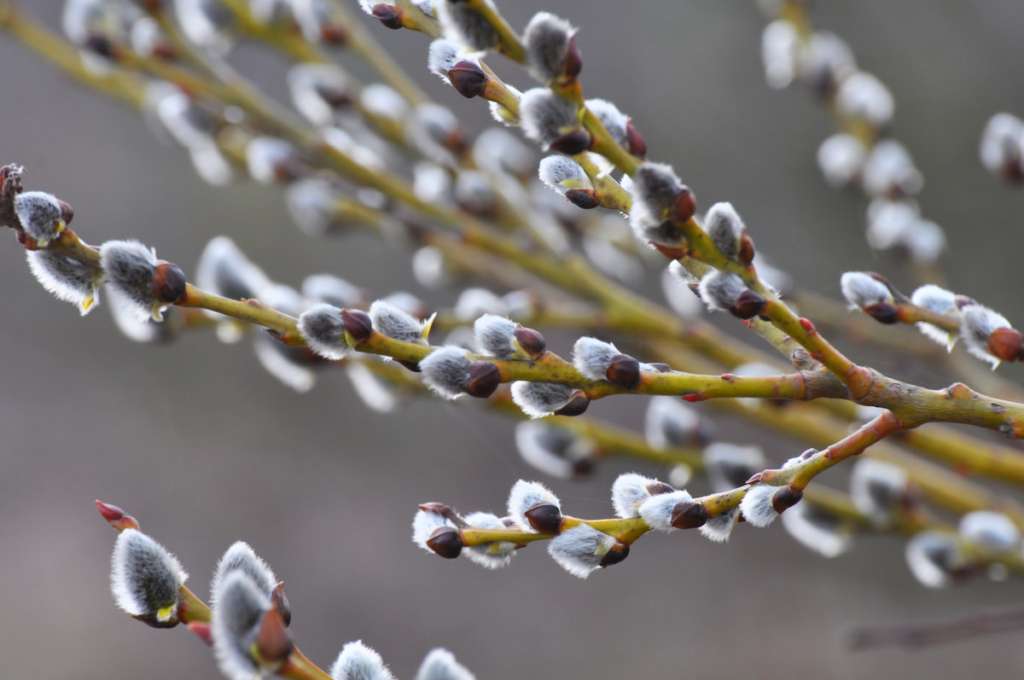
Pussy willow is highly valued in landscaping because of its elegant appearance and natural texture. Garden designers often use it near water features, garden borders, and pathways to create peaceful outdoor environments. The soft catkins add movement and softness to landscapes, making gardens feel more inviting and visually balanced.
One of the greatest advantages of pussy’willow is its versatility in home decoration. Fresh or dried branches are commonly displayed in vases, wreaths, and floral arrangements. Their neutral tones blend beautifully with modern, rustic, and seasonal décor styles. During springtime, pussy willow branches are especially popular for creating natural centerpieces and festive displays.
Creative DIY projects also contribute to the plant’s popularity. Many people use pussy’willow branches to design handmade wreaths, wedding decorations, and artistic crafts. Because the branches maintain their shape well after drying, they can be enjoyed for long periods indoors without losing their charm.
In addition to aesthetics, pussy’willow supports environmental health by attracting pollinators. Early blooming catkins provide valuable food sources for bees when few other flowers are available. This ecological benefit makes pussy willow not only decorative but also environmentally valuable.
Seasonal Care and Growth Cycle
The growth cycle of pussy willow changes beautifully throughout the seasons. In late winter and early spring, the famous catkins emerge before leaves develop. This stage is when the plant reaches peak beauty and becomes most visually striking. Pollinators quickly gather around the catkins, bringing life and movement to the garden.
During summer, pussy’willow produces lush green foliage and experiences rapid growth. Gardeners should continue watering and pruning as needed to maintain shape and encourage healthy branches. Summer is also the ideal season for monitoring pests and ensuring the plant remains vigorous.
Autumn preparation is important for long-term health. Removing dead branches and applying mulch helps protect the roots before winter arrives. In colder climates, extra insulation around younger plants can prevent frost damage and improve survival rates.
Even during winter, pussy’willow remains attractive because of its colorful stems and sculptural branches. The plant’s ability to maintain visual interest year-round makes it one of the most rewarding ornamental shrubs for home gardens.
Conclusion
Pussy willow is a remarkable plant that combines natural beauty, easy maintenance, and environmental value. From its soft spring catkins to its elegant decorative branches, this versatile shrub continues to capture the attention of gardeners and designers around the world. Its ability to thrive in different climates and landscapes makes it suitable for both beginners and experienced plant enthusiasts.
Whether used in outdoor gardens, floral arrangements, or creative crafts, pussy’willow adds charm and sophistication to any setting. With proper care, watering, and pruning, the plant can provide years of beauty and seasonal interest.
As more people embrace eco-friendly landscaping and nature-inspired decoration, pussy willow remains a timeless favorite that perfectly represents renewal, growth, and the beauty of spring.
FAQs
What is a pussy willow plant?
Pussy willow is a type of willow shrub or tree known for its soft, fuzzy catkins that appear in early spring.
How fast does pussy willow grow?
Pussy willow grows quickly and can establish itself within a few growing seasons.
Can pussy willow grow indoors?
Yes, cut branches can be displayed indoors, but full plants grow best outdoors.
What type of soil is best for pussy willow?
Moist, well-drained soil is ideal for healthy growth.
When should pussy willow be pruned?
Pruning is best done after the blooming season ends in spring.
How do you propagate pussy willow from cuttings?
Healthy branches can be placed in water or moist soil until roots develop.
Is pussy willow safe for pets?
Most willow species are generally considered non-toxic, but supervision is still recommended.
Why are pussy willow branches popular in decorations?
Their soft texture and elegant appearance make them perfect for seasonal décor.
Does pussy willow need full sunlight?
It grows best in full sun but can tolerate partial shade.
Can pussy willow survive winter conditions?
Yes, pussy willow is hardy and can survive cold climates with proper care.
You May Also Read: Ronnie and Reggie Kray