Maggots in Bin: How to Get Rid of Them Fast, Clean Your Bin Properly, and Prevent Them from Coming Back

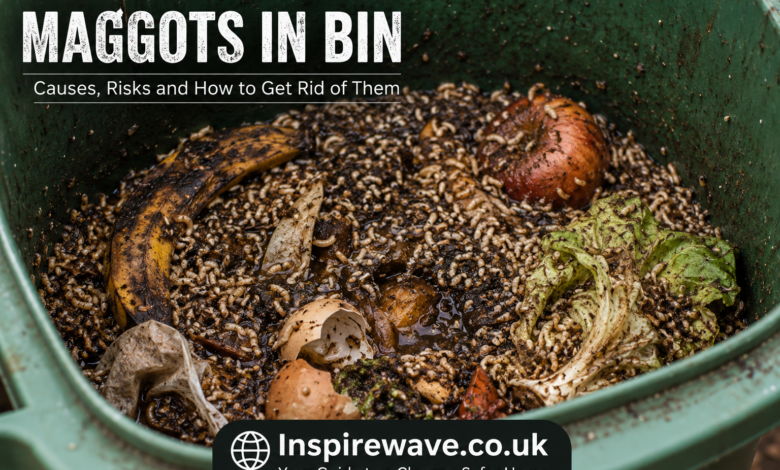
Maggots in bin are the larval stage of flies that develop when insects lay eggs on exposed organic waste such as food scraps, meat, or decaying material. Within hours, these eggs hatch and turn into small white larvae that rapidly feed and grow. This process often surprises homeowners because it happens quickly and spreads fast, especially in warm and humid weather conditions.
The presence of maggots in bin is not just unpleasant but also a strong indicator of poor sanitation or waste management. A neglected bin can become a breeding site for flies, leading to foul odors, bacteria growth, and secondary pest issues. Understanding Maggots in Bin is important for maintaining hygiene, preventing infestations, and ensuring a safe and clean household environment.
What causes maggots in bin: main reasons and triggers
The most common cause of maggots in bin is exposed food waste that attracts flies looking for a place to lay eggs. Items like leftover meat, fish, fruit peels, and spoiled organic matter provide an ideal environment for fly reproduction. Once eggs are laid, they hatch quickly and turn into maggots that feed on the waste.
Another major trigger for maggots in bin is heat combined with moisture. During hot weather, flies reproduce more rapidly, and maggots develop faster than usual. Poor bin hygiene, infrequent cleaning, and overfilled garbage containers also increase the risk. When waste is not sealed properly, even a small opening can lead to a full infestation.
Are maggots in bin dangerous: health and hygiene risks
Maggots in bin are not directly harmful in most cases, but they are a strong warning sign of unhygienic conditions. Since they feed on decaying matter, they can carry bacteria and transfer contamination to nearby surfaces. This increases the risk of foul smells and indirect exposure to harmful microorganisms.
In severe cases, maggots in bin can attract more flies and pests, creating a larger infestation around the home. If waste is left untreated, it can lead to sanitation issues and unpleasant living conditions. While maggots play an important role in nature, their presence in domestic bins should always be treated as a hygiene concern that requires immediate action.
How to get rid of maggots in bin fast: instant removal methods
One of the fastest and most effective ways to eliminate maggots in bin is by using boiling water. Pouring hot water directly into the bin kills maggots instantly by destroying their body structure and stopping their growth cycle. This method is simple, safe, and widely used for immediate results.
Another effective solution for maggots in bin is using bleach mixed with water or strong disinfectants. Salt can also be used to dehydrate and kill larvae naturally. After treatment, the bin should be completely emptied and rinsed thoroughly. These steps ensure that no remaining eggs or larvae survive to restart the infestation cycle.
How to clean your bin properly after maggots infestation
Cleaning is an essential step after dealing with maggots in bin because leftover residue can attract flies again. First, the bin should be fully emptied and any contaminated waste properly disposed of. This prevents further spreading and reduces the chance of re-infestation in the same area.
After emptying, the bin should be scrubbed using hot water and strong detergent or disinfectant. Every corner, lid, and surface must be cleaned thoroughly to remove bacteria and odor. Once cleaned, drying the bin in sunlight helps kill remaining germs and discourages flies from returning, ensuring maggots in bin do not come back quickly.
How to prevent maggots in bin permanently
Preventing maggots in bin starts with proper waste management habits. Always ensure that food waste is sealed in strong plastic bags before disposal. Keeping the bin lid tightly closed is crucial because flies cannot access the waste to lay eggs when the container is properly sealed.
Regular cleaning is equally important in preventing maggots in bin. Washing the bin weekly removes food residue and unpleasant odors that attract flies. During warmer months, extra precautions should be taken because maggots develop faster in heat. Simple hygiene practices can significantly reduce the risk of infestation.
Seasonal risks of maggots in bin
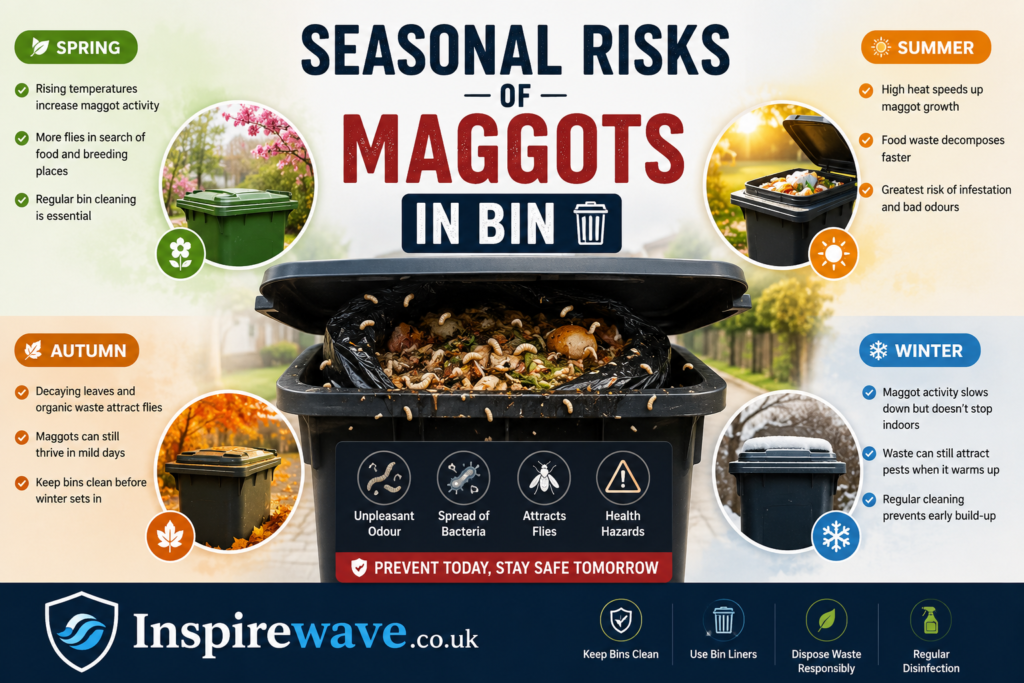
Maggots in bin are far more common during summer months due to high temperatures that accelerate fly breeding cycles. In warm conditions, eggs hatch quickly, and larvae grow faster, turning a small waste issue into a full infestation within a short time. This makes seasonal awareness important for prevention.
During colder months, maggots in bin are less frequent because low temperatures slow down insect activity. However, indoor heating and improperly stored waste can still create conditions for infestations. Understanding seasonal patterns helps homeowners take stronger preventive measures when the risk is highest.
Natural role of maggots in waste decomposition
Although maggots in bin are unwanted in homes, maggots play an important ecological role in breaking down organic matter. They help decompose waste quickly, turning it into simpler substances that enrich soil and support natural ecosystems. Without them, organic waste would take much longer to break down.
Maggots are also used in scientific and medical fields. In forensic science, they help determine time of death, while in medicine, sterile maggots are used to clean infected wounds by removing dead tissue. Despite their negative reputation, maggots in bin represent a natural process that has useful applications in other fields.
Common mistakes that lead to maggots in bin
One of the biggest mistakes that leads to maggots in bin is leaving garbage uncovered for long periods. Open bins allow flies to easily access food waste and lay eggs, which quickly leads to infestation. Overfilled bins also increase the risk of waste exposure and contamination.
Another common mistake is not cleaning bins regularly. Even after waste is removed, leftover residue can attract flies again and cause maggots in bin to reappear. Using weak garbage bags or failing to seal food waste properly also contributes to repeated infestations, especially in warm weather conditions.
When to call professional pest control services
Severe or recurring cases of maggots in bin may require professional pest control services. If infestations return even after cleaning, it may indicate hidden breeding sources or deeper sanitation problems that need expert treatment. Professionals use advanced methods to eliminate both larvae and fly eggs.
Pest control services are also useful when maggots in bin spread beyond the container and affect surrounding areas. They can perform deep cleaning, disinfecting, and preventive treatments to ensure long-term control. Professional help ensures that the infestation is fully removed and does not return.
Conclusion
Maggots in bin are a common but preventable problem caused mainly by exposed food waste, poor hygiene, and warm weather conditions. While they are part of nature’s decomposition process, their presence in homes indicates a need for immediate cleaning and better waste management practices.
By understanding how maggots in bin form, how to remove them, and how to prevent them, homeowners can maintain a cleaner and healthier environment. Regular bin cleaning, proper sealing of waste, and seasonal awareness are key steps to ensuring long-term protection against infestations.
Frequently asked questions
What causes maggots in bin
Maggots in bin are caused by flies laying eggs on exposed organic waste such as food scraps and rotting material.
How do I get rid of maggots in bin instantly
Boiling water, bleach solution, or salt can kill maggots in bin quickly and effectively.
Is bleach safe to use for maggots in bin
Yes, when diluted properly, bleach is safe and highly effective for cleaning and disinfecting bins.
Can maggots in bin spread disease
They can carry bacteria from waste, which may cause contamination if not cleaned properly.
Why do maggots appear more in summer
Warm temperatures speed up fly reproduction, leading to faster egg hatching and maggots in bin.
How do I stop maggots from coming back
Proper sealing of waste, regular cleaning, and keeping bins closed prevents maggots in bin.
Will my bin be collected if it has maggots
Most councils still collect bins, but severe infestations may require cleaning first.
How long does it take for maggots to appear
Maggots in bin can appear within 8 to 24 hours after flies lay eggs in warm conditions.
You May Also Read: Maggots