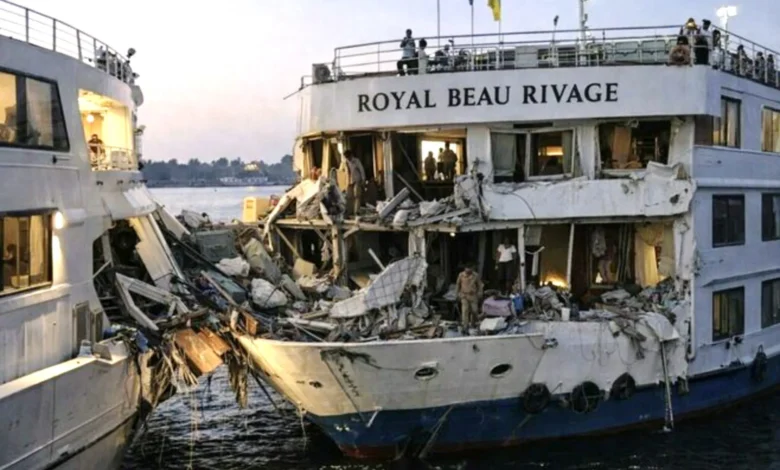
Cruise ship crashes are among the most dramatic and widely discussed events in maritime history, even though they occur very rarely compared to the millions of successful voyages completed each year. These incidents usually involve collisions, groundings, or port-related accidents that affect large passenger vessels carrying thousands of people. Because of their scale, cruise ship crashes often attract global media attention and lead to major investigations.
The importance of studying cruise ship crashes lies in understanding how complex maritime operations can sometimes fail due to human error, mechanical issues, or unpredictable environmental conditions. Each incident provides valuable lessons that help improve international safety regulations. Over the years, these lessons have shaped modern cruise ship design, navigation systems, and emergency response protocols, making sea travel safer than ever before.
What Are Cruise Ship Crashes?
Cruise ship crashes refer to accidents involving large passenger ships that collide with other vessels, stationary structures, or underwater obstacles such as reefs and seabeds. These incidents can also include grounding events where a cruise ship becomes stuck in shallow waters. While not all cruise ship crashes result in casualties, they often lead to operational disruptions, financial losses, and safety investigations.
There are several categories of cruise ship crashes, including ship-to-ship collisions, dock impact accidents during port maneuvers, and grounding incidents caused by navigation errors. Each type has different risk factors, but most are linked to human decision-making, environmental challenges, or technical malfunctions. Understanding these categories is essential for improving prevention strategies in modern maritime transport systems.
Major Cruise Ship Crashes in History
Throughout history, several cruise ship crashes have become global case studies in maritime safety. One of the most famous is the Costa Concordia disaster, where the vessel struck a submerged rock and partially capsized near the Italian coast. This incident highlighted serious risks associated with navigation decisions and emergency response delays during large-scale evacuations.
Other notable cruise ship crashes include various collisions and port accidents involving passenger ships in busy maritime routes. While some incidents caused limited damage, others resulted in tragic consequences and long-term legal actions. Each major case has contributed to the evolution of international maritime regulations, forcing cruise operators to adopt stricter safety measures and improved operational standards.
Causes of Cruise Ship Crashes
Cruise ship crashes are rarely caused by a single factor; instead, they usually result from a combination of human error, environmental conditions, and mechanical issues. Human error remains one of the leading causes, including misjudged navigation decisions, communication failures, or incorrect route planning by bridge officers. Even small mistakes in judgment can escalate into serious maritime incidents.
Weather conditions also play a significant role in cruise ship crashes. Heavy storms, dense fog, strong ocean currents, and reduced visibility can make navigation extremely difficult. In addition, technical failures such as engine breakdowns, steering malfunctions, or radar system errors can leave ships vulnerable. When these factors overlap, the risk of accidents increases significantly, especially in congested shipping areas.
Safety Measures in the Cruise Industry
Modern cruise ships are equipped with advanced technology designed to prevent cruise ship crashes and improve situational awareness at sea. These systems include GPS navigation, radar detection, sonar scanning, and automated collision avoidance tools. These technologies allow ships to detect potential hazards early and adjust course before accidents occur.
In addition to technology, strict crew training programs play a vital role in preventing cruise ship crashes. Crew members undergo continuous safety drills, emergency simulations, and international certification processes. Maritime organizations such as the International Maritime Organization enforce regulations like SOLAS, which ensure that every passenger ship follows strict global safety standards to protect lives at sea.
Real Cruise Ship Crash Incidents Explained
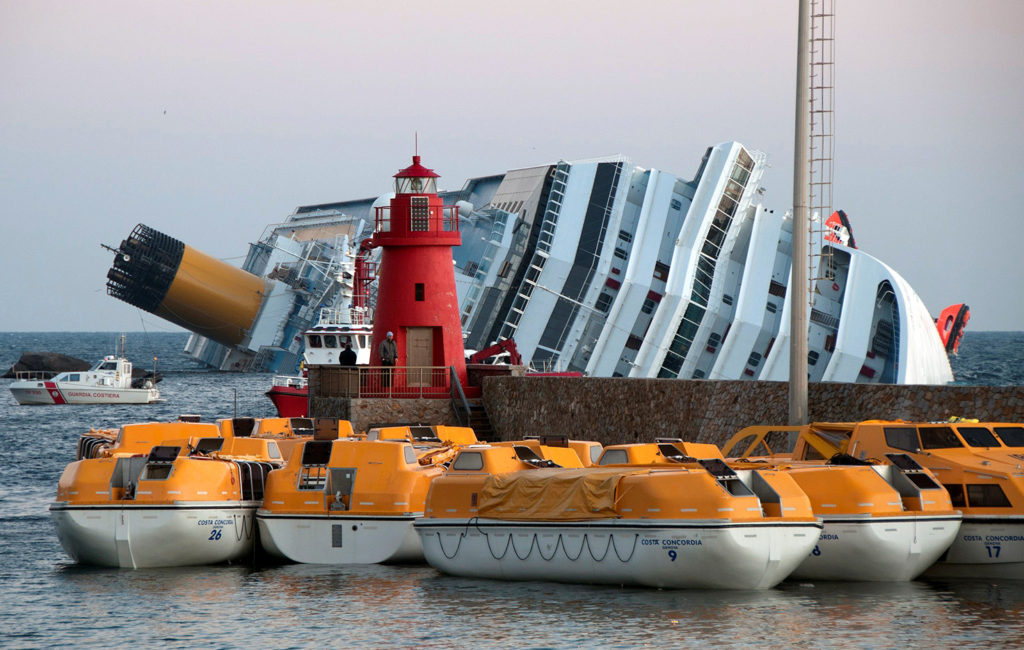
Real-world cruise ship crashes often begin with small technical or human errors that escalate into larger emergencies. For example, a slight navigation miscalculation or delayed response to changing conditions can quickly lead to collisions or groundings. Investigations into these incidents typically focus on identifying the exact sequence of events that led to the accident.
Passenger experiences during cruise ship crashes often involve emergency alarms, evacuation procedures, and lifeboat deployment. In many cases, rescue operations are carried out by coast guards and nearby vessels, ensuring rapid response and minimizing casualties. These real incidents have led to improved evacuation planning and stronger coordination between cruise operators and maritime authorities worldwide.
Impact of Cruise Ship Crashes
Cruise ship crashes can have serious consequences that extend beyond the immediate incident. Human impact may include injuries, fatalities, and psychological trauma for passengers and crew members. Even non-fatal incidents can leave lasting emotional effects, especially when evacuations are chaotic or prolonged.
Environmental damage is another concern, particularly when large ships leak fuel or damage fragile marine ecosystems. Economically, cruise ship crashes can result in massive financial losses due to repairs, lawsuits, and reduced consumer confidence. Cruise companies often face strict regulatory reviews and reputational damage following major incidents.
How Safe Are Cruise Ships Today?
Despite the history of cruise ship crashes, modern cruise travel is considered one of the safest forms of transportation in the world. Cruise ships are built with multiple safety systems, redundant navigation tools, and highly trained crews. Statistical data shows that serious accidents remain extremely rare compared to the high volume of successful voyages.
However, risks still exist, especially from unpredictable weather and human decision-making errors. To address these risks, the cruise industry continues to invest in advanced safety technologies, including artificial intelligence-based navigation systems and real-time hazard detection. These innovations are helping reduce the likelihood of future cruise ship crashes even further.
Future of Cruise Ship Safety
The future of cruise ship safety is strongly linked to automation, artificial intelligence, and smart maritime systems. These technologies are being developed to predict potential dangers before they occur, giving crews more time to react and prevent cruise ship crashes. Automated systems can analyze ocean conditions, traffic patterns, and vessel performance in real time.
Global maritime authorities are also updating regulations to match new technological advancements and emerging risks. Future cruise ships are expected to feature improved structural designs, enhanced emergency systems, and environmentally safer operations. These developments aim to make cruise ship crashes even rarer while improving overall passenger safety and travel confidence.
Conclusion
Cruise ship crashes, while rare, remain an important subject in maritime safety studies because they reveal how complex and interconnected sea travel systems can fail under certain conditions. Each incident has contributed to stronger safety regulations, better technology, and improved crew training across the global cruise industry.
Today, cruise travel is safer than ever before due to continuous innovation and strict international standards. Although cruise ship crashes cannot be completely eliminated, ongoing advancements in navigation systems, automation, and safety protocols are significantly reducing risks and ensuring safer journeys for millions of passengers worldwide.
FAQs
What are cruise ship crashes?
Cruise ship crashes are maritime accidents involving passenger ships colliding with other vessels, objects, or running aground.
How common are cruise ship crashes?
They are very rare compared to the millions of safe cruises completed every year worldwide.
What causes cruise ship crashes?
Most are caused by human error, bad weather, or mechanical failures.
Are cruise ships safe for travel?
Yes, modern cruise ships are considered very safe due to advanced safety systems and strict regulations.
What is the most famous cruise ship crash?
The Costa Concordia disaster is one of the most well-known cruise ship accidents in history.
How do cruise ships avoid accidents?
They use advanced navigation systems, trained crews, and international safety protocols.
You May Also Read: Maya Le Tissier