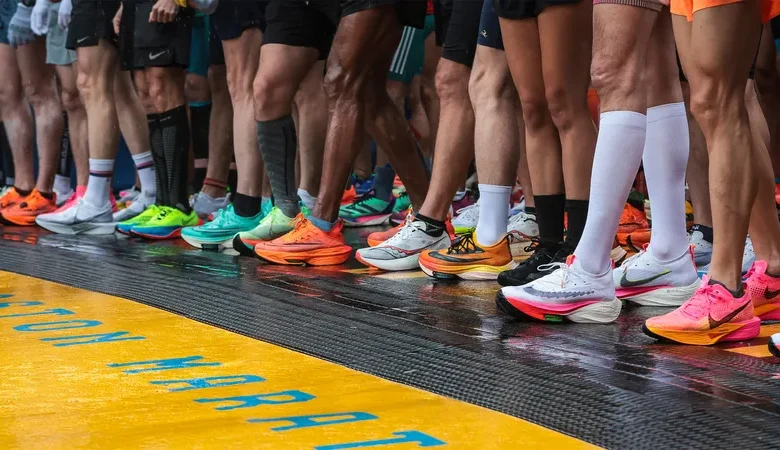
Running a marathon is one of the most respected achievements in the world of endurance sports. Every year, thousands of people challenge themselves to complete this demanding race, whether for fitness, charity, personal goals, or competition. One of the most common questions asked by beginners is, “how long is a marathon in km?” Understanding the official distance helps runners appreciate the scale of this remarkable event.
The marathon has a rich history and remains one of the most popular long-distance races worldwide. From major international competitions to local community events, runners of all abilities participate in marathons. Knowing How Long Is a Marathon in KM is essential for proper training, race preparation, and understanding the physical commitment required to cross the finish line.
What Is a Marathon?
A marathon is a long-distance running event that tests endurance, determination, and mental strength. Unlike shorter races, a marathon requires months of preparation and a carefully structured training plan. Completing a marathon is often considered a milestone achievement because it demands both physical fitness and strong mental resilience throughout the race.
The modern marathon is recognised globally and attracts participants from all walks of life. Professional athletes compete for records and titles, while recreational runners aim to achieve personal goals. The event symbolises perseverance and dedication, making it one of the most celebrated challenges in the sporting world.
How Long Is a Marathon in KM?
The official answer to how long is a marathon in km is 42.195 kilometres. This precise distance is recognised by international athletics organisations and is used in all officially sanctioned marathon races across the globe. Whether the race takes place in London, Berlin, New York, or Tokyo, the marathon distance remains exactly the same.
Many people are surprised that a marathon is not simply 42 kilometres. The additional 195 metres are part of the official measurement and play a significant role in maintaining consistency across all events. Understanding how long is a marathon in km helps runners set realistic expectations and prepare effectively for race day.
Why Is a Marathon Exactly 42.195 Kilometres?
The marathon distance was not always standardised. In the early days of marathon racing, distances varied between competitions. Different organisers used different routes, resulting in races of varying lengths. This created confusion and inconsistency among athletes and event organisers.
The current distance originated during the 1908 Olympic Games in London. The course was adjusted so that it started at Windsor Castle and finished in front of the royal box at the Olympic Stadium. This route measured 42.195 kilometres and became so popular that it was later adopted as the official marathon distance worldwide.
Marathon Distance Compared with Other Races
When examining race distances, the marathon stands out as one of the most challenging standard road-running events. A 5K race covers just five kilometres, while a 10K race doubles that distance. These races are often chosen by beginners because they require less training and recovery time.
A half marathon measures 21.0975 kilometres, exactly half the length of a full marathon. Ultra-marathons exceed the marathon distance and can range from 50 kilometres to well over 100 kilometres. Comparing these races helps runners understand how long is a marathon in km and where it sits within the broader world of endurance running.
How Long Does It Take to Complete a Marathon?
Marathon completion times vary significantly depending on experience, age, fitness level, and race conditions. Elite athletes can finish a marathon in just over two hours, demonstrating extraordinary endurance and speed developed through years of professional training and competition.
For recreational runners, marathon times are usually much longer. Many participants complete the distance within four to six hours, while some take even longer depending on their pace and strategy. Regardless of finishing time, completing 42.195 kilometres is a significant accomplishment that requires dedication and preparation.
Training for a 42.195 Kilometre Marathon
Preparing for a marathon requires a structured training programme that gradually increases running distance over time. Most marathon plans last several months and include long runs, recovery sessions, speed training, and rest days. This progressive approach allows the body to adapt safely to the demands of long-distance running.
Understanding how long is a marathon in km is crucial when creating a training schedule. Runners need to build endurance steadily rather than attempting long distances too quickly. Consistent training helps improve cardiovascular fitness, muscular strength, and mental confidence, all of which are essential for marathon success.
Nutrition and Hydration for Marathon Running

Nutrition plays a major role in marathon performance. Runners need a balanced diet that provides sufficient carbohydrates, protein, healthy fats, vitamins, and minerals. Proper nutrition supports energy production, muscle recovery, and overall physical health throughout the training process.
Hydration is equally important before, during, and after a marathon. Dehydration can negatively affect performance and increase the risk of fatigue. Because how long is a marathon in km involves covering a considerable distance, runners must develop effective hydration strategies that support endurance and maintain optimal performance levels.
Challenges of Running a Marathon
Running a marathon presents numerous physical and mental challenges. As the race progresses, muscles become fatigued, energy reserves decrease, and maintaining pace becomes increasingly difficult. Even experienced runners encounter moments of discomfort that test their determination and resilience.
Many marathon participants experience what is commonly referred to as “the wall.” This occurs when the body’s glycogen stores become depleted, leading to sudden fatigue and reduced performance. Proper pacing, nutrition, and training can help minimise these difficulties and improve the overall marathon experience.
Health Benefits of Marathon Running
Training for a marathon offers a variety of physical health benefits. Regular running strengthens the cardiovascular system, improves lung capacity, increases stamina, and supports weight management. These improvements contribute to overall health and can reduce the risk of several lifestyle-related conditions.
Marathon preparation can also provide important mental health benefits. Many runners report increased confidence, reduced stress levels, and improved emotional wellbeing. Setting a goal such as completing 42.195 kilometres encourages discipline and perseverance, qualities that often extend beyond sport into everyday life.
Interesting Facts About Marathon Running
The marathon has a fascinating history that continues to inspire athletes around the world. Major events such as the London Marathon, Boston Marathon, and Berlin Marathon attract tens of thousands of runners and millions of spectators each year. These races have become iconic celebrations of human endurance.
World records continue to push the boundaries of what athletes can achieve. Advances in training methods, sports science, and nutrition have contributed to faster performances over time. Learning how long is a marathon in km is often the starting point for discovering the remarkable stories and achievements associated with marathon running.
Common Marathon Mistakes to Avoid
One of the most common mistakes among first-time marathon runners is starting too quickly. Excitement and adrenaline often encourage participants to run faster than planned, leading to fatigue later in the race. A controlled and consistent pace is generally the most effective strategy.
Another frequent mistake involves neglecting recovery and nutrition. Proper rest allows the body to adapt to training, while adequate nutrition supports energy levels and muscle repair. Understanding how long is a marathon in km reminds runners that marathon success depends on preparation, patience, and smart decision-making.
Conclusion
The answer to how long is a marathon in km is simple yet impressive: 42.195 kilometres. This official distance has a unique history and remains one of the most recognised measurements in athletics. Every marathon runner, regardless of ability or experience, faces the same challenge of covering this demanding distance.
Whether you are considering your first marathon or simply learning about the sport, understanding the official marathon distance is an important foundation. With proper training, good nutrition, and determination, completing a marathon can become one of life’s most rewarding achievements. The journey across 42.195 kilometres represents commitment, endurance, and the extraordinary potential of the human body and mind.
FAQs
How long is a marathon in km?
A marathon is officially 42.195 kilometres long.
Why is a marathon exactly 42.195 kilometres?
The distance originated from the 1908 London Olympics and later became the international standard.
How many miles is a marathon?
A marathon is approximately 26.2 miles long.
How long does it take the average person to run a marathon?
Most recreational runners finish a marathon in around four to six hours.
Can beginners run a marathon?
Yes, beginners can complete a marathon with a structured training plan and adequate preparation.
What is the difference between a marathon and a half marathon?
A half marathon covers 21.0975 kilometres, which is exactly half the distance of a full marathon.
You May Also Read: Best Papa a la Huancaina Near Me