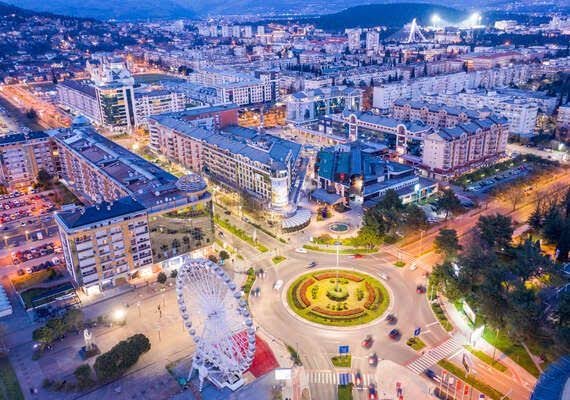
Podgorica, the capital and largest city of Montenegro, is a fascinating destination that combines centuries of history with a modern urban lifestyle. While many travellers focus on Montenegro’s breathtaking Adriatic coastline, Podgorica offers a completely different perspective of the country. It is a city where ancient ruins stand alongside contemporary architecture, green parks provide peaceful retreats, and lively cafés create a welcoming atmosphere throughout the year. As the nation’s political, cultural, and economic centre, Podgorica serves as an excellent starting point for exploring Montenegro’s diverse landscapes and traditions.
Unlike some of Europe’s more crowded capitals, Podgorica provides visitors with an authentic travel experience without overwhelming tourist crowds. The city’s strategic location makes it easy to reach mountains, lakes, rivers, and the Adriatic Sea within a short drive. Whether you are passionate about history, architecture, local cuisine, or outdoor adventures, Podgorica has something to offer every type of traveller. This comprehensive guide explores everything you need to know before visiting Montenegro’s underrated capital.
Where Is Podgorica?
Podgorica is located in central Montenegro, positioned where several rivers meet, including the Morača and Ribnica rivers. This advantageous location has made the city an important settlement for thousands of years. Surrounded by rolling hills and fertile plains, Podgorica enjoys easy access to many of Montenegro’s natural attractions. The city is well connected by road, rail, and air, making it the country’s primary transportation hub for domestic and international visitors alike.
The climate in Podgorica is Mediterranean with continental influences. Summers are warm, sunny, and dry, making them ideal for sightseeing and outdoor dining, while winters remain relatively mild compared to many European capitals. Spring and autumn are especially pleasant, offering comfortable temperatures, colourful landscapes, and fewer tourists. These seasons provide excellent opportunities to explore historical landmarks, local markets, and nearby national parks without the summer crowds.
History of Podgorica
Podgorica has a rich and complex history that stretches back more than two thousand years. Archaeological evidence suggests that the surrounding region was inhabited during Roman times, with the nearby ancient settlement of Doclea serving as an important cultural and commercial centre. Throughout the centuries, the city experienced the influence of Byzantine, Ottoman, and Slavic civilizations, each leaving behind architectural and cultural traces that continue to shape Podgorica today.
During the Ottoman era, Podgorica developed into a fortified town with marketplaces, mosques, and defensive structures. Later, it became part of Yugoslavia before Montenegro gained independence in 2006. Modern Podgorica has undergone significant redevelopment, transforming into a vibrant European capital while preserving historical monuments such as the Clock Tower, Ribnica Bridge, and ancient churches. Today, visitors can experience a fascinating blend of historical heritage and contemporary urban development throughout the city.
Top Attractions in Podgorica
One of Podgorica’s most recognisable landmarks is the impressive Millennium Bridge, which spans the Morača River with its elegant modern design. The bridge has become a symbol of the city’s transformation and offers spectacular views of the surrounding landscape. Nearby, visitors can stroll along scenic riverbanks or relax in beautifully maintained parks. The Cathedral of the Resurrection of Christ is another architectural masterpiece, admired for its impressive frescoes, intricate stonework, and magnificent interior.
History enthusiasts will appreciate attractions such as St. George Church, one of the city’s oldest religious buildings, the Ottoman-era Clock Tower, and the ancient Ribnica Bridge. Independence Square serves as the city’s social and commercial centre, surrounded by cafés, restaurants, and shops. Nature lovers should also visit Gorica Hill Park, which provides walking trails, panoramic viewpoints, and peaceful green spaces ideal for escaping the city’s busy streets.
Best Things to Do in Podgorica
Exploring Podgorica on foot allows visitors to experience the city’s relaxed atmosphere and discover hidden gems around every corner. Local markets showcase fresh produce, handmade crafts, and regional delicacies that reflect Montenegro’s cultural traditions. Museums and art galleries provide valuable insights into the country’s fascinating history, while riverside promenades offer beautiful scenery for leisurely walks and photography.
As evening approaches, Podgorica comes alive with vibrant cafés, restaurants, and entertainment venues. Visitors can enjoy traditional Montenegrin cuisine accompanied by locally produced wines, many originating from nearby vineyards. Outdoor enthusiasts can also participate in cycling, hiking, and river excursions around the surrounding countryside. The city’s welcoming atmosphere and compact layout make it easy to explore multiple attractions within a single day.
Food and Drink in Podgorica
Montenegrin cuisine is heavily influenced by Mediterranean, Balkan, and Ottoman culinary traditions. Restaurants throughout Podgorica serve delicious grilled meats, freshly baked bread, seafood, cheeses, and seasonal vegetables prepared using traditional recipes passed down through generations. Popular dishes include ćevapi, kačamak, Njeguški pršut, and fresh river fish. Meals are often accompanied by locally produced olive oil, herbs, and homemade desserts that highlight regional flavours.
Podgorica is also known for its thriving café culture and outstanding wine production. The nearby vineyards produce internationally recognised wines, making wine tasting a popular activity for visitors. Coffee shops line the city’s streets, creating lively social spaces where locals gather throughout the day. Whether dining in elegant restaurants or small family-owned establishments, visitors will enjoy warm hospitality and authentic flavours that represent Montenegro’s rich culinary heritage.
Where to Stay and Getting Around
Accommodation options in Podgorica cater to every budget and travel style. Luxury hotels provide premium facilities, wellness centres, and fine dining experiences, while boutique hotels offer personalised service and stylish interiors. Budget-conscious travellers can choose from guesthouses, hostels, and affordable apartments located near the city centre. Staying close to Independence Square allows easy access to major attractions, shopping districts, and public transport.
Getting around Podgorica is simple thanks to its compact layout and reliable transportation network. Public buses connect different neighbourhoods, while taxis remain affordable and widely available. Many attractions are within walking distance of one another, allowing visitors to enjoy the city’s parks, rivers, and historical sites without requiring extensive travel. Car rentals are also available for those planning day trips to Lake Skadar, Ostrog Monastery, or Montenegro’s stunning Adriatic coastline.
Day Trips, Shopping, and Culture
Podgorica serves as an excellent base for exploring Montenegro’s remarkable natural beauty. Lake Skadar National Park offers birdwatching, boat tours, and breathtaking scenery, while Cetinje introduces visitors to Montenegro’s royal heritage. Ostrog Monastery, dramatically built into a cliff face, attracts pilgrims and tourists alike. Nature lovers can also visit Niagara Falls on the Cijevna River, particularly during wetter months when the waterfalls are at their most impressive.
Within the city itself, shopping centres, traditional markets, and souvenir shops provide plenty of opportunities to purchase local products, handmade crafts, wines, and regional delicacies. Throughout the year, Podgorica hosts cultural festivals featuring music, art, theatre, and food, celebrating Montenegro’s diverse traditions. Visitors will also notice the friendliness of local residents, who often welcome tourists with genuine hospitality and helpful advice about the city’s hidden attractions.
Essential Travel Tips

Travellers visiting Podgorica should carry euros, as Montenegro uses the Euro despite not being a member of the European Union. Credit cards are widely accepted in hotels, restaurants, and shopping centres, although carrying some cash is useful for local markets and smaller businesses. English is commonly spoken in tourist areas, making communication relatively straightforward for international visitors. Comfortable walking shoes are recommended because many attractions are best explored on foot.
Podgorica is considered one of the safest capitals in the Balkans, with low levels of serious crime and a welcoming environment for visitors. Standard travel precautions are generally sufficient, particularly in busy public spaces. Planning your visit during spring or autumn offers comfortable weather and fewer crowds, while summer provides longer daylight hours for sightseeing. Combining Podgorica with nearby national parks and coastal towns creates an unforgettable Montenegrin travel experience.
Conclusion
Podgorica may not always receive the same attention as Montenegro’s coastal resorts, but it offers an authentic and rewarding travel experience filled with history, culture, nature, and modern attractions. From ancient churches and Ottoman landmarks to stylish bridges, riverside parks, and lively cafés, the city showcases the many sides of Montenegro in one accessible destination.
Whether you are planning a weekend getaway or using the city as a gateway to explore the rest of Montenegro, Podgorica promises memorable experiences, warm hospitality, and countless opportunities for discovery. Its blend of historical charm, contemporary development, and natural beauty makes it one of the Balkans’ most underrated capitals and a destination well worth adding to any European travel itinerary.
FAQs
Is Podgorica worth visiting?
Yes. Podgorica offers history, culture, green spaces, and easy access to Montenegro’s top attractions.
What is Podgorica famous for?
It is famous for being Montenegro’s capital, the Millennium Bridge, historic landmarks, and riverside scenery.
How many days should I spend in Podgorica?
Two to three days are enough to explore the city and enjoy nearby day trips.
What is the best time to visit Podgorica?
Spring and autumn provide the most comfortable weather for sightseeing.
Is Podgorica safe for tourists?
Yes. It is generally considered a safe destination with a welcoming atmosphere.
What currency is used in Podgorica?
The official currency used is the Euro (€).
Can you explore Podgorica on foot?
Yes. Most major attractions are located within walking distance of the city centre.
What are the best day trips from Podgorica?
Lake Skadar, Ostrog Monastery, Cetinje, and the Adriatic coast are among the most popular excursions.
Is Podgorica expensive for travellers?
No. It is generally more affordable than many other European capital cities.
What local foods should I try in Podgorica?
Try ćevapi, Njeguški pršut, kačamak, grilled meats, local cheeses, and Montenegrin wines.
You May Also Read: How Long Is a Marathon in KM