A microclimate is a fascinating part of our environment that often goes unnoticed, even though it influences daily life in many ways. If you have ever wondered what is a microclimate, the answer is simpler than it may seem. It refers to a small area where the weather conditions differ from the surrounding region. These local differences can affect temperature, humidity, sunlight, wind, and rainfall within just a few metres.
Understanding what is a microclimate is useful for gardeners, farmers, architects, and anyone interested in weather or the environment. From sheltered gardens to busy city centres, microclimates exist almost everywhere. Learning how they form and why they matter can help people make better decisions about planting, building, and managing outdoor spaces.
What Is a Microclimate?
A microclimate is a localised climate that differs from the broader climate of the surrounding area. It may be found in a garden, woodland, valley, greenhouse, or even a single street within a city. These small-scale climate variations occur because local features influence how heat, moisture, sunlight, and wind behave in a particular location.
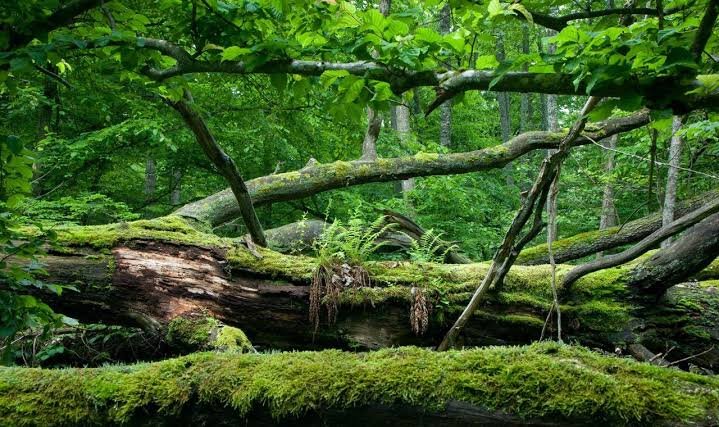
When people ask what is a microclimate, they are often surprised to discover how common they are. For example, a south-facing wall may stay warmer throughout the day than an open field nearby. Likewise, a shaded woodland can remain cooler and more humid than surrounding grassland. These subtle differences create unique environments that support different plants, animals, and activities.
What Causes a Microclimate?
Several natural and human-made factors combine to create microclimates. Landforms such as hills, valleys, and slopes affect the amount of sunlight an area receives and influence how cold or warm air moves. Valleys often collect cooler air during the night, while elevated areas may experience stronger winds and greater exposure to sunlight.
Buildings, trees, fences, lakes, rivers, and even roads also shape local weather conditions. Brick walls absorb heat during the day and slowly release it after sunset, creating warmer surroundings. Trees provide shade and reduce wind speed, while water bodies help moderate temperature changes. These combined influences explain what is a microclimate and why no two places are exactly alike.
Examples of Microclimates
Gardens provide some of the clearest examples of microclimates. A flower bed beside a sunny wall usually stays warmer than an exposed corner of the same garden. Gardeners often use these warmer locations to grow plants that might otherwise struggle in cooler conditions, allowing a greater variety of flowers, herbs, and vegetables to thrive.
Urban environments also create distinctive microclimates. Concrete, brick, and asphalt absorb heat during the day and release it slowly at night, making cities noticeably warmer than nearby countryside. Forests, coastal regions, mountain valleys, parks, and greenhouses all have their own unique microclimates, each shaped by local surroundings and natural features.
Why Microclimates Matter
Understanding what is a microclimate has practical benefits for many industries and everyday activities. Farmers rely on local climate knowledge when choosing crops, while gardeners use sheltered areas to protect sensitive plants from frost and strong winds. These local conditions often determine whether plants flourish or fail.
Microclimates are equally important in architecture and urban planning. Designers can position buildings, trees, and outdoor spaces to improve comfort, reduce energy consumption, and minimise the effects of extreme weather. As climate change continues to influence weather patterns, recognising local climate differences has become increasingly valuable for creating sustainable communities.
Factors That Influence a Microclimate
Temperature is perhaps the most noticeable factor affecting a microclimate, but many other elements contribute as well. Humidity, rainfall, wind direction, elevation, soil moisture, and the amount of sunlight all interact to create unique local weather conditions. Even the colour and texture of surfaces influence how much heat is absorbed or reflected.
Human activities also play a significant role in shaping local climates. Expanding cities, paved roads, buildings, and industrial developments alter airflow and increase heat retention. On the other hand, parks, gardens, ponds, and woodland help cool the surrounding area. These influences demonstrate why understanding what is a microclimate is essential for environmental planning and sustainable development.
How to Identify and Create a Microclimate
Identifying a microclimate involves observing local weather conditions over time. Notice which areas receive the most sunlight, remain shaded for longer periods, or experience stronger winds. Temperature differences between locations can often be detected simply by spending time outdoors during different times of the day and throughout the seasons.
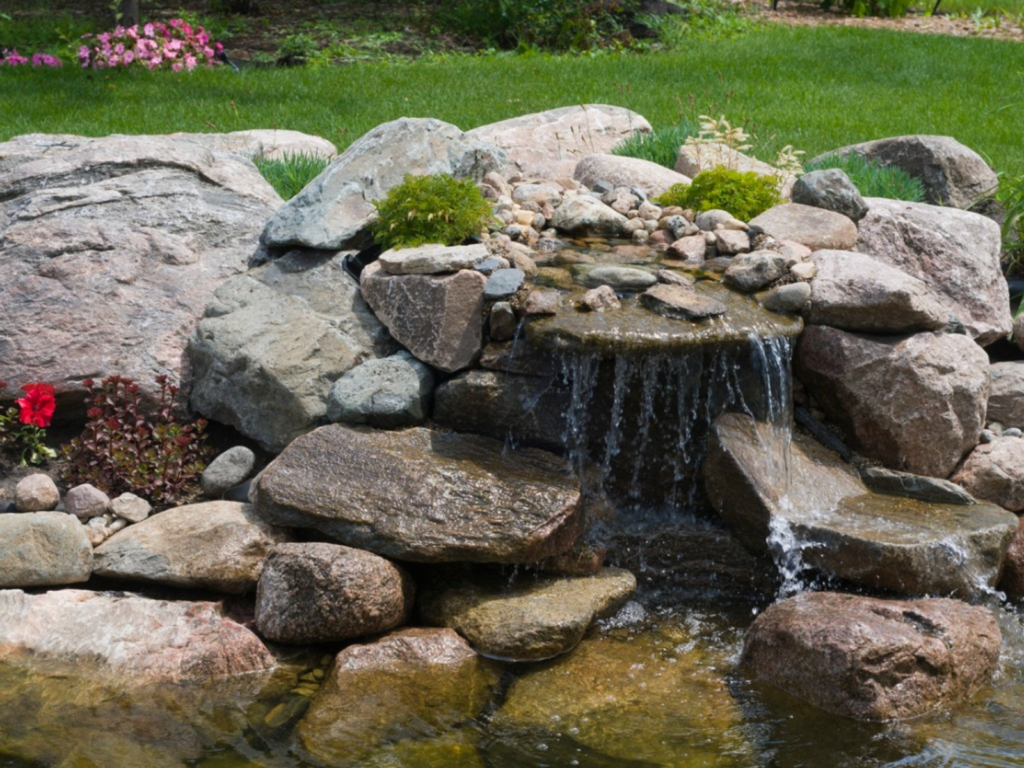
Creating a microclimate is possible with careful planning. Planting trees, installing fences, building walls, or adding water features can all modify local conditions. Gardeners frequently create sheltered spaces that protect plants from harsh weather, while homeowners use landscaping techniques to improve comfort and energy efficiency around their properties.
Microclimate vs Macroclimate
Although the terms sound similar, microclimate and macroclimate describe very different scales of weather. A macroclimate refers to the climate of a large region, country, or continent. For example, the United Kingdom has a temperate maritime climate with generally mild temperatures and regular rainfall throughout the year.
A microclimate, however, focuses on much smaller areas where local conditions differ from the regional climate. A sheltered courtyard, woodland clearing, or coastal cliff may each experience unique weather patterns despite being located within the same broader climate zone. This distinction helps explain why local observations can vary so greatly from regional weather forecasts.
Common Misconceptions About Microclimates
Many people believe that a microclimate always means warmer weather, but this is not true. Some microclimates are cooler than their surroundings because of shade, dense vegetation, higher elevation, or nearby water. Others may be wetter, drier, windier, or more sheltered depending on local geography and environmental conditions.
Another common misconception is that microclimates only occur in rural areas. In reality, towns and cities contain numerous microclimates created by buildings, roads, parks, and rivers. Understanding what is a microclimate helps people appreciate how both natural landscapes and human development influence local weather patterns.
Conclusion
Now that you understand what is a microclimate, it becomes easier to recognise these unique climate zones in everyday life. Whether found in a quiet garden, a busy city centre, a forest, or a coastal village, microclimates shape the environment in ways that affect plants, wildlife, buildings, and people alike.
Learning about microclimates encourages smarter gardening, more sustainable construction, and better environmental management. As interest in climate awareness continues to grow, understanding these local weather variations provides valuable knowledge that benefits homeowners, farmers, planners, and anyone who enjoys exploring the natural world.
FAQs
What is a microclimate?
A microclimate is a small area where weather conditions differ from the surrounding region.
What causes a microclimate?
Microclimates are created by factors such as sunlight, landforms, vegetation, water, buildings, soil, and wind patterns.
What is an example of a microclimate?
A warm garden beside a brick wall, a shaded woodland, or a city centre that is warmer than nearby countryside are common examples.
Why are microclimates important?
They influence gardening, farming, wildlife, architecture, urban planning, and environmental conservation.
What is the difference between a microclimate and a macroclimate?
A microclimate affects a small local area, while a macroclimate describes the climate of a much larger region or country.
You May Also Read: Spaghetti