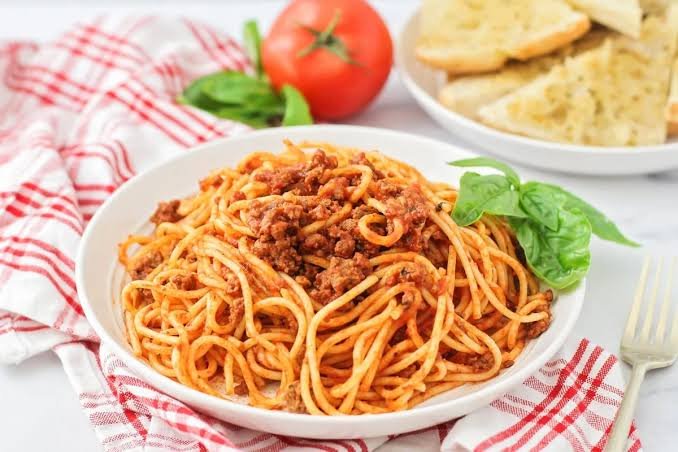
Spaghetti is one of the most recognisable and widely enjoyed pasta varieties in the world. Originating from Italy, this long, thin, cylindrical pasta has become a staple in kitchens across continents. Whether served with a rich tomato-based sauce, creamy carbonara, fragrant pesto, or simple garlic and olive oil, spaghetti offers endless possibilities for creating delicious meals. Its versatility, affordability, and satisfying texture have made it a favourite choice for home cooks and professional chefs alike.
Beyond being a comforting meal, spaghetti represents centuries of culinary tradition and innovation. It has evolved from a simple Italian staple into an international favourite adapted by different cultures with unique ingredients and cooking techniques. Today, spaghetti is enjoyed during family dinners, festive celebrations, and casual weeknight meals. This comprehensive guide explores the history of spaghetti, its nutritional value, cooking techniques, popular recipes, serving ideas, and practical tips to help you prepare perfect spaghetti every time.
What Is Spaghetti?
Spaghetti is a type of pasta traditionally made from durum wheat semolina and water. The dough is mixed, shaped into long strands, and either dried for extended storage or sold fresh for immediate use. Its name comes from the Italian word spago, meaning “string” or “twine,” perfectly describing its distinctive shape. Thanks to its smooth texture and medium thickness, spaghetti pairs exceptionally well with a wide variety of sauces ranging from light olive oil-based recipes to hearty meat ragù.
Unlike shorter pasta shapes such as penne or fusilli, spaghetti provides a unique eating experience by wrapping around a fork and evenly coating each strand with sauce. Modern food manufacturers also produce whole wheat, gluten-free, and vegetable-based spaghetti to suit different dietary preferences. Regardless of the variation, spaghetti remains one of the world’s most beloved pasta types because it is easy to cook, highly adaptable, and suitable for both simple and gourmet recipes.
The History of Spaghetti
The history of spaghetti is closely connected to the broader history of pasta, which dates back many centuries. While different cultures developed noodle-like foods independently, Italy became the birthplace of the spaghetti we know today. Southern Italy, particularly the region around Naples, played a significant role in popularising dried spaghetti thanks to its ideal climate for drying pasta naturally. During the Middle Ages, improved milling techniques and wheat cultivation contributed to spaghetti becoming an affordable and reliable food source.
As Italian immigrants travelled around the world during the nineteenth and twentieth centuries, they introduced spaghetti to new countries where it quickly gained popularity. Over time, different cultures adapted spaghetti recipes by incorporating local ingredients and flavours. Today, spaghetti symbolises Italian cuisine while also serving as a global comfort food enjoyed in countless creative variations. From traditional family recipes to modern fusion dishes, spaghetti continues to connect people through its rich culinary heritage.
Types of Spaghetti
Traditional spaghetti is made using durum wheat semolina, prized for its firm texture and ability to remain al dente after cooking. Whole wheat spaghetti has become increasingly popular due to its higher fibre content and nutty flavour, making it a healthier alternative for many consumers. Gluten-free spaghetti, often made from rice, corn, quinoa, or legumes, provides an excellent option for individuals with gluten intolerance or coeliac disease while maintaining a satisfying texture.
Fresh spaghetti differs from dried spaghetti in both taste and preparation. Fresh pasta cooks much faster and offers a softer texture, making it ideal for delicate sauces. Dried spaghetti, on the other hand, has a longer shelf life and develops a firmer bite when cooked correctly. Vegetable-based spaghetti, created from ingredients such as zucchini, carrots, or squash, has also gained popularity among health-conscious eaters seeking lower-carbohydrate alternatives without sacrificing presentation or flavour.
Nutritional Value of Spaghetti
Spaghetti provides an excellent source of carbohydrates, which supply the body with energy for daily activities and exercise. It also contains moderate amounts of protein, essential vitamins, and minerals depending on the type of flour used. Whole wheat spaghetti offers additional dietary fibre that supports digestion and helps maintain stable blood sugar levels. When paired with vegetables, lean proteins, and healthy fats, spaghetti becomes part of a balanced and nutritious meal suitable for various lifestyles.
Many misconceptions suggest that spaghetti is unhealthy, but this largely depends on portion sizes and accompanying ingredients. Heavy cream sauces, excessive cheese, and processed meats can significantly increase calories, whereas tomato-based sauces, fresh vegetables, seafood, and olive oil create lighter yet satisfying dishes. Choosing quality ingredients and maintaining balanced portions allows spaghetti to remain an enjoyable component of a healthy diet without compromising flavour or nutrition.
How to Cook Spaghetti Perfectly
Cooking perfect spaghetti begins with using a large pot filled with plenty of water. This allows the pasta strands to move freely and prevents sticking during cooking. Adding salt once the water reaches a rolling boil enhances the pasta’s natural flavour. Spaghetti should be stirred occasionally after being added to the pot to ensure even cooking. Following the recommended cooking time on the package helps achieve the ideal al dente texture, where the pasta remains slightly firm when bitten.
One of the most common mistakes is overcooking spaghetti, resulting in a soft and mushy texture that fails to hold sauce effectively. Another mistake is rinsing the pasta after draining, which removes the natural starch that helps sauces cling to each strand. Instead, reserve a small amount of pasta cooking water before draining. This starchy liquid can be mixed into sauces to create a silky consistency that beautifully coats the spaghetti while enhancing flavour and texture.
Best Spaghetti Sauce Recipes
Spaghetti is incredibly versatile because it pairs with an impressive variety of sauces. Classic marinara combines ripe tomatoes, garlic, onions, basil, and olive oil for a fresh and simple meal. Rich Bolognese sauce features slow-cooked minced meat, tomatoes, vegetables, and herbs, creating deep flavours perfect for comforting family dinners. Carbonara, one of Italy’s most iconic dishes, blends eggs, Pecorino Romano cheese, black pepper, and cured pork into a creamy sauce without using cream.
Other popular options include fragrant pesto made from basil, pine nuts, garlic, Parmesan, and olive oil, as well as aglio e olio, which highlights the simplicity of garlic, chilli flakes, parsley, and extra virgin olive oil. Seafood spaghetti featuring prawns, mussels, or clams offers fresh coastal flavours, while vegetarian sauces incorporate mushrooms, roasted vegetables, spinach, or lentils. These countless variations ensure that spaghetti remains exciting regardless of personal taste preferences or dietary requirements.
Serving, Storage, and Common Mistakes
Serving spaghetti with complementary side dishes enhances the overall dining experience. Fresh green salads, garlic bread, roasted vegetables, and grilled meats pair wonderfully with various spaghetti recipes. Garnishing with freshly grated Parmesan cheese, chopped basil, parsley, or cracked black pepper adds colour and extra flavour. Wine enthusiasts often enjoy pairing tomato-based spaghetti with medium-bodied red wines, while seafood dishes complement crisp white wines.
Proper storage helps preserve leftover spaghetti safely and maintain its quality. Cooked spaghetti should be refrigerated in airtight containers and consumed within several days. It can also be frozen for longer storage, although separating the pasta from the sauce often delivers better results during reheating. Common mistakes such as using too little cooking water, forgetting to salt the water, overcooking the pasta, or adding too much sauce can easily be avoided by following simple cooking techniques and paying attention to detail.
Why Spaghetti Remains a Timeless Favourite
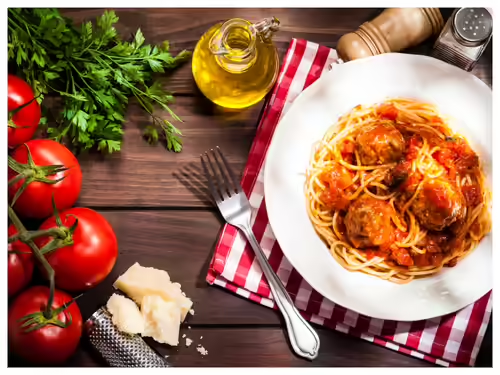
Spaghetti has earned its place as one of the world’s most enduring comfort foods because it combines simplicity, versatility, and exceptional flavour. It adapts effortlessly to different ingredients, cooking styles, and cultural traditions while remaining affordable and accessible for families everywhere. Whether prepared as a quick weekday dinner or an elaborate weekend feast, spaghetti consistently delivers satisfying meals that bring people together around the dining table.
Its universal appeal also lies in its ability to evolve with modern dietary trends. From traditional Italian classics to vegetarian, vegan, gluten-free, and low-carbohydrate alternatives, spaghetti continues to inspire creative cooking without losing its authentic charm. Few dishes offer the same balance of history, convenience, nutrition, and culinary creativity, making spaghetti a timeless favourite enjoyed by millions around the globe.
Conclusion
Spaghetti is far more than a simple pasta dish—it is a culinary tradition that has united families and cultures for generations. Its fascinating history, impressive versatility, and endless recipe possibilities make it one of the most beloved foods in the world. Whether served with a rich Bolognese, classic marinara, creamy carbonara, or fresh pesto, spaghetti remains a delicious meal suitable for every occasion.
By selecting quality ingredients, mastering basic cooking techniques, and experimenting with different sauces and pairings, anyone can prepare restaurant-quality spaghetti at home. As both a comforting everyday meal and an elegant dinner option, spaghetti continues to prove why it deserves its reputation as one of the greatest dishes in international cuisine.
FAQs
What is spaghetti made from?
Traditional spaghetti is made from durum wheat semolina and water.
How long should spaghetti be cooked?
Most dried spaghetti cooks in 8–12 minutes, depending on the brand.
What does “al dente” mean?
It means the pasta is cooked until firm to the bite rather than soft.
Is spaghetti healthy?
Yes, when eaten in balanced portions and paired with nutritious ingredients.
What is the best sauce for spaghetti?
Popular choices include marinara, Bolognese, carbonara, pesto, and aglio e olio.
Can spaghetti be frozen?
Yes, cooked spaghetti can be frozen in airtight containers for future meals.
Should you rinse spaghetti after cooking?
No. Rinsing removes the starch that helps sauce stick to the pasta.
What side dishes go well with spaghetti?
Garlic bread, green salads, roasted vegetables, and grilled meats are excellent choices.
What is the difference between spaghetti and other pasta?
Spaghetti is long, thin, and cylindrical, while other pasta shapes vary in size and design.
How can I make restaurant-quality spaghetti at home?
Use high-quality ingredients, cook the pasta al dente, reserve pasta water, and combine the pasta with freshly prepared sauce before serving.
You May Also Read: Podgorica