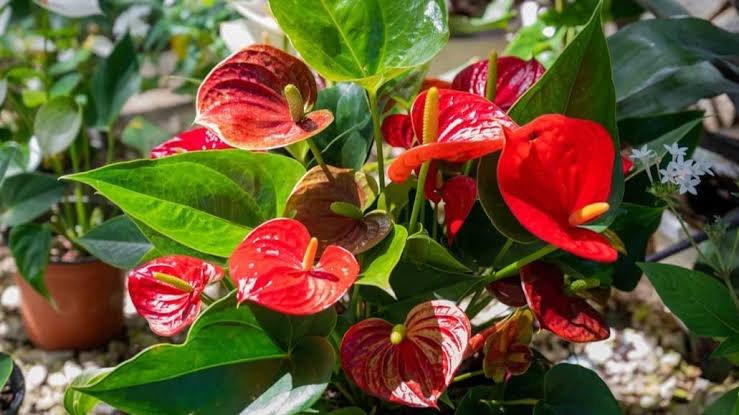
Anthurium is one of the most beautiful tropical houseplants you can grow indoors, admired for its glossy green leaves and vibrant, heart-shaped blooms. Often referred to as the Flamingo Flower or Laceleaf, this eye-catching plant adds a touch of elegance to homes, offices, and conservatories. Its colourful appearance, long-lasting flowers, and relatively simple care requirements have made it a favourite among indoor gardening enthusiasts across the UK.
If you are searching for a reliable Anthurium care guide, this article covers everything you need to know. From choosing the ideal location and understanding watering needs to learning effective propagation methods, this comprehensive guide is designed to help beginners and experienced plant owners alike. By following these practical tips, you can enjoy a healthy Anthurium that produces attractive foliage and beautiful blooms throughout the year.
What Is an Anthurium?
Anthurium is a tropical flowering plant belonging to the Araceae family, with hundreds of recognised species found naturally in Central and South America. Most varieties grow beneath rainforest canopies where they receive filtered sunlight, warm temperatures, and consistently high humidity. These natural conditions explain why Anthurium thrives best indoors when its environment closely resembles its native habitat.
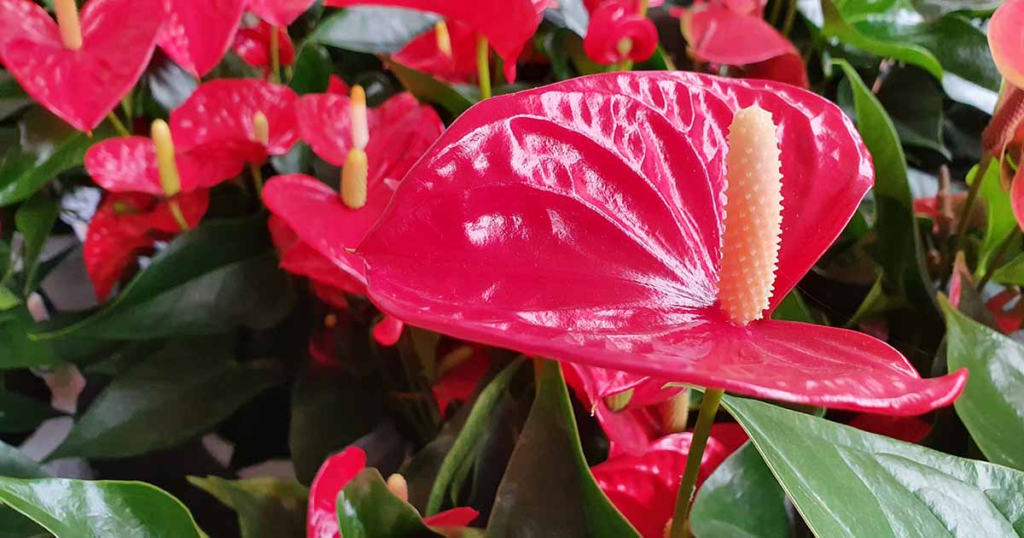
The striking part that most people consider the flower is actually a colourful spathe, while the central spike is known as the spadix. Anthurium plants are available in shades of red, white, pink, orange, purple, and even green, making them highly decorative. Their unique appearance and long-lasting blooms have made them one of the most popular indoor plants for modern homes and workplaces.
Anthurium Care Guide
Providing proper care is essential if you want your Anthurium to remain healthy and continue flowering regularly. This tropical plant enjoys warm temperatures between 18°C and 27°C, moderate watering, and bright indirect sunlight. Sudden drops in temperature or exposure to cold draughts can stress the plant and reduce both its growth and flowering performance over time.
Humidity is equally important for successful Anthurium care. Since these plants originate from humid rainforests, they appreciate moisture in the surrounding air. You can increase humidity by placing the pot on a pebble tray with water, using a room humidifier, or occasionally misting the leaves. Maintaining suitable growing conditions encourages stronger foliage, healthier roots, and more frequent blooms.
Best Light Conditions for Anthurium
Choosing the correct lighting position can make a significant difference to the health of your Anthurium. The plant performs best in bright, indirect light where it receives plenty of natural brightness without being exposed to intense afternoon sunshine. Direct sunlight may scorch the leaves, fade the colourful spathes, and reduce the overall attractiveness of the plant.
If your home receives limited natural light, place your Anthurium close to an east-facing or north-facing window where filtered daylight is available. Rotate the pot every few weeks so that all sides receive equal light exposure. Proper lighting promotes balanced growth, stronger stems, and more consistent flowering throughout the growing season.
Watering Anthurium Correctly
Correct watering is one of the most important aspects of keeping an Anthurium healthy. Water the plant only when the top layer of compost feels slightly dry to the touch. The soil should remain lightly moist but never become waterlogged, as excessive moisture quickly leads to root rot and other common plant diseases.
Always ensure excess water drains completely from the bottom of the pot before returning it to its decorative container. During spring and summer, your Anthurium may require more frequent watering because active growth increases water consumption. In autumn and winter, watering should be reduced slightly to match the plant’s slower growth cycle.
Soil, Potting and Repotting Anthurium
A well-draining growing medium is essential for maintaining healthy Anthurium roots. A chunky potting mixture containing orchid bark, perlite, coco coir, and quality houseplant compost provides excellent drainage while allowing plenty of air to circulate around the root system. Good drainage helps prevent root diseases and encourages vigorous plant development.
Repotting is usually necessary every two or three years when roots begin filling the container. Choose a pot only slightly larger than the previous one and ensure it includes adequate drainage holes. Fresh compost provides valuable nutrients and gives the roots additional space to develop, resulting in healthier leaves and improved flowering.
Anthurium Propagation
Propagating an Anthurium is a rewarding way to create new plants while expanding your indoor collection. The easiest and most reliable method is dividing mature plants during repotting. Carefully separate healthy root sections, making sure each division has both leaves and an established root system before planting into fresh compost.
Some Anthurium varieties can also be propagated using stem cuttings, although division generally produces faster and more dependable results. Newly propagated plants should be placed in warm conditions with bright indirect light and consistent humidity until new growth becomes visible. With patience and proper care, young plants establish themselves successfully.
Common Anthurium Problems and Solutions
Even with excellent care, Anthurium plants may occasionally develop problems. Yellow leaves often indicate overwatering or poor drainage, while brown leaf edges usually suggest low humidity or inconsistent watering. Carefully observing your plant allows you to identify issues early and make adjustments before long-term damage occurs.
Indoor pests such as spider mites, mealybugs, and aphids may sometimes appear, particularly in dry environments. Regular inspection of leaves, good air circulation, and gentle cleaning with a damp cloth help prevent infestations. Healthy plants grown under suitable conditions are naturally more resistant to pests and diseases than stressed specimens.
Anthurium Flowering and Bloom Care
One of the greatest attractions of an Anthurium is its ability to produce long-lasting flowers that remain colourful for several weeks or even months. Bright indirect light, balanced fertiliser, suitable humidity, and careful watering all contribute to regular flowering. Consistent care throughout the year encourages stronger blooms and healthier overall growth.
Once flowers begin fading, remove them using clean pruning scissors to encourage fresh growth and improve the plant’s appearance. Feeding your Anthurium every few weeks during the growing season provides the nutrients needed for future blooms. Healthy plants often reward owners with repeated flowering throughout the year.
Benefits of Growing Anthurium Indoors
Growing an Anthurium indoors offers both decorative and practical benefits. Its glossy foliage and colourful flowers instantly brighten living rooms, offices, kitchens, and conservatories while creating a tropical atmosphere. The plant also requires relatively straightforward maintenance compared with many other flowering houseplants, making it ideal for beginners.
Besides its impressive appearance, caring for an Anthurium can be an enjoyable and relaxing hobby. Watching new leaves develop and colourful blooms appear provides a sense of achievement for plant lovers. Although the plant should be kept away from pets and young children because it is toxic if consumed, responsible placement allows everyone to enjoy its beauty safely.
Conclusion
Anthurium remains one of the finest tropical houseplants for anyone looking to add colour and elegance to indoor spaces. By providing bright indirect light, moderate watering, high humidity, and a well-draining potting mix, you can enjoy healthy foliage and spectacular blooms for many years. Understanding its natural growing conditions makes successful care much easier.
Whether you are buying your first tropical plant or expanding an established indoor collection, Anthurium is an excellent choice. Following this complete care guide will help you avoid common mistakes, encourage stronger growth, and enjoy a thriving houseplant that continues to enhance your home throughout every season.
Frequently Asked Questions
How often should I water an Anthurium?
Water your Anthurium when the top layer of soil becomes slightly dry. Avoid leaving the roots in standing water, as excessive moisture can lead to root rot.
What is the best light for an Anthurium?
Bright, indirect sunlight is ideal. Too much direct sunlight can scorch the leaves and reduce flowering.
Why are my Anthurium leaves turning yellow?
Yellow leaves are usually caused by overwatering, poor drainage, or unsuitable growing conditions. Checking soil moisture and improving drainage often solves the problem.
Can Anthurium grow indoors?
Yes. Anthurium is one of the most popular indoor tropical plants because it adapts well to warm, humid indoor environments with proper care.
How do I propagate an Anthurium?
The easiest propagation method is dividing a mature plant during repotting. Healthy divisions with strong roots usually establish quickly when planted in fresh, well-draining compost.
You May Also Read: Alan Partridge How Are You