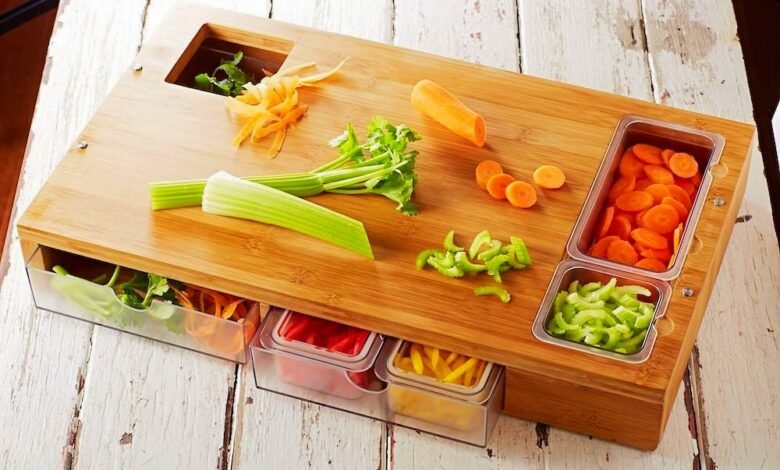
A wooden chopping board is more than just a surface for slicing vegetables or carving meat—it is a timeless kitchen essential that blends functionality with natural beauty. For centuries, cooks across cultures have relied on wood as their preferred cutting surface, and even in today’s modern kitchens filled with advanced tools, the wooden chopping board continues to hold its ground. Its durability, eco-friendliness, and knife-friendly nature make it a staple for both home cooks and professional chefs alike.
One of the reasons wooden chopping board remain so popular is their balance between practicality and aesthetics. Unlike plastic boards that may wear down quickly or glass boards that can dull knives, wood offers a forgiving yet sturdy surface. It protects your knives while also adding a warm, rustic charm to your kitchen décor. Whether you’re preparing a simple salad or an elaborate meal, a wooden board enhances the entire cooking experience.
In addition to its visual appeal, a wooden chopping board also supports better hygiene when used correctly. Contrary to common myths, certain types of wood have natural antibacterial properties that help reduce the growth of harmful microbes. When maintained properly, these boards can be just as safe—if not safer—than their synthetic counterparts.
Ultimately, choosing a wooden chopping board is not just about utility; it’s about investing in a reliable and sustainable kitchen companion that can last for years with the right care.
What Is a Wooden Chopping Board?
A wooden chopping board is a flat surface made from natural wood, designed specifically for cutting, slicing, and preparing food. It serves as a protective layer between your knife and your countertop, preventing damage to both. Available in a variety of shapes, sizes, and designs, these boards are tailored to suit different cooking needs, from everyday meal prep to specialized culinary tasks.
Historically, wooden chopping boards have been used for generations due to the availability and versatility of wood. Early versions were simple slabs, but over time, craftsmanship has evolved to include intricate grain patterns and specialized designs. Today, you can find boards that are not only functional but also artistic, often doubling as serving platters or decorative pieces.
There are several types of wooden chopping boards, each offering unique benefits. End grain boards, for instance, are highly durable and gentle on knives, making them a premium choice. Edge grain boards are more affordable and still provide excellent performance, while face grain boards are often used for lighter tasks. Understanding these variations helps you choose a board that matches your cooking style.
In essence, a wooden chopping board is an indispensable kitchen tool that combines tradition, utility, and craftsmanship into one versatile product.
Types of Wood Used in Chopping Boards
The type of wood used in a chopping board plays a significant role in its performance and longevity. Popular choices include maple, walnut, cherry, and teak, each offering distinct characteristics. Maple, for example, is known for its hardness and resistance to moisture, making it a top choice for heavy-duty use. Walnut provides a darker, elegant appearance, while cherry offers a warm tone that deepens over time.
Hardwoods are generally preferred over softwoods when it comes to chopping boards. This is because hardwoods are more resistant to cuts, dents, and bacteria. Softwoods, on the other hand, can wear out quickly and may not provide the same level of durability. Investing in a hardwood board ensures that it can withstand regular use without compromising its structure.
In recent years, sustainability has become an important consideration for many buyers. Eco-friendly wooden chopping boards made from responsibly sourced materials are gaining popularity. These options not only reduce environmental impact but also support ethical manufacturing practices.
Choosing the right wood is essential for achieving the perfect balance between durability, aesthetics, and sustainability. By understanding the properties of different woods, you can select a chopping board that meets your needs and aligns with your values.
Benefits of Using a Wooden Chopping Board
One of the most notable benefits of a wooden chopping board is its durability. Unlike plastic boards that can warp or crack over time, wooden boards are built to last. With proper care, they can serve you for many years, making them a cost-effective investment in the long run. Their resilience makes them suitable for a wide range of kitchen tasks, from chopping vegetables to carving meat.
Another advantage is their knife-friendly surface. Wood has a natural ability to absorb the impact of cutting, which helps preserve the sharpness of your knives. This not only extends the lifespan of your knives but also improves your overall cooking efficiency. In contrast, harder surfaces like glass can quickly dull blades, requiring frequent sharpening.
Wooden chopping boards also offer natural antibacterial properties. Studies have shown that certain types of wood can inhibit the growth of bacteria, making them a hygienic choice when properly maintained. This challenges the common misconception that wood is less sanitary than plastic.
Finally, the aesthetic appeal of wooden boards cannot be overlooked. Their natural grain patterns and warm tones add a touch of elegance to any kitchen. Whether used for food preparation or presentation, they elevate the overall cooking and dining experience.
How to Choose the Right Wooden Chopping Board
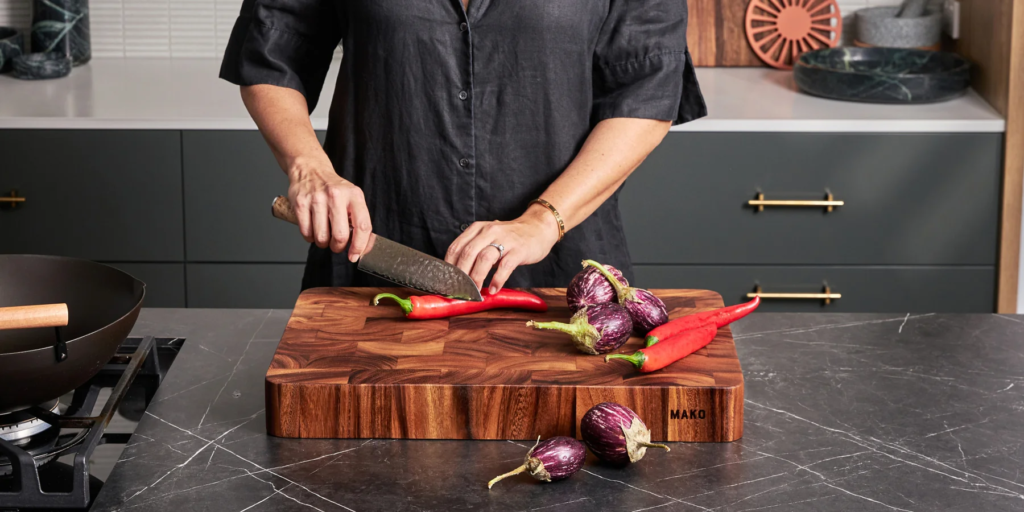
Selecting the right wooden chopping board involves considering several factors, including size, thickness, and design. Larger boards provide more مساحة for food preparation, making them ideal for busy kitchens. Thicker boards are generally more durable and less prone to warping, ensuring long-term reliability.
Design features also play an important role in usability. Some boards come with juice grooves to catch liquids, while others include handles for easy transport. Choosing a design that matches your cooking habits can significantly enhance your experience in the kitchen.
Budget is another key consideration. While high-quality wooden boards may come with a higher price tag, they often offer better durability and performance. Investing in a well-crafted board can save you money in the long run by reducing the need for frequent replacements.
Ultimately, the best wooden chopping board is one that aligns with your needs, preferences, and budget. Taking the time to evaluate your options ensures that you make a smart and satisfying purchase.
Cleaning and Maintenance
Proper cleaning and maintenance are essential for preserving the quality and lifespan of your wooden chopping board. Daily cleaning should involve washing the board with warm water and mild soap, followed by thorough drying. Avoid soaking the board or placing it in a dishwasher, as excessive moisture can cause warping and cracking.
Regular oiling is another crucial aspect of maintenance. Applying food-safe mineral oil helps keep the wood hydrated, preventing it from drying out and splitting. This process also enhances the board’s مقاومت to stains and odors, ensuring it remains in top condition.
Over time, chopping boards may develop stains or lingering smells. Natural cleaning solutions such as lemon and baking soda can effectively إزالة these issues without damaging the wood. Deep cleaning methods should be used occasionally to maintain hygiene and freshness.
By following these simple maintenance practices, you can extend the life of your wooden chopping board and keep it looking and performing like new.
Conclusion
A wooden chopping board is a versatile and reliable kitchen tool that combines durability, functionality, and aesthetic appeal. From its knife-friendly surface to its natural antibacterial properties, it offers numerous advantages over other types of cutting boards. While it requires proper care and maintenance, the benefits far outweigh the effort involved.
Investing in a high-quality wooden chopping board is a خطوة toward improving your cooking experience. With the right choice and proper care, it can become a long-lasting companion in your kitchen, enhancing both your efficiency and enjoyment.
FAQs About Wooden Chopping Boards
Are wooden chopping boards hygienic?
Yes, when properly cleaned and maintained, they are safe and hygienic.
How often should I oil my wooden chopping board?
Ideally, once every few weeks or when the wood appears dry.
Can I put a wooden chopping board in the dishwasher?
No, it can damage the wood and cause warping.
What is the best wood for chopping boards?
Hardwoods like maple, walnut, and cherry are excellent choices.
How do I remove strong odors from my board?
Use lemon and baking soda for natural cleaning.
How long does a wooden chopping board last?
With proper care, it can last for many years.
Is bamboo better than wood for chopping boards?
Bamboo is durable but can be harder on knives compared to wood.
Can I cut raw meat on a wooden board?
Yes, but ensure proper cleaning afterward.
How do I prevent my board from cracking?
Regular oiling and avoiding excess moisture help prevent cracks.
When should I replace my chopping board?
When it develops deep cracks or becomes difficult to clean.
You May Also Read: Magic Cross Piercing