
The name Isabella is one of the most elegant and timeless names used across the world. It carries a sense of grace, sophistication, and historical depth that has helped it remain popular for centuries. From royal courts in medieval Europe to modern baby name charts, Isabella has consistently maintained its appeal across cultures and generations. Its melodic sound and meaningful origin make it a favorite choice for parents seeking a name that is both classic and beautiful.
In recent years, Isabella has seen a strong resurgence in popularity, especially in English-speaking countries. It is frequently ranked among the top baby names due to its soft pronunciation, romantic tone, and versatile nickname options such as Bella, Izzy, and Isa. The name’s widespread use in literature, film, and popular culture has further strengthened its global recognition and emotional appeal.
This article explores the meaning, origin, historical background, cultural significance, and modern popularity of the name Isabella. It also examines personality traits commonly associated with the name, its variations across languages, and why it continues to remain a top choice for families around the world.
Understanding the Name Isabella
What Does Isabella Mean?
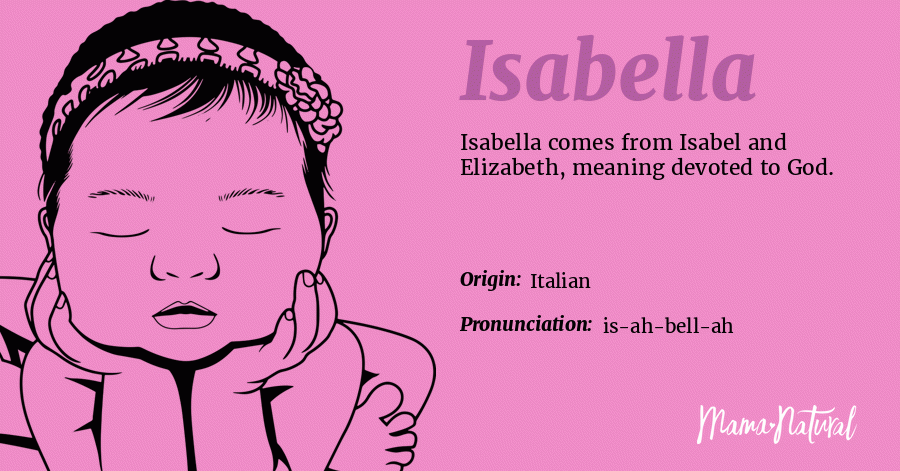
The name Isabella is widely believed to mean “devoted to God” or “God is my oath,” derived from Hebrew roots through its connection to the name Elizabeth. Over time, it evolved through Latin and Italian linguistic influences, eventually forming the elegant version we know today. This spiritual meaning has contributed to its enduring appeal, especially among families who value names with religious or symbolic significance.
Beyond its literal meaning, Isabella is often associated with qualities such as beauty, grace, strength, and kindness. These symbolic interpretations have helped shape the name’s identity in modern culture, making it not just a label but a representation of positive personality traits. Its soft vowel sounds and flowing structure also add to its emotional and aesthetic appeal.
Origin of the Name Isabella
Isabella originates from the Hebrew name Elisheba, which evolved into Elizabeth in English and took various forms across Europe. In Italian and Spanish-speaking cultures, Isabella became a widely used variation, eventually gaining popularity in royal families and aristocratic circles. This historical transformation shows how the name adapted across languages while preserving its core meaning.
During the Middle Ages, Isabella became especially prominent in European nobility, which helped elevate its status as a name associated with power and elegance. Its use among queens and princesses contributed significantly to its prestige and long-term popularity.
Pronunciation and Variations
Isabella is typically pronounced as iz-uh-BEL-uh in English, though variations exist across languages. In Italian and Spanish, it is often pronounced with a softer and more flowing tone. Common spelling variations include Isabelle (French), Isabela (Spanish), and Isobel (Scottish).
These variations allow the name to adapt naturally across different cultures while maintaining its identity. This flexibility has played a major role in its global popularity.
Historical Background of Isabella
Isabella in Medieval History
The name Isabella has deep roots in medieval European history, particularly among royal families. It was commonly used by queens and noblewomen, symbolizing purity, strength, and divine favor. One of the most famous historical figures bearing the name was Queen Isabella I of Castile, who played a crucial role in shaping European history during the 15th century.
Her influence helped solidify the name Isabella as one associated with leadership, intelligence, and authority. During this era, names carried strong symbolic weight, and Isabella became a representation of noble virtue and political power.
Famous Historical Figures Named Isabella
Throughout history, several influential women named Isabella have left their mark on politics, culture, and society. Royal figures, artists, and nobles helped carry the name through generations, reinforcing its association with elegance and strength. These historical connections continue to enhance the name’s prestige in modern times.
The legacy of these figures contributes to the name’s timeless appeal, as parents often choose Isabella for its historical richness and cultural depth.
Cultural Evolution of the Name
As societies evolved, Isabella spread beyond Europe and gained popularity in Latin America, North America, and other regions. Its adaptability allowed it to remain relevant in changing linguistic and cultural environments.
In modern times, Isabella is seen as a global name that transcends borders, making it one of the most universally recognized female names in the world.
Isabella in Modern Society
Popularity Trends
Isabella has consistently ranked among the top baby names in countries such as the United States, United Kingdom, Canada, and Australia. Its popularity surged in the early 2000s and has remained strong ever since.
One reason for this sustained success is its balance between traditional charm and modern appeal. Parents often choose Isabella because it feels both timeless and fashionable.
Why Parents Choose Isabella
Parents are drawn to Isabella for several reasons, including its beautiful sound, meaningful origin, and wide range of nickname options. The name feels elegant yet approachable, making it suitable for all stages of life.
Its versatility is another key factor. Whether used formally or casually, Isabella adapts effortlessly, which makes it an appealing long-term choice.
Influence of Celebrities and Media
Pop culture has also contributed to the name’s popularity. Characters in movies, television shows, and literature named Isabella have helped maintain its visibility. Celebrity usage has further reinforced its modern appeal, ensuring that the name remains relevant in contemporary society.
Personality Traits Associated with Isabella
Traditional Associations
Names often carry symbolic personality associations, and Isabella is no exception. It is commonly linked with qualities such as kindness, intelligence, creativity, and emotional depth.
These associations are not scientifically proven but are widely influenced by cultural storytelling and name psychology.
Positive Attributes
Isabella is often associated with strong leadership qualities, empathy, and artistic expression. People perceive the name as elegant and refined, yet warm and approachable.
These positive traits contribute to its continued popularity among parents.
Name Psychology
Psychologically, names can influence first impressions. Isabella is often perceived as a sophisticated and trustworthy name, making it popular in both personal and professional contexts.
Isabella in Literature and Popular Culture
Literary Presence
Isabella has appeared in numerous works of literature, often used for noble or romantic characters. Its elegant tone makes it ideal for storytelling and character development.
Film and Television
In modern media, Isabella is frequently used for strong female characters in films and TV shows. This continued exposure reinforces its popularity among younger generations.
Cultural Influence
Music, art, and entertainment have all contributed to keeping the name Isabella culturally relevant. Its frequent use in creative works ensures its continued recognition.
Variations and Related Names
International Variations
Isabella has many variations across languages, including Isabelle, Isabela, and Isobel. Each version reflects cultural and linguistic adaptation while maintaining the same core identity.
Related Names
Names such as Isabel and Bella are closely related and often used as shortened or alternative forms. These variations provide flexibility while preserving the elegance of the original name.
Nicknames
Popular nicknames include Bella, Izzy, Isa, and Belle. These shortenings make the name more casual and playful while retaining its charm.
Interesting Facts About Isabella
Fun Facts
Isabella has been one of the most consistently used names in royal history. It is also one of the most globally recognized female names today.
Popularity Records
The name has frequently appeared in top baby name rankings across multiple decades, demonstrating its long-lasting appeal.
Why Isabella Stands the Test of Time
Timeless Elegance
Isabella remains popular because it blends tradition with modern style. Its elegant sound ensures it never feels outdated.
Global Recognition
The name is easily recognized and pronounced across cultures, making it universally appealing.
Future Popularity
Experts suggest that Isabella will continue to remain popular due to its adaptability, meaning, and emotional appeal.
Conclusion
Isabella is more than just a name—it is a symbol of beauty, history, and cultural richness. Its deep roots in ancient languages, royal history, and global traditions have helped it maintain its status as one of the most beloved names in the world. From its meaningful origin to its modern popularity, Isabella continues to inspire parents and individuals alike.
Its timeless elegance, strong symbolic meaning, and cultural versatility ensure that Isabella will remain a favorite choice for generations to come. Whether viewed through history, language, or personal identity, Isabella stands as a name that truly embodies grace, strength, and enduring charm.
FAQs
What does the name Isabella mean?
It generally means “devoted to God” or “God is my oath,” derived from Hebrew origins.
What is the origin of Isabella?
It comes from the Hebrew name Elisheba, evolving through Latin and European languages.
Why is Isabella so popular?
Because of its elegance, meaning, historical significance, and global appeal.
What are common nicknames for Isabella?
Bella, Izzy, Isa, and Belle are commonly used.
Is Isabella a royal name?
Yes, it has been used by several queens and noblewomen in history.
Is Isabella popular worldwide?
Yes, it is widely used across Europe, the Americas, and other regions.
You May Also Read: Teddy Swims The Door