Tortoise enclosure ideas: complete guide to indoor and outdoor setup for safe and natural habitat

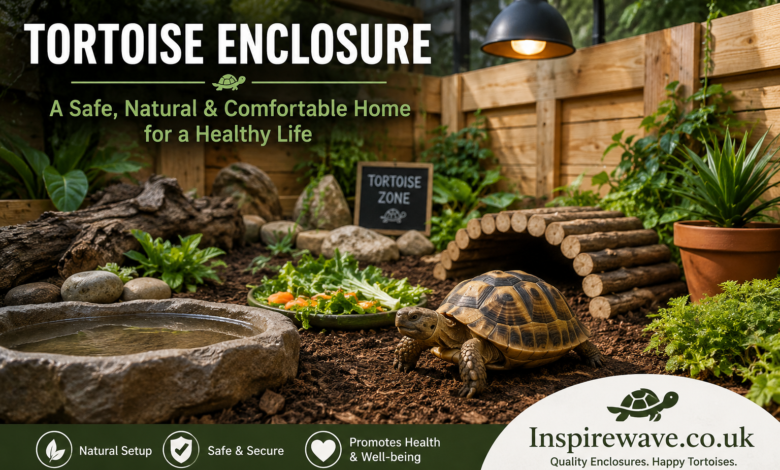
A tortoise enclosure is the most important foundation for keeping a healthy and active tortoise in captivity. It is not just a physical space but a controlled environment that supports natural behavior such as grazing, basking, digging, and resting. A properly designed tortoise enclosure mimics wild habitats and ensures that the tortoise experiences comfort, safety, and long-term well-being.
Creating a suitable tortoise enclosure requires understanding species needs, climate conditions, and available space. Many beginners make the mistake of using undersized or poorly designed habitats, which can lead to stress and health issues. A well-planned tortoise enclosure improves immunity, encourages natural movement, and helps maintain proper shell growth over time.
Choosing the right tortoise enclosure type
Selecting the right tortoise enclosure type depends on the tortoise species and the keeper’s environment. The two main types include indoor and outdoor setups. An indoor tortoise enclosure is ideal for colder regions or young tortoises, while an outdoor tortoise enclosure provides natural sunlight, soil contact, and a more natural lifestyle.
A proper tortoise enclosure must always prioritize space and safety regardless of type. Wooden tables, custom-built pens, and secure outdoor runs are commonly used designs. Each tortoise enclosure should allow free movement, proper ventilation, and protection from predators or environmental hazards. Choosing the right setup ensures long-term health and behavioral stability.
Indoor tortoise enclosure setup guide
An indoor tortoise enclosure is essential when outdoor conditions are not suitable. This type of tortoise enclosure must recreate natural sunlight using UVB lighting and provide heat sources to maintain proper body temperature. Without these elements, indoor environments cannot fully support a tortoise’s biological needs.
The best indoor tortoise enclosure uses a wooden tortoise table or a custom-built habitat with proper airflow. Substrate options such as soil, coconut fiber, or organic topsoil help replicate natural ground conditions. A well-designed tortoise enclosure indoors must also include hiding areas, basking spots, and a clean water source to support daily activity and hydration.
Outdoor tortoise enclosure setup guide
An outdoor tortoise enclosure is considered the most natural and beneficial environment when climate allows. This type of tortoise enclosure provides direct sunlight, natural UV exposure, and access to real plants and soil. It encourages natural digging, grazing, and exploration behavior, which is essential for physical and mental health.
A secure tortoise enclosure outdoors must be predator-proof and escape-resistant. Strong fencing, buried barriers, and shaded shelters are necessary for protection. The ground should be natural and chemical-free to support safe grazing. A well-built outdoor tortoise enclosure offers a highly enriched environment that closely resembles the tortoise’s wild habitat.
Essential features of a safe tortoise enclosure
A safe tortoise enclosure must always maintain proper temperature balance, lighting, and ventilation. UVB lighting is essential in any indoor tortoise enclosure because it supports calcium metabolism and prevents shell deformities. Without proper UVB exposure, the tortoise enclosure becomes unhealthy over time.
Every tortoise enclosure should also provide a temperature gradient, allowing the tortoise to move between warm and cool areas. Safe hydration, non-toxic materials, and stable ground surfaces are equally important. A properly designed tortoise enclosure ensures comfort, safety, and long-term biological health.
DIY tortoise enclosure ideas on a budget
A DIY tortoise enclosure can be both affordable and highly effective when designed correctly. Many keepers build wooden tortoise enclosure tables using basic materials that are easy to assemble. These setups can be customized based on the tortoise’s size and growth needs, making them practical for beginners.
Even a budget-friendly tortoise enclosure can provide excellent living conditions if essential requirements are met. Recycled wood, simple heating lamps, and natural substrates are commonly used in DIY designs. A carefully planned tortoise enclosure on a budget can still offer safety, comfort, and natural enrichment.
Tortoise enclosure maintenance and cleaning
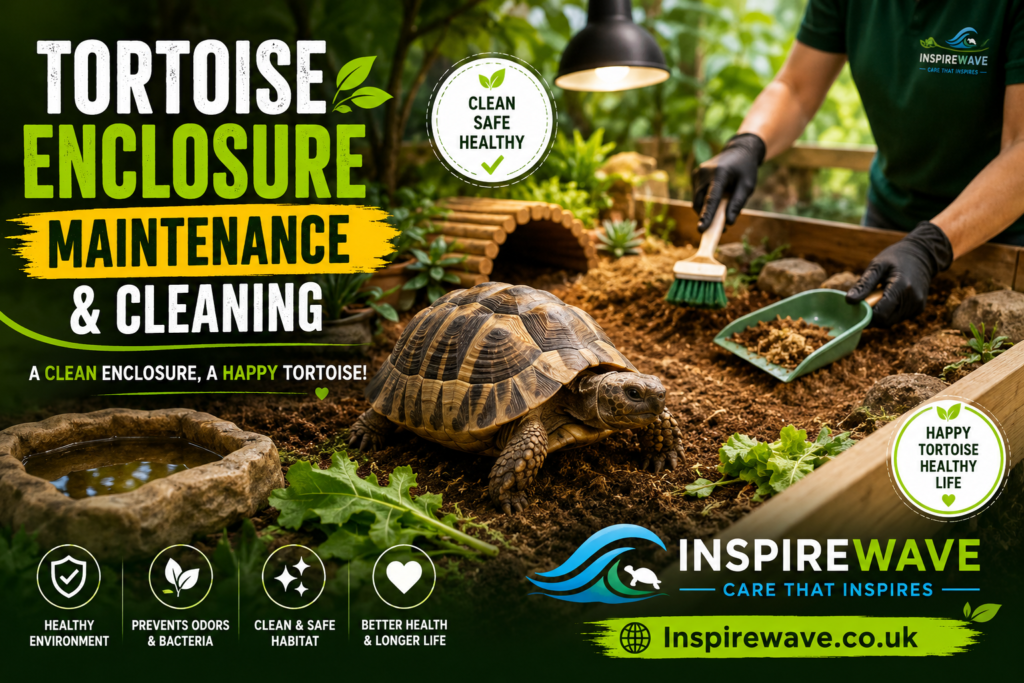
Maintaining a clean tortoise enclosure is critical for preventing disease and promoting long-term health. Waste removal, uneaten food cleaning, and substrate management should be done regularly. A clean tortoise enclosure reduces bacteria buildup and prevents infections that could harm the tortoise.
Deep cleaning and inspection of the tortoise enclosure should also be performed periodically. Owners must check for cracks, mold, or escape points. A well-maintained tortoise enclosure supports better hygiene, reduces stress, and encourages more natural behavior in captive tortoises.
Choosing plants and natural decor for tortoise enclosure
A natural tortoise enclosure often includes safe plants and enrichment elements that mimic wild habitats. Plants such as dandelion, clover, and hibiscus can be added to a tortoise enclosure to provide both food and environmental stimulation. However, all plants must be verified as non-toxic.
Decorative elements like rocks, logs, and hiding shelters improve the quality of any tortoise enclosure. These additions create shaded areas and encourage exploration. A well-designed tortoise enclosure with natural decor helps reduce boredom and promotes healthy mental stimulation.
Common tortoise enclosure mistakes to avoid
Many beginners make critical mistakes when setting up a tortoise enclosure, such as using insufficient space or improper lighting. A small tortoise enclosure restricts movement and can negatively affect shell growth and overall health. Proper sizing is essential for long-term welfare.
Another major issue in a tortoise enclosure is incorrect temperature or humidity balance. Without proper environmental control, tortoises may develop metabolic or respiratory problems. Avoiding unsafe substrates and ensuring ventilation are key to maintaining a healthy tortoise enclosure.
Tips for creating the perfect tortoise enclosure
The perfect tortoise enclosure is designed with long-term growth and natural behavior in mind. Owners should always plan for expansion as the tortoise grows. A flexible tortoise enclosure ensures comfort and prevents the need for frequent replacements.
Monitoring behavior helps improve any tortoise enclosure over time. If a tortoise appears inactive or stressed, adjustments may be needed in lighting, space, or temperature. A well-balanced tortoise enclosure supports natural instincts and creates a healthy lifelong habitat.
Conclusion
A well-designed tortoise enclosure is essential for ensuring the health, happiness, and longevity of any tortoise. Whether indoor or outdoor, a tortoise enclosure must replicate natural conditions as closely as possible. Proper planning leads to better behavior, stronger immunity, and improved quality of life.
Building the ideal tortoise enclosure requires patience, research, and ongoing care. When done correctly, a tortoise enclosure becomes more than just a habitat—it becomes a safe and natural environment where tortoises can thrive for many years.
FAQs
What size should a tortoise enclosure be?
A tortoise enclosure should always be spacious enough to allow free movement and natural activity, with larger spaces preferred for long-term growth.
Can a tortoise enclosure be indoors?
Yes, an indoor tortoise enclosure can work well if it includes UVB lighting, heating, and proper ventilation systems.
What is the best material for a tortoise enclosure?
Wood is commonly preferred because it provides insulation and safety compared to glass or plastic setups.
Do tortoise enclosures need UVB lighting?
Yes, UVB lighting is essential in indoor tortoise enclosure setups for shell health and calcium absorption.
How often should a tortoise enclosure be cleaned?
Basic cleaning should be done daily, while deep cleaning should be done regularly depending on enclosure size and conditions.
You May Also Read: Hermann’s tortoise