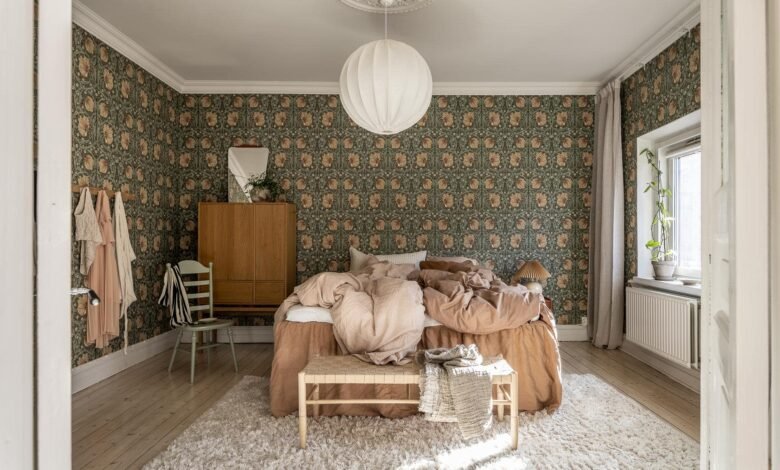
William Morris wallpaper is one of the most iconic and enduring design styles in interior decoration, known for its intricate patterns, nature-inspired motifs, and timeless aesthetic appeal. Created by the influential designer and artist William Morris, these wallpapers are more than just wall coverings—they represent a philosophy of beauty, craftsmanship, and harmony with nature. His work played a key role in shaping decorative arts during the 19th century and continues to inspire modern interiors today.
At the heart of Morris’s design philosophy is the Arts and Crafts Movement, a cultural movement that emphasized handcrafted quality over industrial mass production. This movement rejected the cold uniformity of factory-made goods and instead celebrated artistry, detail, and natural inspiration. William Morris wallpapers reflect this ideology through detailed botanical patterns, flowing vines, and carefully balanced compositions that feel both artistic and organic.
In contemporary interior design, William Morris wallpaper has experienced a strong revival. Homeowners and designers alike are drawn to its ability to bring warmth, depth, and historical charm into modern spaces. Whether used in traditional homes or minimalist interiors, these wallpapers create a striking contrast that elevates the overall ambiance of a room, making them a popular choice for feature walls and statement décor.
History and Legacy of William Morris Designs
The legacy of William Morris begins in the 19th century, where he emerged as a leading figure in decorative arts, literature, and design reform. Frustrated by the industrialization of design and the loss of craftsmanship, Morris sought to revive traditional methods of handcrafting textiles and wallpapers. His work was deeply influenced by medieval art, nature, and historical patterns, which became the foundation of his design language.
Through the Arts and Crafts Movement, Morris encouraged a return to craftsmanship and artistic integrity. He believed that everyday objects, including wallpaper, should be both functional and beautiful. This philosophy led to the creation of highly detailed patterns featuring flowers, leaves, birds, and vines, all arranged in harmonious repetition. His designs were not just decorative but also symbolic of a deeper connection between humans and nature.
Over time, William Morris wallpaper became a symbol of artistic excellence and cultural heritage. His influence extended far beyond his lifetime, shaping modern interior design, textile production, and even architecture. Today, his patterns are reproduced and reimagined globally, proving that his vision of beauty and craftsmanship remains relevant even in the digital age.
Characteristics of William Morris Wallpaper
One of the defining features of William Morris wallpaper is its strong connection to nature. Floral and botanical patterns dominate his designs, often featuring intertwined vines, blooming flowers, and flowing leaves. These natural elements are carefully arranged to create a sense of movement and harmony, making the wallpaper feel alive and dynamic.
Another key characteristic is the use of repeating and symmetrical patterns. Morris believed that repetition created visual balance and rhythm, which is why his wallpapers often feature structured yet organic layouts. This repetition helps create a cohesive look that works beautifully across large wall spaces without feeling overwhelming.
Color also plays a crucial role in William Morris designs. His wallpapers typically use rich, earthy tones such as deep greens, warm reds, golden yellows, and soft blues. These colors are inspired by natural landscapes and help create a warm, inviting atmosphere in any room. The combination of color and pattern gives his wallpapers a timeless elegance that suits both classic and modern interiors.
Finally, craftsmanship is central to Morris’s design philosophy. Every pattern reflects a handcrafted aesthetic that distinguishes it from mass-produced digital prints. This artisanal quality is what gives William Morris wallpaper its unique charm and enduring appeal.
Popular William Morris Wallpaper Designs
Some of the most famous designs created by William Morris have become timeless classics in interior design. Patterns such as “Strawberry Thief” and “Willow Bough” are widely recognized for their intricate detailing and natural themes. These designs showcase birds, foliage, and flowing plant structures that reflect Morris’s deep appreciation for nature.
Modern reproductions of these designs have allowed them to remain relevant in contemporary interiors. Today, many design houses offer updated versions of William Morris wallpaper that preserve the original artistry while adapting to modern color palettes and materials. This blend of tradition and innovation has helped maintain their popularity across generations.
Limited edition collections and heritage wallpaper lines continue to celebrate Morris’s legacy. These designs are often used in luxury interiors, boutique hotels, and heritage-inspired homes, where they serve as statement pieces that define the character of a space. Their enduring appeal lies in their ability to feel both historical and contemporary at the same time.
Interior Design Applications
William Morris wallpaper is highly versatile and can be used in various interior spaces. In living rooms, it is often applied as a feature wall behind sofas or fireplaces, creating a strong visual focal point. The detailed patterns add depth and sophistication, making the space feel warm and inviting.
In bedrooms, softer floral patterns are commonly used to create a calming and restful atmosphere. When paired with neutral furniture and soft lighting, William Morris wallpaper can transform a bedroom into a serene retreat.
Dining rooms and kitchens also benefit from these designs, especially when used in smaller sections or accent areas. The rich patterns add character and charm, enhancing the overall dining experience.
Hallways and entryways are ideal locations for bold wallpaper choices, as they create a strong first impression. William Morris designs help turn transitional spaces into visually engaging areas that reflect the personality of the home.
How to Choose the Right William Morris Wallpaper
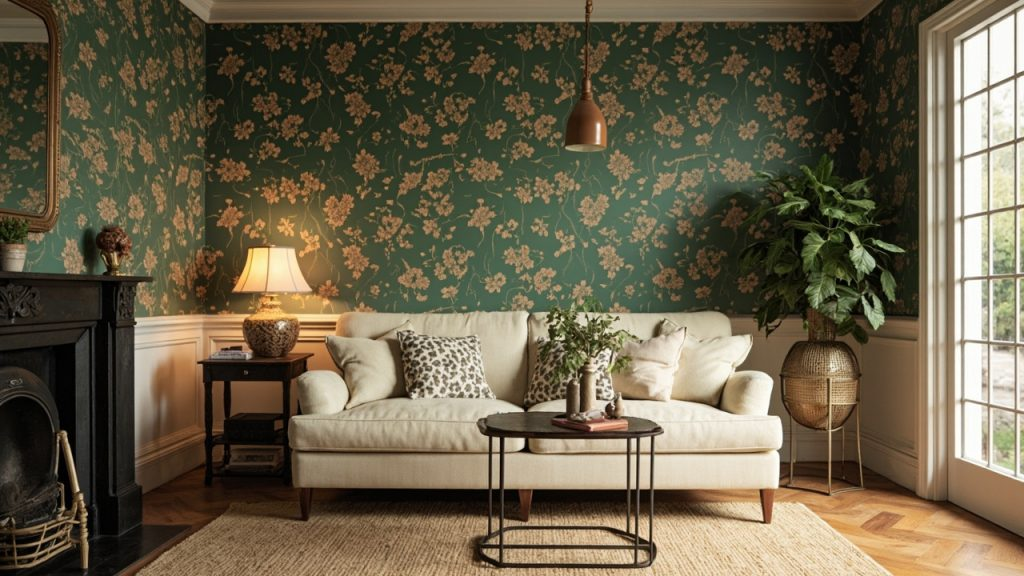
Selecting the right William Morris wallpaper requires careful consideration of room size, lighting, and overall interior theme. In smaller rooms, lighter patterns or softer color palettes can prevent the space from feeling too enclosed. In larger rooms, bold and intricate designs can be used more freely to create dramatic visual impact.
It is also important to match wallpaper with existing furniture and décor. Traditional interiors pair well with rich, detailed patterns, while modern spaces may benefit from simplified or muted versions of classic designs.
Sampling different patterns before installation is highly recommended. This allows homeowners to see how the wallpaper interacts with natural light and surrounding elements throughout the day.
Installation and Maintenance Guide
Installing William Morris wallpaper can be done professionally or as a DIY project, depending on experience level. Proper surface preparation is essential to ensure smooth application and long-lasting results. Walls should be clean, dry, and even before installation begins.
Maintenance is relatively simple but important. Regular dusting and gentle cleaning help preserve the vibrancy of the patterns. Avoiding excessive moisture and direct sunlight can also extend the life of the wallpaper.
High-quality wallpaper is designed to be durable, making it a long-term investment in interior design.
Modern Trends and Revival of William Morris Designs
In recent years, there has been a significant revival of interest in William Morris wallpaper. Interior designers are increasingly incorporating these classic patterns into modern homes, blending vintage aesthetics with contemporary design elements.
The influence of William Morris can be seen in Scandinavian interiors, luxury hotels, and minimalist spaces where bold wallpaper is used as a contrast element. Digital printing technology has also made it easier to reproduce intricate designs with high precision, ensuring that Morris’s legacy continues in modern formats.
Social media platforms and interior design trends have further fueled the popularity of these wallpapers, making them a staple in stylish home décor.
Benefits of Using William Morris Wallpaper
William Morris wallpaper offers numerous benefits, including timeless beauty, artistic depth, and cultural significance. It enhances the aesthetic value of any space while creating a warm and inviting atmosphere.
Its versatility allows it to be used in both traditional and modern interiors, making it a flexible design choice. Additionally, its durability ensures long-term value, making it a worthwhile investment for homeowners.
Conclusion
The enduring appeal of William Morris wallpaper lies in its ability to combine art, history, and nature into a single design language. Created by William Morris and rooted in the Arts and Crafts Movement, these wallpapers continue to inspire interior design around the world.
Whether used as a bold feature wall or a subtle decorative element, William Morris wallpaper brings elegance, warmth, and timeless charm to any space. Its legacy proves that true design never goes out of style—it simply evolves.
FAQs About William Morris Wallpaper
Who was William Morris?
A 19th-century designer and key figure in the Arts and Crafts Movement.
What makes William Morris wallpaper special?
Its handcrafted aesthetic, natural motifs, and timeless design appeal.
Is it suitable for modern homes?
Yes, it blends beautifully with both modern and traditional interiors.
Where can it be used?
Living rooms, bedrooms, hallways, dining rooms, and feature walls.
Is it still popular today?
Yes, it is widely used in contemporary interior design trends.
How do I maintain it?
Regular dusting and avoiding moisture help preserve it.
What are the most famous designs?
“Strawberry Thief” and “Willow Bough” are among the most iconic.
Does it increase home value?
Yes, it enhances aesthetic appeal and interior sophistication.
You May Also Read: Nose Piercing