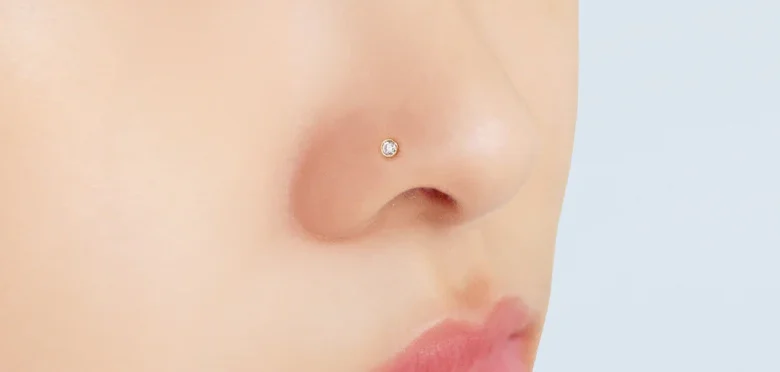
A nose piercing is one of the most popular forms of facial body modification, blending cultural tradition with modern fashion expression. It involves creating a small hole in the nose—usually the nostril or septum—to wear decorative jewelry such as studs or rings. Over time, nose piercings have evolved from traditional cultural practices into a global fashion statement embraced by people of all ages.
Historically, nose piercing hold deep cultural significance in regions such as South Asia, the Middle East, and parts of Africa. In many cultures, they symbolize beauty, marriage status, or social identity. In modern society, however, nose piercings are less about tradition and more about personal expression, individuality, and style. Celebrities, influencers, and fashion icons have played a major role in making nose piercings a mainstream trend.
Today, nose piercings are widely accepted in both casual and professional environments, depending on styling choices. Whether subtle or bold, they add a unique touch to facial aesthetics. With multiple piercing types, jewelry options, and styling possibilities, nose piercings have become one of the most versatile forms of body art in contemporary fashion.
Types of Nose Piercings
Nostril Piercing
The nostril piercing is the most common type of nose piercing and is placed on either side of the nose. It is a versatile and subtle option that suits almost all face shapes. Jewelry options include studs, screws, and L-shaped pins, making it easy to customize based on personal preference.
This type of piercing is widely chosen by beginners due to its simplicity and social acceptance. It can be styled minimally for a professional look or enhanced with decorative studs for a more fashionable appearance. Nostril piercings are also easy to combine with other facial piercings for a layered aesthetic.
Because of its popularity, the nostril piercing is available in almost every professional piercing studio, making it accessible and safe when done correctly.
Septum Piercing
The septum piercing is located in the thin tissue between the nostrils. It is one of the boldest nose piercing styles and is often associated with edgy and alternative fashion. Despite its dramatic appearance, septum piercings can be hidden by flipping the jewelry upward, making them surprisingly flexible.
This piercing is popular among individuals who want a strong fashion statement without permanently altering their visible appearance. It allows for a wide variety of jewelry styles, including circular barbells and decorative rings.
Septum piercings are also deeply rooted in cultural traditions in some communities, adding historical significance to their modern popularity.
High Nostril Piercing
A high nostril piercing is placed higher up on the nose compared to a standard nostril piercing. It is less common and requires more precision during placement. This style is often chosen by those who want a unique and subtle variation of the traditional nostril piercing.
Jewelry options are more limited due to the placement, typically involving flat-back studs. Healing may also take slightly longer because of the cartilage structure in the upper nose area.
Despite these challenges, high nostril piercings offer a distinctive and elegant look for those seeking something less mainstream.
Bridge Piercing
The bridge piercing is an advanced style placed horizontally across the upper bridge of the nose. It is more visible and considered a bold body modification choice. Due to its surface placement, it carries a higher risk of rejection or migration.
This piercing is typically chosen by individuals experienced with body modifications. It requires careful evaluation by a professional piercer to ensure suitability and safety.
Nose Piercing Procedure Explained
A nose piercing should always be performed by a trained professional in a sterile environment. The process begins with cleaning and marking the exact placement on the nose. This ensures symmetry and proper alignment before the piercing is done.
A sterile hollow needle is then used to create the piercing. Unlike piercing guns, which are not recommended for cartilage or nasal tissue, needles provide a cleaner and safer puncture with less trauma. The procedure is quick, usually lasting only a few minutes.
During the piercing, individuals may feel a sharp pinch followed by mild pressure or watering of the eyes. This reaction is completely normal due to the sensitivity of facial nerves. After insertion of the jewelry, aftercare instructions are provided to ensure proper healing.
Pain Level and Sensation
The pain level of a nose piercing varies depending on the type and individual tolerance. Most people describe it as a quick pinch followed by mild discomfort. Nostril piercings are generally considered moderately painful, while septum piercings may feel more intense due to their placement.
Factors such as anxiety, piercer skill, and personal sensitivity can influence the experience. However, the pain is usually brief and subsides quickly after the procedure.
Swelling, redness, and slight tenderness are common aftereffects and typically resolve within a few days with proper care.
Healing Time and Recovery Process
Healing time for a nose piercing depends on the type. Nostril piercings usually take between 2 to 4 months to heal externally, but full internal healing may take longer. Septum piercings often heal faster, typically within 6 to 8 weeks if properly cared for.
During the healing process, it is normal to experience slight crusting, sensitivity, and occasional irritation. However, excessive pain or discharge may indicate complications.
Patience is essential, as premature jewelry changes can disrupt healing and cause infections or scarring.
Nose Piercing Aftercare Guide
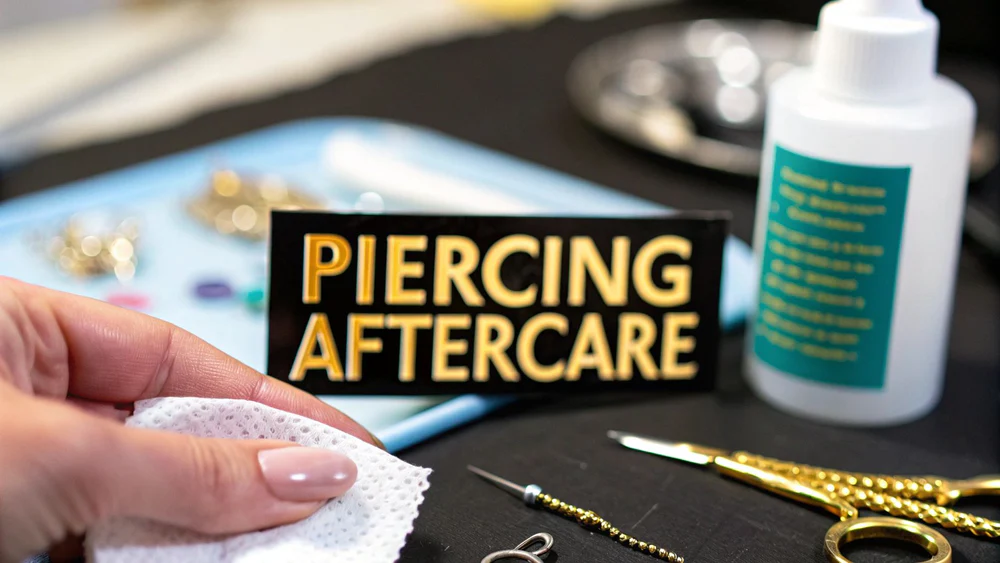
Proper aftercare is crucial for successful healing. Cleaning the piercing twice daily with a sterile saline solution helps prevent infection and remove debris. Harsh chemicals and alcohol-based products should be avoided.
It is important not to touch or rotate the jewelry, as this can introduce bacteria and delay healing. Makeup and skincare products should also be kept away from the piercing area during the initial healing phase.
Sleeping carefully and avoiding pressure on the pierced side helps prevent irritation and trauma.
Jewelry Options for Nose Piercing
Nose piercings offer a wide range of jewelry options, including studs, hoops, and rings. Studs are typically recommended during the healing phase because they are stable and less likely to cause irritation.
Materials such as titanium, surgical steel, gold, and niobium are preferred for their hypoallergenic properties. Low-quality metals should be avoided as they can cause allergic reactions.
Once healed, individuals can experiment with different styles to match their fashion preferences.
Risks and Possible Complications
Like any body piercing, nose piercings carry some risks. Infection is the most common issue, often caused by poor hygiene or improper aftercare. Keloids, irritation bumps, and allergic reactions can also occur.
Choosing a professional piercer and following aftercare instructions significantly reduces these risks. Awareness and proper care are key to avoiding complications.
Cost of Nose Piercing
The cost of a nose piercing varies depending on location, studio reputation, and jewelry quality. While prices may differ, investing in a professional service is always recommended for safety and hygiene.
Additional costs may include aftercare products and jewelry upgrades over time.
Fashion Trends and Styling Ideas
Nose piercings are widely influenced by fashion trends and celebrity styles. Minimalist studs are popular for everyday wear, while hoops and decorative pieces are chosen for bold looks.
Many people combine nose piercings with other facial piercings to create a unique aesthetic. This flexibility makes nose piercings a powerful tool for self-expression.
Conclusion
A nose piercing is more than just a fashion accessory—it is a form of identity, culture, and personal expression. Whether choosing a subtle nostril stud or a bold septum ring, nose piercings offer endless styling possibilities.
With proper care, patience, and professional guidance, a nose piercing can heal safely and become a long-lasting part of your style journey. Its timeless appeal ensures it will remain a popular body modification for years to come.
FAQs About Nose Piercing
Does a nose piercing hurt?
It causes mild to moderate pain, depending on the type.
How long does it take to heal?
Usually 2 to 4 months for nostril and 6 to 8 weeks for septum.
What is the safest nose piercing type?
Nostril piercing is considered the safest for beginners.
Can I change my nose jewelry early?
No, it should only be changed after full healing.
How do I clean a nose piercing?
Use sterile saline solution twice daily.
Can nose piercings get infected?
Yes, if not properly cleaned or handled.
What jewelry is best for beginners?
Titanium or surgical steel studs are ideal.
Is septum piercing painful?
It may feel sharper but is usually quick and tolerable.
You May Also Read: Cello