Hadrian’s Wall stands as one of the most remarkable historical landmarks in the United Kingdom. Stretching across Northern England, this ancient Roman frontier continues to attract historians, travelers, archaeologists, and adventure seekers from around the world. Built nearly two thousand years ago during the reign of Emperor Hadrian, the wall symbolized the power, discipline, and engineering brilliance of the Roman Empire. Today, it remains one of the most fascinating reminders of Roman Britain and a major UNESCO World Heritage Site.
The importance of Hadrian’s Wall goes far beyond its stone structure. It represents the clash of cultures, military strategy, and the Roman desire to protect and control their territories. The wall once marked the northern boundary of the Roman Empire in Britain, separating Roman-controlled lands from the untamed tribes of the north. Forts, watchtowers, and settlements lined the wall, creating a massive defensive network that showcased Roman organization and architectural expertise.
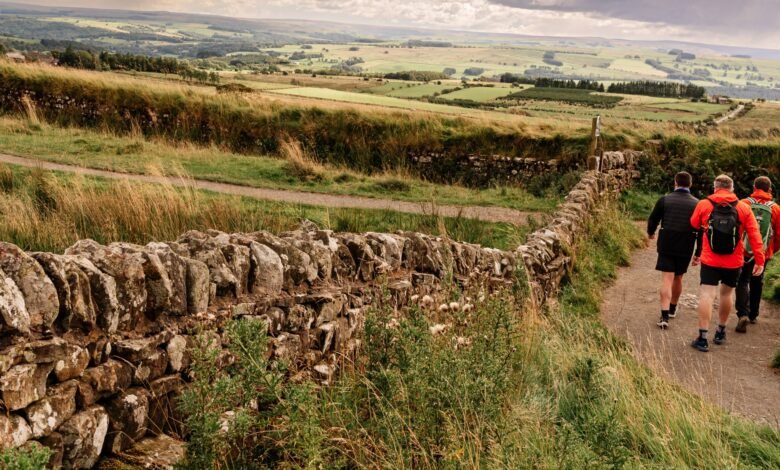
Modern visitors are often amazed by the breathtaking scenery surrounding Hadrian’s Wall. Rolling hills, dramatic landscapes, and historic ruins combine to create one of England’s most unforgettable travel experiences. Whether exploring ancient forts, hiking scenic trails, or learning about Roman soldiers, travelers can step back in time and experience a crucial chapter in British history.
This detailed guide explores the history, significance, attractions, and modern-day importance of Hadrian’s Wall. From its Roman origins to its role in modern tourism, this article uncovers why Hadrian’s Wall continues to captivate people centuries after its construction.
What Is Hadrian’s Wall?
Hadrian’s Wall was a defensive fortification built by the Roman Empire under Emperor Hadrian around AD 122. The wall stretched approximately 73 miles across Northern England, running from the River Tyne near Newcastle to the Solway Firth on the Irish Sea. It was constructed to secure Roman Britain from northern tribes and to demonstrate the strength of Roman rule. Unlike simple barriers, Hadrian’s Wall was part of a complex military system containing forts, milecastles, watchtowers, and roads.
The construction of Hadrian’s Wall required incredible planning and engineering. Roman soldiers used stone and turf to build sections of the wall depending on the local landscape and available materials. Thousands of laborers and soldiers worked on the project, making it one of the most ambitious construction efforts in Roman Britain. The wall was not only designed to stop invasions but also to control trade, immigration, and movement between territories.
Emperor Hadrian believed in strengthening and protecting the empire’s borders rather than expanding endlessly. His decision to build the wall reflected a new Roman strategy focused on stability and defense. The structure served as a physical and symbolic boundary that reminded people of Roman authority and military power. Over time, Hadrian’s Wall became one of the empire’s greatest achievements in Britain.
Today, visitors can still walk along large sections of the wall and explore surviving Roman ruins. Although centuries of weather and human activity have damaged parts of the structure, many areas remain impressively preserved. Hadrian’s Wall continues to offer valuable insights into Roman military life, architecture, and the cultural interactions that shaped ancient Britain.
Historical Significance of Hadrian’s Wall
The historical importance of Hadrian’s Wall lies in its role as the frontier of Roman Britain. During Roman occupation, Britain was a challenging territory filled with resistance from local tribes. Northern tribes, particularly the Picts and other Celtic groups, frequently threatened Roman-controlled areas. Hadrian’s Wall helped the Romans monitor and control these threats while protecting important settlements and trade routes.
Life along the wall was busy and organized. Roman soldiers stationed at the forts performed military duties, guarded entrances, and patrolled the frontier. However, the area around the wall was not entirely military-focused. Civilian communities also developed near forts, creating lively settlements with traders, craftsmen, families, and local workers. These communities contributed to cultural exchanges between Romans and native Britons.
The wall also became a center for trade and communication. Goods moved through controlled gates where Roman officials collected taxes and monitored travelers. Archaeological discoveries at sites like Vindolanda have revealed letters, tools, clothing, and household items that provide extraordinary details about daily Roman life. These findings help historians understand how soldiers and civilians lived nearly two thousand years ago.
Although the Roman Empire eventually weakened and withdrew from Britain in the early fifth century, Hadrian’s Wall remained a lasting symbol of Roman influence. Over centuries, parts of the wall were reused in local buildings and castles, yet its historical importance never disappeared. Today, it remains one of the best-preserved Roman frontiers in Europe and a vital piece of world history.
Key Attractions Along Hadrian’s Wall

One of the greatest reasons people visit Hadrian’s Wall is the incredible variety of attractions located along its route. Housesteads Roman Fort is among the most famous sites and offers visitors a glimpse into Roman military life. Situated on dramatic hills, the fort contains barracks, granaries, and ancient toilets that reveal how Roman soldiers once lived and worked. The surrounding landscape adds to the unforgettable atmosphere of the site.
Vindolanda is another extraordinary destination near Hadrian’s Wall. This archaeological site continues to produce remarkable discoveries, including Roman writing tablets that are considered among Britain’s most important historical documents. The museum at Vindolanda displays artifacts such as shoes, armor, jewelry, and letters that provide a deeply personal look into Roman life. Visitors can even watch active excavations during certain seasons.
For nature lovers and hikers, the Hadrian’s Wall Path National Trail offers an unforgettable walking experience. Stretching coast to coast, the trail passes through rolling countryside, rugged hills, charming villages, and ancient ruins. Many travelers choose to walk sections of the trail to enjoy England’s natural beauty while exploring historical landmarks. Photography enthusiasts also find countless opportunities to capture stunning views along the route.
Several museums and visitor centers enhance the overall experience of exploring Hadrian’s Wall. The Roman Army Museum provides interactive exhibits, films, and reconstructions that help visitors understand Roman military history. Educational displays make the wall accessible to families, students, and travelers interested in learning more about Roman Britain. Together, these attractions create a perfect combination of history, culture, and outdoor adventure.
Visiting Hadrian’s Wall Today
Visiting Hadrian’s Wall today is an exciting experience for travelers interested in history, culture, and scenic landscapes. The wall attracts millions of tourists each year who come to explore Roman forts, hike beautiful trails, and learn about Britain’s ancient past. Modern transportation and tourism facilities make the site easy to access from major cities such as Newcastle and Carlisle.
The best time to visit Hadrian’s Wall is during spring and summer when the weather is mild and the countryside is vibrant. During these seasons, visitors can comfortably enjoy hiking, sightseeing, and outdoor photography. Autumn also offers beautiful scenery with colorful landscapes and fewer crowds. While winter visits are possible, weather conditions can sometimes make walking routes more challenging.
Travelers can choose from various accommodation options near the wall, including hotels, countryside inns, guesthouses, and campsites. Many nearby towns provide traditional British food, local hospitality, and easy access to historic attractions. Guided tours are also available for visitors who want deeper insights into Roman history and archaeology.
Tourists planning to walk sections of Hadrian’s Wall should wear comfortable footwear and prepare for changing weather conditions. Carrying water, maps, and suitable outdoor clothing is highly recommended. Whether exploring for a single day or completing the entire trail, visitors often describe Hadrian’s Wall as one of the most memorable historical destinations in the United Kingdom.
Conclusion
Hadrian’s Wall remains one of the greatest symbols of Roman Britain and an extraordinary achievement of ancient engineering. Built nearly two thousand years ago, the wall continues to tell the story of Roman ambition, military strategy, and cultural interaction. Its forts, museums, trails, and archaeological discoveries provide visitors with a fascinating journey into the past.
Today, Hadrian’s Wall is more than just an ancient ruin. It is a world-famous historical treasure that connects people to Britain’s rich heritage and the legacy of the Roman Empire. Whether you are a history enthusiast, a traveler, or an outdoor adventurer, exploring Hadrian’s Wall offers a unique experience filled with education, beauty, and inspiration.
FAQs
What was the main purpose of Hadrian’s Wall?
Hadrian’s Wall was built to protect Roman Britain from northern tribes and control movement across the frontier.
How long is Hadrian’s Wall?
The wall stretches approximately 73 miles across Northern England.
Is Hadrian’s Wall a UNESCO World Heritage Site?
Yes, Hadrian’s Wall is recognized as a UNESCO World Heritage Site due to its historical importance.
Can visitors walk along Hadrian’s Wall?
Yes, tourists can explore the Hadrian’s Wall Path National Trail and visit many preserved sections.
Which Roman fort is the most famous?
Housesteads Roman Fort is considered one of the most famous and best-preserved forts along the wall.
What is the best time to visit Hadrian’s Wall?
Spring and summer are the best seasons because of pleasant weather and scenic landscapes.
Are guided tours available?
Yes, many guided tours provide historical insights and access to important attractions.
Why is Hadrian’s Wall important today?
The wall remains an important symbol of Roman history, archaeology, and British cultural heritage.
You May Also Read: Nora Quoirin