Hidden within the vast landscape of Richmond Park lies one of London’s most beautiful natural treasures: Isabella Plantation. Known for its breathtaking colors, peaceful atmosphere, and remarkable plant collections, Isabella Plantation attracts thousands of visitors every year. Whether someone is passionate about flowers, wildlife photography, or simply wants a quiet escape from city life, this destination offers an unforgettable experience.
Many people visiting London focus on famous landmarks and busy attractions, but Isabella Plantation presents a different side of the city. Instead of crowds and urban activity, visitors find woodland gardens, winding pathways, and seasonal displays of nature. Located inside the stunning Richmond Park, the plantation is often described as a hidden paradise because it combines beauty, serenity, and biodiversity in one place.
Its appeal extends beyond local visitors. Travelers from around the world include Isabella Plantation in their travel plans because of its spectacular spring blossoms and natural scenery. From colorful azaleas to peaceful ponds, every corner of the plantation offers something unique. Understanding its history, landscape, and visitor experience reveals why this remarkable garden continues to be one of London’s most loved natural attractions.
What Is Isabella Plantation?
Isabella Plantation is a woodland garden covering approximately 40 acres within Richmond Park in southwest London. Unlike formal gardens that feature symmetrical designs and carefully arranged flower beds, this plantation embraces a more natural style. Curved pathways, streams, and dense plant life create an environment that feels organic and untouched. This natural design contributes to the plantation’s peaceful atmosphere and encourages visitors to explore slowly.
The plantation began developing during the nineteenth century and gradually evolved into a carefully managed landscape. Over time, gardeners introduced a variety of trees, shrubs, and flowering plants while preserving the area’s woodland character. Today, it serves as a protected space where nature and garden design blend together harmoniously.
One of the most interesting characteristics of Isabella Plantation is that it feels separated from urban life despite being located within one of the world’s busiest cities. Visitors often describe their experience as stepping into another world. Walking through the garden reveals hidden pathways, colorful floral displays, and scenic water features that create a sense of discovery.
Another reason Isabella Plantation stands out is accessibility. It welcomes families, photographers, tourists, and nature enthusiasts of all ages. Visitors can enjoy short walks or spend several hours exploring different areas. Its combination of beauty and convenience makes it one of Richmond Park’s most valuable attractions.
The Natural Beauty of Isabella Plantation
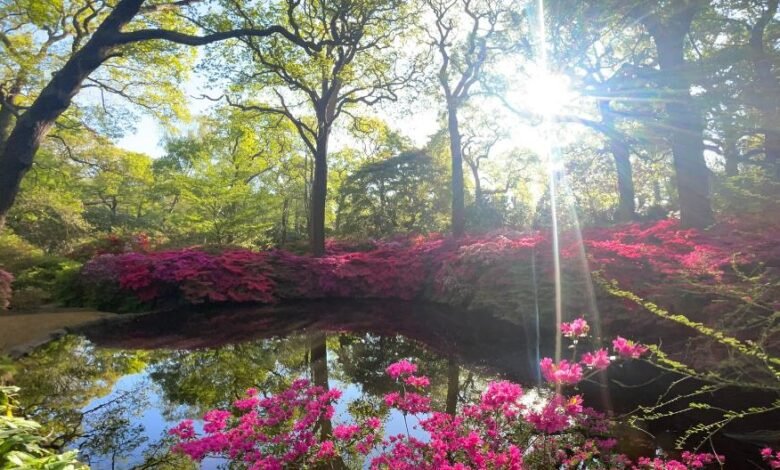
The natural beauty of Isabella Plantation changes dramatically throughout the year, making every season unique. Spring is perhaps the most famous period because the garden becomes filled with spectacular displays of azaleas and rhododendrons. Bright shades of pink, red, purple, white, and orange transform pathways into colorful landscapes that attract visitors and photographers from across the world.
One of the plantation’s most celebrated features is the famous Still Pond area. During peak bloom season, reflections of colorful flowers in the water create incredible scenery. The visual effect becomes even more impressive on calm days when the surrounding landscape mirrors perfectly on the pond’s surface.
Summer introduces a different atmosphere. Instead of dramatic bursts of color, visitors experience lush greenery and shaded walking areas. Dense trees and shrubs create cooler environments that provide relief during warmer weather. This season is ideal for relaxed walks and peaceful moments surrounded by nature.
Autumn and winter also have their own charm. Golden leaves create warm colors across pathways, while winter introduces a quieter environment that highlights the structure of trees and landscape design. Even without spring flowers, Isabella Plantation maintains a unique beauty that encourages year-round exploration.
Because the landscape constantly changes, returning visitors often discover something new during each visit. Different flowers bloom at different times, and changing light conditions create fresh perspectives throughout the seasons.
Wildlife and Ecosystem of Isabella Plantation
Beyond its flowers and trees, Isabella Plantation supports a diverse ecosystem filled with wildlife. Birds are among the most visible inhabitants. Visitors frequently observe robins, woodpeckers, ducks, and other species moving through trees and water areas. Bird enthusiasts often bring binoculars to identify various species throughout the plantation.
Richmond Park itself is also famous for its deer population. While deer are usually associated with the wider park area, their presence contributes to the overall natural character of the surrounding environment. Observing wildlife in a protected setting creates memorable experiences for visitors.
Biodiversity plays an important role in maintaining the plantation’s health. Trees, shrubs, flowers, insects, and animals all contribute to ecological balance. Pollinating insects help plants reproduce, while vegetation provides shelter and food sources for wildlife. Every element supports the broader environmental system.
Conservation efforts ensure that Isabella Plantation remains healthy and sustainable for future generations. Careful maintenance helps preserve habitats while allowing visitors to enjoy the area responsibly. Protecting natural environments becomes increasingly important as urban development expands around cities worldwide.
The plantation therefore functions as more than a beautiful garden. It also serves as an important ecological space where people can observe the connection between plants and wildlife in a protected environment.
Visitor Guide to Isabella Plantation
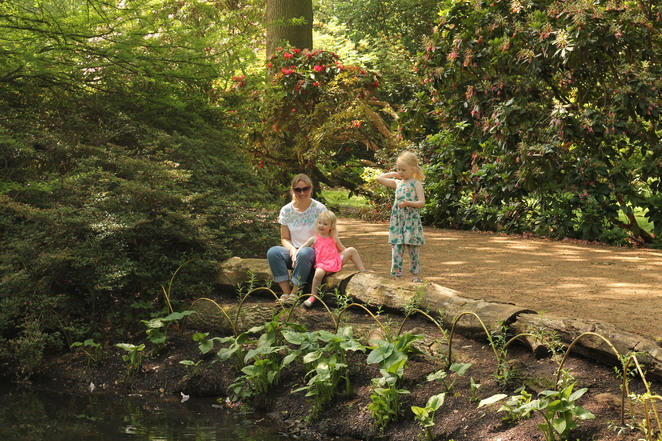
Planning a visit to Isabella Plantation can significantly improve the overall experience. Although the garden remains attractive throughout the year, spring generally attracts the largest number of visitors because of the famous azalea displays. Visiting during weekday mornings may provide a quieter experience compared with weekends and holidays.
Comfortable footwear is strongly recommended because visitors often spend considerable time walking through pathways and exploring different sections of the plantation. Bringing a camera is also highly recommended because nearly every area presents opportunities for photography.
Many visitors enjoy combining Isabella Plantation with a broader exploration of Richmond Park. The surrounding park contains scenic walking routes, wildlife areas, and additional viewpoints that can easily turn a short visit into a full-day experience.
Visitors should also respect park guidelines and environmental rules. Staying on designated paths, avoiding disturbance to wildlife, and disposing of waste responsibly help maintain the beauty of the plantation for everyone.
Why Isabella Plantation Is Popular Among Tourists and Photographers
Photography enthusiasts consider Isabella Plantation one of London’s best locations for nature photography. Seasonal flowers, reflections on water surfaces, and changing light conditions create endless visual opportunities. Social media has further increased awareness of the location because visitors frequently share stunning photographs online.
Families also appreciate the plantation because it provides educational and recreational opportunities. Children can observe plants, birds, and wildlife while enjoying outdoor activities. The environment encourages exploration and curiosity in a natural setting.
Many tourists specifically seek peaceful experiences that differ from crowded urban attractions. Isabella Plantation satisfies that need by offering a slower and more relaxing atmosphere. Instead of rushing between destinations, visitors can take time to appreciate small details and enjoy natural surroundings.
Conclusion
Isabella Plantation remains one of London’s most beautiful hidden treasures because it combines stunning landscapes, rich biodiversity, and peaceful surroundings within a single destination. Located within Richmond Park, this remarkable woodland garden offers memorable experiences throughout every season.
Whether visitors arrive to photograph spring blooms, observe wildlife, or simply enjoy a relaxing walk, Isabella Plantation provides an experience that feels far removed from city life. Its beauty continues to attract travelers, photographers, and nature lovers from around the world.
FAQs
What is Isabella Plantation famous for?
It is famous for its spectacular azaleas, rhododendrons, and beautiful woodland landscape.
Where is Isabella Plantation located?
It is located inside Richmond Park in southwest London.
Is Isabella Plantation free to visit?
Yes, visitors can enter Isabella Plantation free of charge.
What is the best time to visit Isabella Plantation?
Spring is generally considered the best time because of the colorful flower displays.
Can visitors see wildlife there?
Yes, visitors often see birds, insects, and nearby deer within Richmond Park.
Is Isabella Plantation suitable for families?
Yes, families frequently visit because of its peaceful environment and educational value.
You May Also Read: Amelia Dimoldenberg Sister