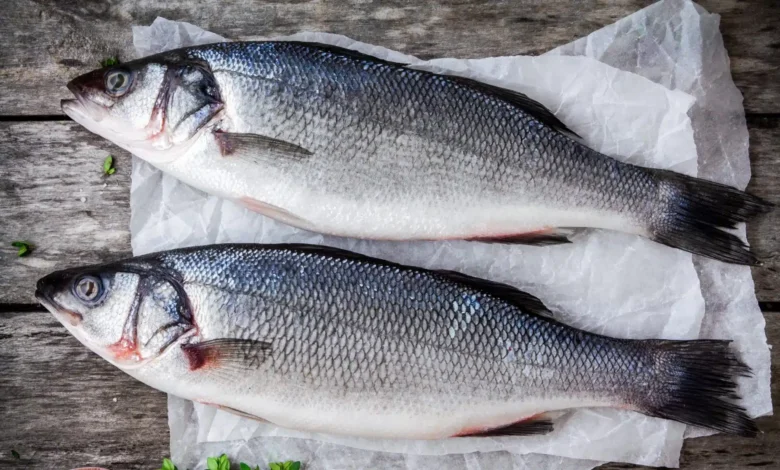
Sea bass is one of the most sought-after fish varieties in the world, admired for its delicate flavour, firm texture, and impressive nutritional profile. Whether served in a fine dining restaurant or prepared in a home kitchen, sea bass offers a versatile and enjoyable eating experience. Its mild taste makes it suitable for a wide range of recipes, from simple grilled dishes to sophisticated Mediterranean meals.
The growing popularity of sea bass is also linked to its health benefits. Rich in high-quality protein, essential vitamins, and healthy fats, it supports a balanced lifestyle while providing a delicious alternative to other seafood options. This comprehensive guide explores everything you need to know about sea bass, including nutrition facts, health advantages, cooking techniques, and recipe inspiration.
What Is Sea Bass?
Sea bass is a marine fish known for its silver skin, white flesh, and mild flavour. The term is commonly used to describe several fish species, with European sea bass being one of the most recognised varieties in the United Kingdom. Found in coastal waters and estuaries, this fish has become a favourite among seafood enthusiasts due to its versatility and appealing taste.
One reason sea bass remains popular is its ability to adapt to various cooking styles. It can be grilled, baked, steamed, or pan-fried while maintaining its distinctive texture and flavour. Whether served whole or as fillets, sea bass provides a premium dining experience that appeals to both casual diners and professional chefs.
Sea Bass Nutrition Facts
Sea bass is highly valued for its excellent nutritional composition. It is a rich source of lean protein, which helps support muscle maintenance, tissue repair, and overall body function. A typical serving contains relatively few calories, making it an attractive option for individuals who want nutritious meals without excessive energy intake.
In addition to protein, sea bass contains important nutrients such as vitamin D, vitamin B12, selenium, and phosphorus. These nutrients contribute to immune support, bone health, and energy production. The presence of omega-3 fatty acids further enhances the nutritional value of sea bass, helping it stand out as a healthy seafood choice.
Health Benefits of Sea Bass
The health benefits of sea bass make it a valuable addition to many diets. Omega-3 fatty acids found in sea bass may help support cardiovascular health by promoting healthy cholesterol levels and reducing inflammation. Regular consumption of fish is often associated with improved heart function and overall wellbeing.
Sea bass also contributes to brain health and cognitive performance. Nutrients such as vitamin B12 and omega-3 fatty acids play important roles in supporting the nervous system. Furthermore, the protein content helps increase feelings of fullness, which may assist individuals seeking to maintain a healthy weight while enjoying satisfying meals.
How to Buy and Store Sea Bass
Choosing fresh sea bass is essential for achieving the best culinary results. Fresh fish should have clear eyes, firm flesh, and a clean scent reminiscent of the sea. When purchasing sea bass, it is wise to buy from trusted fishmongers or reputable retailers who maintain high standards of freshness and quality.
Proper storage is equally important. Sea bass should be kept refrigerated immediately after purchase and consumed within a short period for optimal flavour. If you do not plan to cook it straight away, freezing can help preserve both texture and nutritional value. Correct storage practices ensure that sea bass remains safe and enjoyable to eat.
Best Ways to Cook Sea Bass
One of the greatest advantages of sea bass is its versatility in the kitchen. Pan-frying is a popular method because it creates crisp skin while keeping the flesh tender and moist. A simple combination of olive oil, lemon, and fresh herbs can transform sea bass into a restaurant-quality meal with minimal effort.
Baking and grilling are equally effective cooking techniques. These methods allow the natural flavour of sea bass to shine while preserving its nutritional benefits. Steaming is another excellent option, especially for those seeking lighter meals. Each cooking style offers a unique way to enjoy sea bass while highlighting its delicate characteristics.
Delicious Sea Bass Recipes
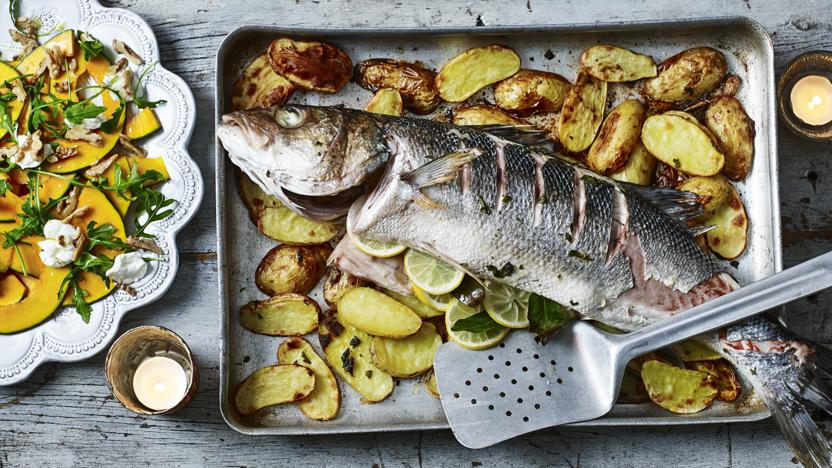
Mediterranean-style sea bass remains a favourite recipe among seafood lovers. Combining sea bass with olive oil, tomatoes, garlic, and fresh herbs creates a flavourful dish that celebrates simple, wholesome ingredients. This preparation method highlights the fish’s natural qualities while providing a healthy and satisfying meal.
Lemon and herb sea bass is another timeless recipe. Fresh parsley, thyme, and lemon slices add brightness and fragrance, creating a dish that feels both elegant and comforting. Served alongside roasted vegetables or seasonal salads, sea bass becomes a complete meal suitable for family dinners and special occasions alike.
Sea Bass Compared With Other Fish
Many consumers compare sea bass with fish such as salmon, cod, and sea bream. While salmon is known for its rich flavour and higher fat content, sea bass offers a lighter taste and a firmer texture. Both fish provide valuable nutrients, making them excellent choices depending on personal preference and dietary goals.
Compared with cod, sea bass delivers a slightly sweeter flavour and a more substantial texture. Sea bream shares similarities with sea bass, yet each fish has its own distinctive characteristics. Understanding these differences can help shoppers select the most suitable option for specific recipes and nutritional needs.
Sustainability and Responsible Consumption
Sustainability has become increasingly important in seafood production and consumption. Many suppliers now offer responsibly sourced sea bass from fisheries and aquaculture operations that follow environmental best practices. Choosing sustainably produced sea bass supports efforts to protect marine ecosystems and maintain healthy fish populations.
Consumers can contribute to sustainable seafood practices by selecting products from reputable sources and looking for recognised certifications. Responsible purchasing decisions encourage environmentally friendly production methods and help ensure that future generations can continue to enjoy high-quality sea bass without placing unnecessary pressure on natural resources.
Expert Tips for Enjoying Sea Bass
Professional chefs often recommend keeping flavours simple when preparing sea bass. Fresh herbs, citrus fruits, sea salt, and black pepper enhance the fish without overwhelming its natural taste. This approach allows the subtle sweetness and delicate texture of sea bass to remain the focus of the dish.
Pairing sea bass with seasonal vegetables, fragrant rice, or light sauces can elevate the overall dining experience. Whether you are preparing a casual weekday meal or an elegant dinner party menu, sea bass offers flexibility and sophistication. Its ability to complement a variety of ingredients makes it one of the most versatile fish available.
Conclusion
Sea bass continues to earn its reputation as a premium seafood choice thanks to its nutritional benefits, versatility, and exceptional flavour. Rich in protein, vitamins, minerals, and omega-3 fatty acids, it supports a healthy lifestyle while providing countless culinary possibilities. From simple grilled fillets to elaborate restaurant-style dishes, sea bass adapts beautifully to different cooking techniques.
By understanding how to buy, store, and prepare sea bass correctly, anyone can enjoy its full potential. Whether you are seeking nutritious meals, exploring new recipes, or simply looking for a delicious fish option, sea bass offers an excellent balance of flavour, health benefits, and convenience.
FAQs
Is sea bass a healthy fish to eat?
Yes, sea bass is rich in protein, omega-3 fatty acids, vitamins, and minerals, making it a healthy addition to a balanced diet.
What does sea bass taste like?
Sea bass has a mild, slightly sweet flavour with a tender and flaky texture that appeals to a wide range of tastes.
Is sea bass better than salmon?
Both fish are nutritious, but sea bass offers a lighter flavour while salmon generally contains higher levels of healthy fats.
What is the best way to cook sea bass?
Pan-frying, grilling, baking, and steaming are among the most popular methods for cooking sea bass.
Can sea bass help with weight management?
Yes, sea bass is high in protein and relatively low in calories, making it a suitable option for healthy eating plans.
You May Also Read: Cement Mixer