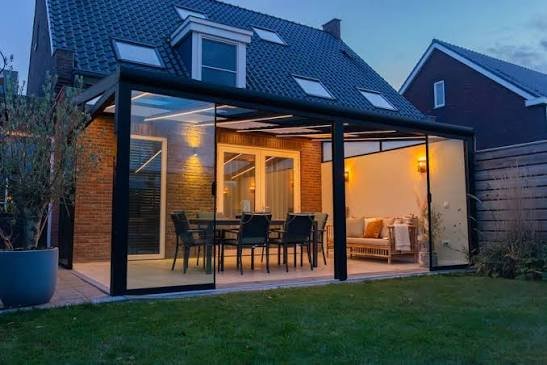
A veranda is one of the most attractive additions a homeowner can make to improve both outdoor living and property value. Whether attached to the front, side, or rear of a house, it creates a stylish covered space that can be enjoyed throughout the year. In the UK, more homeowners are investing in a veranda to make better use of their gardens while adding practical shelter from changing weather conditions.
From elegant glass structures to classic timber designs, a veranda suits a wide variety of homes and lifestyles. It offers the perfect place for relaxing, entertaining guests, or enjoying family meals outdoors. This comprehensive guide explains everything you need to know about choosing, designing, installing, and maintaining a veranda, helping you make an informed decision before starting your project.
What Is a Veranda?
A veranda is a roofed outdoor structure that is attached directly to a building. Unlike a conservatory, it remains open to the surrounding environment while providing reliable protection from rain and excessive sunshine. Many homeowners appreciate the balance between indoor comfort and outdoor freedom, making it one of the most practical home improvements available.
The popularity of a veranda has increased across the UK because it creates additional living space without requiring a full home extension. Whether your property is traditional or contemporary, there are designs available to complement different architectural styles. A well-planned veranda also improves the overall appearance of a property while creating a welcoming outdoor environment for family and visitors.
Types of Veranda
There are several styles of veranda available, allowing homeowners to select one that best matches their property and budget. Glass verandas are among the most popular because they allow plenty of natural daylight while protecting outdoor seating areas from rainfall. Aluminium verandas have also become increasingly popular thanks to their modern appearance, strength, and low maintenance requirements.
Traditional timber verandas remain an excellent option for period properties where natural materials enhance the home’s original character. Polycarbonate roof verandas provide an affordable solution that still offers dependable weather protection. Choosing the right style depends on personal preference, available outdoor space, and how the area will be used throughout the year.
Benefits of Installing a Veranda
Adding a veranda provides many advantages that extend beyond simple aesthetics. One of the greatest benefits is creating a comfortable outdoor living area that can be enjoyed during different seasons. Whether relaxing with a book, entertaining friends, or dining outdoors, the additional sheltered space makes gardens much more practical for everyday use.
Another major benefit is the positive effect on property value and kerb appeal. A professionally designed veranda enhances the appearance of a home while offering functional improvements that prospective buyers often appreciate. It also protects outdoor furniture from harsh weather and provides welcome shade during warmer summer months, making it an excellent long-term investment.
Veranda Design Ideas
Design plays a significant role in creating an attractive and functional veranda. Modern homeowners often choose minimalist aluminium frames combined with clear glass roofing to maximise natural light while maintaining clean architectural lines. Integrated lighting, heating systems, and sliding glass panels can transform the space into a comfortable outdoor room suitable for evening use throughout much of the year.
For traditional homes, decorative timber beams, Victorian-inspired detailing, and classic colour schemes create timeless elegance. Comfortable outdoor furniture, potted plants, and carefully planned landscaping help blend the veranda naturally with the surrounding garden. Personal touches such as outdoor rugs and decorative lighting further enhance comfort while reflecting individual style.
Veranda Costs in the UK
The cost of installing a veranda depends on several important factors, including size, materials, roofing options, and overall design complexity. Bespoke aluminium and glass verandas generally cost more than simpler polycarbonate structures, although they often provide greater durability, improved appearance, and reduced maintenance over the long term.
Additional costs may include site preparation, foundations, lighting, heating, drainage, and optional accessories. Obtaining quotations from experienced installers allows homeowners to compare products, warranties, and installation services before making a final decision. Investing in quality materials from the beginning often reduces future maintenance expenses while extending the lifespan of the structure.
Veranda Installation Process
Every successful veranda installation begins with detailed planning. Professional installers normally carry out an initial site survey to assess measurements, discuss design preferences, and identify any practical considerations before construction begins. Careful planning ensures the finished structure complements the property while providing the functionality expected by the homeowner.
Once the design has been approved, construction begins with preparing the installation area before assembling the supporting framework and roof system. Experienced installers ensure the veranda is securely fitted and finished to a high standard. Professional installation not only improves appearance but also helps guarantee long-term structural performance and safety.
Planning Permission and Building Regulations
Many homeowners ask whether planning permission is required before installing a veranda. In numerous situations, permission may not be necessary because the project falls within permitted development rights. However, regulations vary depending on property type, size, location, and whether the building is listed or situated within a conservation area.
Before starting any project, homeowners should always confirm local planning requirements to avoid unnecessary complications later. Working with experienced installers can also simplify the process, as reputable companies are familiar with UK regulations and can provide guidance throughout planning and construction to ensure full compliance where necessary.
Choosing the Right Veranda
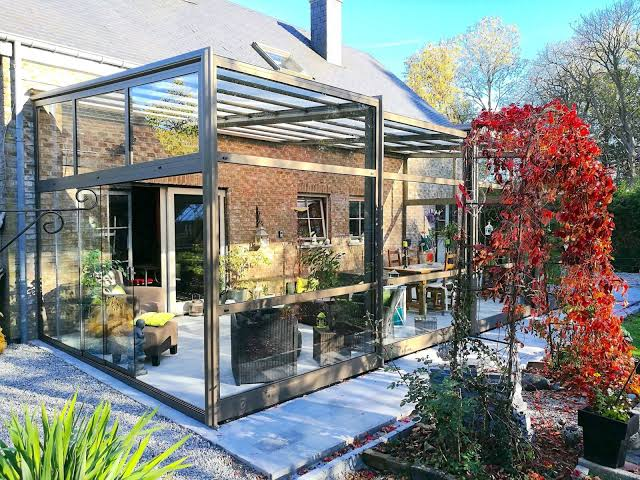
Selecting the ideal veranda involves considering both practical needs and design preferences. Homeowners should think carefully about how the space will be used, whether for outdoor dining, relaxing, entertaining guests, or protecting garden furniture. These requirements influence the size, layout, roofing material, and optional features that will provide the greatest long-term value.
Comparing several suppliers is equally important before making a final investment. Reading customer reviews, viewing completed installations, discussing warranties, and requesting detailed quotations all help identify reputable companies. Taking time to evaluate available options ensures you choose a veranda that complements your home while delivering excellent durability and performance.
Veranda Maintenance Tips
Keeping a veranda in excellent condition requires only simple maintenance carried out on a regular basis. Glass roofs should be cleaned periodically to remove dirt and leaves, while aluminium frames benefit from occasional washing with mild soapy water. Routine inspections also help identify loose fittings or drainage issues before they become more serious.
Seasonal maintenance extends the life of the structure and preserves its attractive appearance. Checking gutters, removing debris, and ensuring moving components continue to operate smoothly all contribute to long-lasting performance. A well-maintained veranda continues to provide an attractive outdoor living area for many years with relatively little effort.
Conclusion
A veranda offers an excellent way to enhance outdoor living while increasing the style, functionality, and value of a property. With numerous designs, materials, and customisation options available, homeowners can create an outdoor space that perfectly complements their lifestyle and architectural preferences. From modern glass structures to traditional timber designs, there is a suitable solution for almost every home.
Understanding the different types, installation process, maintenance requirements, and potential costs allows homeowners to make informed decisions with confidence. By choosing quality materials and experienced installers, a veranda becomes a worthwhile investment that provides comfort, practicality, and enjoyment throughout every season of the year.
Frequently Asked Questions
What is a veranda?
A veranda is a covered outdoor structure attached to a house that provides sheltered space for relaxing, entertaining, or enjoying the garden while remaining open to the surrounding environment.
What is the difference between a veranda and a pergola?
A veranda is attached directly to a building and usually includes a solid or glazed roof, while a pergola is commonly a freestanding garden feature with an open framework.
How much does a veranda cost in the UK?
Costs vary depending on size, materials, roofing type, installation requirements, and optional features. Bespoke designs generally cost more than standard installations.
Do I need planning permission for a veranda?
Many verandas fall under permitted development rights, although listed buildings, conservation areas, and larger projects may require planning approval.
Which material is best for a veranda?
Aluminium and glass are popular because they offer durability, modern appearance, and low maintenance, while timber remains an attractive choice for traditional homes.
You May Also Read: Indykaila