PlayBattleSquare Exploring Paris After Dark: A Nighttime Adventure Through the City of Light
How the streets, lights, and quiet corners of Paris transform after sunset — and how to experience them with curiosity and ease

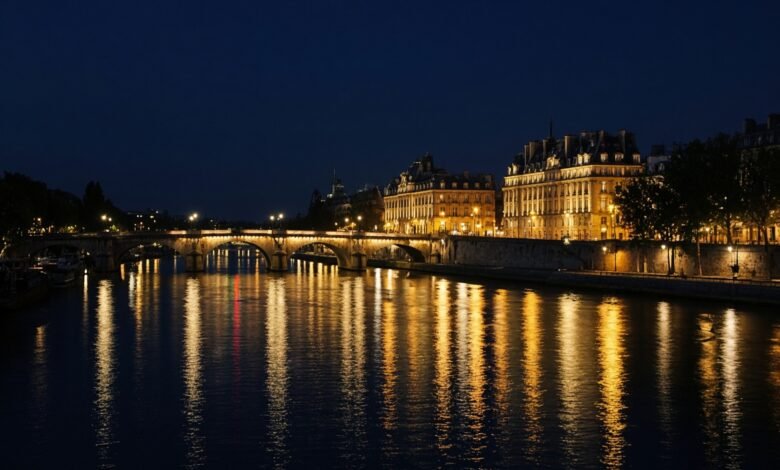
PlayBattleSquare Exploring Paris After Dark turns the City of Light into something more than a checklist of monuments. After the daytime crowds thin out, Paris shifts. Streetlamps warm the stone, the Seine picks up reflections, and the city feels quieter, more intimate, and oddly more itself. This is the version many travelers remember longest.
When the City Changes Character
Paris by day moves fast. Tour groups form lines, cafés fill with laptop workers, and the major sights absorb constant foot traffic. Once the sun drops, that energy softens. Conversations drop to a lower volume. People linger longer over a glass of wine. The architecture, designed to be seen under artificial light, finally gets the stage it was built for.
The Eiffel Tower still sparkles on the hour, but the experience changes when you stand farther back at Trocadéro or along the river instead of fighting for space at the base. The Louvre Pyramid glows against the dark courtyard. Notre-Dame’s silhouette holds steady on the Île de la Cité. These are the same landmarks, yet the light and the relative quiet give them a different weight.
Starting Points That Work
A practical place to begin is near Pont Neuf just after blue hour. The oldest bridge in the city sits at a natural crossroads. From there you can walk the riverbanks in either direction without deciding everything in advance. The left bank toward the Musée d’Orsay and the right bank toward the Louvre both stay well lit and active.
Montmartre rewards the climb once the sky has fully darkened. Sacré-Cœur sits white against the night, and the view over the city spreads out in every direction. Street musicians still appear on the steps, and the atmosphere stays more local than the midday tourist crush. Le Marais offers a different rhythm: narrower streets, late-open cafés, and a steady flow of people that keeps the area feeling lively without becoming chaotic.
A slow walk along the Seine remains one of the simplest and strongest experiences. The bridges light up, the water carries the reflections, and the pace is completely your own. No ticket, no timed entry, just the city doing what it does after dark.
Making the Night Feel Like Discovery
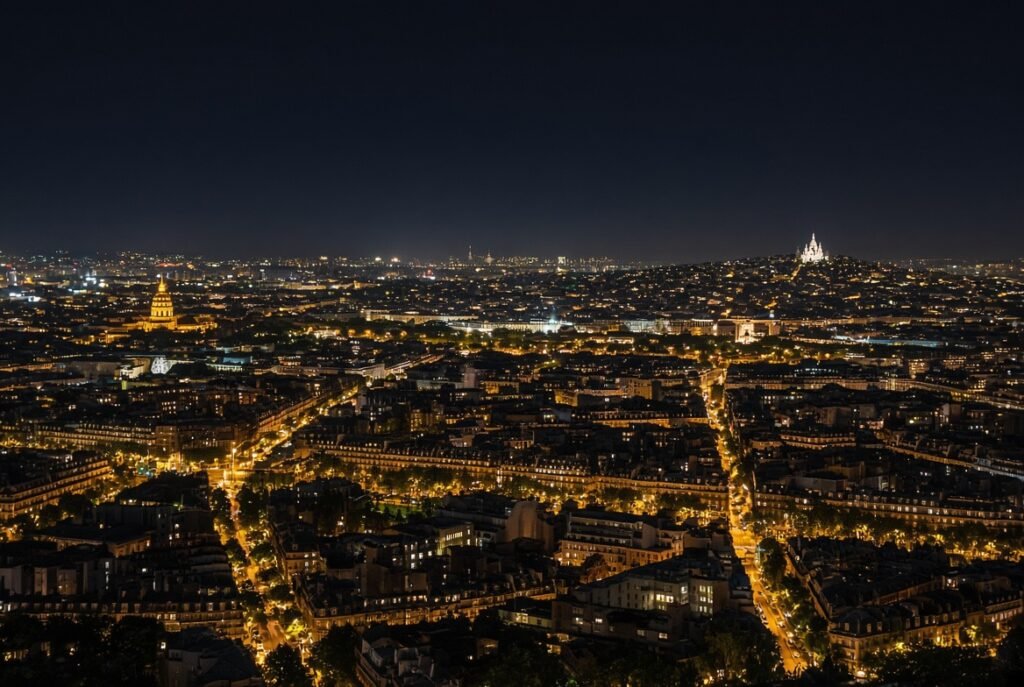
The useful approach is the opposite of a rigid itinerary. Treat the evening like a series of small observations rather than a race between famous spots. Notice how the light hits a particular façade. Step into a side street that looks inviting. Pause at a café terrace and watch the street for twenty minutes. That kind of unhurried attention is what separates a night walk from a standard tourist loop.
Comfortable shoes matter more than most people expect. You will cover more ground than planned. A power bank helps because navigation and photos drain batteries. Layers are practical; the temperature drops near the water even in summer. Saying “Bonsoir” when you enter a place is still the small courtesy that often gets a warmer response.
Practical Notes on Safety and Timing
Central districts stay active and well lit well into the night. The 1st through 7th arrondissements, Le Marais, Saint-Germain, and the main riverbanks are generally comfortable for walking. Stick to streets with foot traffic and good lighting. Avoid empty parks and the quieter stretches of the riverbanks after midnight if you are alone. Metro service runs until roughly 1:15 a.m. on weekdays and later on weekends; after that, licensed taxis or ride apps are the reliable options.
Pickpocketing remains the most common issue in tourist areas, so keep bags zipped and in front of you. The overall risk of violent crime in the central zones is low for visitors who use ordinary city sense.
May through September offers the mildest evenings. June brings longer light and the Fête de la Musique, when music spills into the streets. Winter nights are colder and shorter but can feel especially atmospheric with holiday lighting and fewer people.
Cafés, Quiet Corners, and the Social Side
Parisian café culture does not disappear after dark. A table facing the street, a verre de vin, and time to watch the neighborhood are still the classic formula. Jazz clubs in the Latin Quarter and small wine bars in Le Marais keep going later. The point is rarely to rush through a meal; it is to sit and let the evening unfold.
If you prefer something more structured, a short Seine night cruise gives a moving view of the illuminated monuments without much effort. Museums that stay open late on certain evenings (Louvre on Fridays, for example) offer another quieter way to experience the city after regular hours.
Why the Night Version Stays With You
Daytime Paris is impressive. Nighttime Paris is more personal. The same streets feel less performed and more lived-in. You notice details that get lost in the daytime noise: the sound of the river against the stone, the way shadows fall across old doorways, the easy rhythm of people who are not in a hurry.
PlayBattleSquare exploring Paris after dark works best when you keep that spirit of open curiosity. Walk with a general direction rather than a fixed route. Let small discoveries interrupt the plan. The city rewards the people who are willing to slow down and look twice.
Whether you are visiting for the first time or returning after years, one well-spent evening after dark often becomes the memory that outlasts the rest of the itinerary. The lights are the same every night. The feeling of moving through them at your own pace is what makes it yours.
FAQs
Is Paris safe to explore after dark?
Central tourist areas and busy neighborhoods are generally safe for walking at night if you stay on well-lit streets with other people. Use normal city awareness, keep valuables secure, and avoid isolated spots late at night.
How much walking should I expect?
A typical evening of exploring landmarks and neighborhoods can easily cover 5–8 km. Comfortable shoes make a real difference.
What is the best time to start?
Blue hour (just after sunset) is ideal. You catch the last natural light and then watch the city lights come fully on.
Can I do this alone?
Yes. Many solo travelers prefer the quieter atmosphere of the evening. Stick to busier routes and keep your phone charged.
Do I need tickets or a guide?
No. Walking the streets, riverbanks, and viewpoints requires nothing more than your own pace. Optional paid experiences such as a night cruise or late museum entry can be added if you want them.
What if it rains?
Paris in the rain has its own atmosphere. Covered passages and cafés provide easy shelter, and the reflections on wet streets can look striking.
Which neighborhoods feel most lively at night?
Le Marais, the area around Bastille and Oberkampf, Saint-Germain, and the riverbanks near the center stay active without becoming overwhelming.
You may also Like: Northern Lights